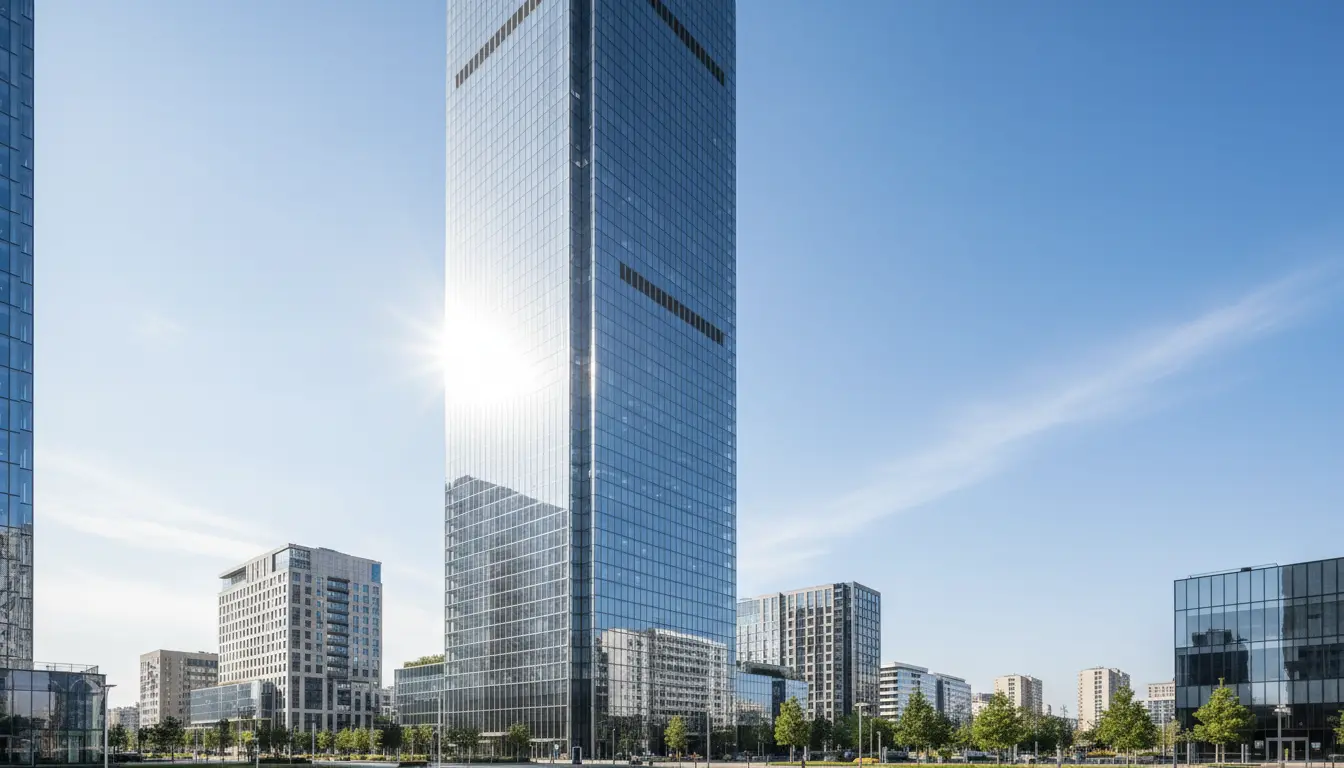

Transparent Solar Panels: How Windows Are Becoming Power Plants
Transparent solar panels are transforming the way we think about buildings, energy, and design. Instead of mounting bulky, opaque solar modules on rooftops, it is now possible to integrate energy‑generating glass directly into windows and facades. This innovation, often referred to as transparent photovoltaics or solar windows, has the potential to turn skyscrapers, office buildings, and even homes into large‑scale power plants without compromising aesthetics or natural daylight.
At the core of this technology are specialized materials and coatings that can harvest parts of the solar spectrum while allowing visible light to pass through. In a typical transparent solar panel, ultraviolet (UV) and infrared (IR) light are absorbed and converted into electricity, while most visible light is transmitted. This enables a pane of glass to look and function like a regular window while silently producing clean energy in the background.
What Are Transparent Solar Panels?
Transparent solar panels, also known as solar windows, are a type of photovoltaic technology designed to generate electricity while remaining see‑through. Unlike traditional silicon‑based panels, these solutions use organic photovoltaic (OPV) materials, perovskites, or specialized coatings that selectively absorb non‑visible wavelengths of light.
Because they allow natural daylight to pass through, transparent solar panels can replace conventional glass in windows, skylights, and facades. This makes them ideal for both retrofitting existing buildings and designing new high‑performance structures.
How Transparent Solar Panels Work
The working principle behind transparent solar panels is based on selective light absorption. Instead of capturing the entire solar spectrum, these panels are engineered to:
- Absorb ultraviolet (UV) and infrared (IR) light
- Transmit most of the visible light so the glass remains clear or lightly tinted
Once the UV and IR light are absorbed, photovoltaic materials convert that energy into electrical current. The electricity is then routed through thin, nearly invisible conductive lines at the edges of the glass and connected to inverters, battery storage, or the building’s electrical system.
While their efficiency is generally lower than traditional rooftop panels, transparent solar windows compensate by leveraging large vertical areas. On a high‑rise building with hundreds of square meters of glass, the total energy output can be substantial.
Benefits for Buildings and Cities
From a sustainability perspective, transparent solar panels offer a compelling solution, especially in dense urban environments. Cities have limited roof space but an abundance of glass surfaces. By using building‑integrated photovoltaics (BIPV) on facades and windows, developers can significantly increase on‑site renewable energy generation.
Key benefits include:
- Increased on‑site clean energy production: High‑rise buildings can cover a meaningful portion of their electricity demand.
- Reduced dependence on fossil fuels: On‑site solar power cuts carbon emissions and supports climate goals.
- Better use of vertical surfaces: Facades that were previously inactive now become energy‑producing assets.
This approach aligns perfectly with net‑zero energy building concepts, where structures are designed to produce as much energy as they consume over the course of a year.
Energy Efficiency and Thermal Performance
Transparent solar panels do more than generate power. They can also help control heat gain and loss, improving a building’s overall energy efficiency. By selectively blocking infrared radiation, solar windows can:
- Reduce cooling loads by limiting solar heat gain in summer
- Enhance comfort by minimizing glare and excessive brightness
- Contribute to better thermal insulation in combination with double or triple glazing
In colder climates, specialized coatings and glazing configurations can be used to balance light transmission, insulation, and heat retention. This dual functionality—electricity production plus enhanced thermal performance—supports compliance with strict energy codes and helps projects qualify for green certifications such as LEED or BREEAM.
Current Technologies and Materials
Several technologies are being explored and commercialized for transparent solar panels, including:
- Organic photovoltaic (OPV) windows: Use carbon‑based materials that can be tuned for transparency and color.
- Perovskite solar windows: Offer promising efficiency and can be deposited as thin films on glass.
- Luminescent solar concentrators (LSCs): Use dyes or quantum dots embedded in glass to guide absorbed light to the edges, where small solar cells convert it into electricity.
Each approach involves trade‑offs between transparency, efficiency, cost, and durability. While efficiencies are still lower than conventional rooftop modules, ongoing research is steadily closing the gap and improving long‑term performance.
Commercial and Residential Applications
Transparent solar panels are relevant for a wide range of building types:
- Commercial buildings and skyscrapers: Large glass facades make them prime candidates for solar windows, turning entire towers into vertical power plants.
- Retail and office spaces: BIPV glass can reinforce a brand’s sustainability image while lowering utility bills.
- Public buildings: Schools, hospitals, and government facilities can combine energy savings with educational and environmental benefits.
- Residential homes and apartments: Modern homes with large windows, balconies, and sunrooms can integrate solar glass where rooftop installations are difficult or restricted.
In architecturally sensitive or heritage areas, transparent solar panels offer an unobtrusive alternative to traditional solar panels that might be visually intrusive or prohibited.
Economic and Branding Advantages
For property owners and investors, transparent solar technology can deliver multiple layers of value:
- Lower energy costs through on‑site renewable generation
- Potential incentives and tax benefits tied to clean energy and green building programs
- Higher property value due to improved performance, modern aesthetics, and sustainability features
- Stronger ESG and sustainability branding, crucial for tenants, investors, and customers
Companies that adopt solar facades and windows signal a clear commitment to climate action. This can enhance reputation, attract eco‑conscious occupants, and differentiate properties in a competitive real estate market.
Challenges and Limitations
Despite its promise, transparent solar technology still faces several challenges:
- Higher upfront cost compared to standard glass and even some traditional solar solutions
- Lower efficiency than roof‑mounted crystalline silicon panels
- Durability concerns, particularly for some organic and perovskite materials exposed to sunlight and weather over many years
- Integration complexity, including wiring, power electronics, and compatibility with building envelopes and safety standards
Regulatory frameworks and building codes also need to evolve to address fire safety, structural integrity, and electrical requirements for solar windows, especially in high‑rise construction.
Future Outlook: Smart and Net‑Zero Buildings
Looking ahead, transparent solar panels are expected to play a major role in the development of smart, net‑zero, and positive‑energy buildings. As manufacturing scales up and material science advances, costs should decrease while efficiency and durability improve.
The combination of transparent solar windows with:
- Smart building energy management systems
- On‑site energy storage
- Electric vehicle charging
- Grid‑interactive features
will turn buildings into active participants in the energy system. Instead of passive energy consumers, they will generate, store, and optimize their own energy flows, alleviating pressure on the grid and promoting resilience.
Ultimately, transparent solar panels are more than a trending technology; they represent a new philosophy in how we integrate clean energy into everyday life. By making power generation almost invisible, they allow sustainability to blend seamlessly with modern architecture. As adoption grows, we can expect to see city skylines where every window not only lets in light but also quietly produces electricity.