
Atmospheric Water Generators – Drinking Water From Air
Access to clean, safe drinking water is becoming one of the most pressing challenges of our century. Population growth, climate change, industrial pollution and aging infrastructure are putting enormous pressure on traditional water resources. In this context, atmospheric water generators (AWGs) – devices that literally produce drinking water from the air – are emerging as an innovative and sustainable solution.
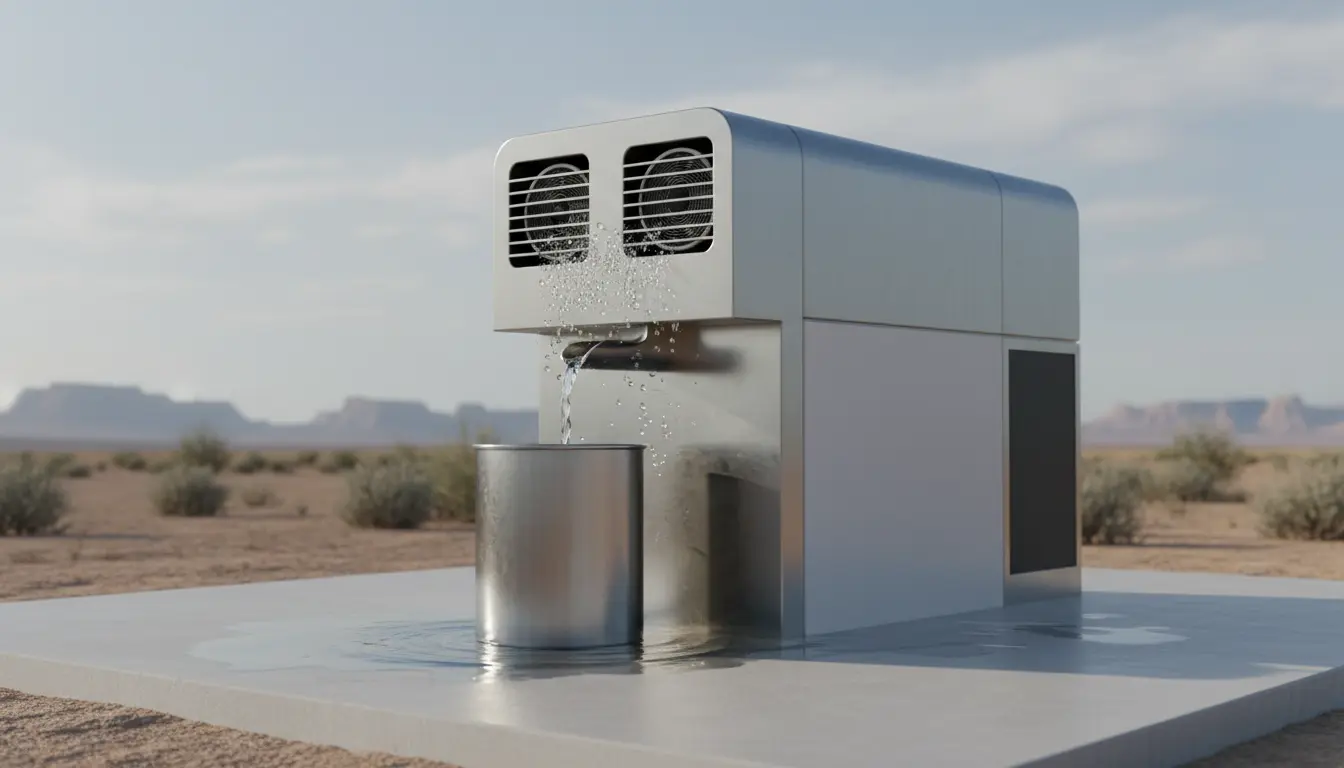
Atmospheric water generators are systems designed to extract moisture from the ambient air, condense it and purify it into high‑quality drinking water. Because the atmosphere contains vast quantities of water vapor, these devices can provide a decentralized, on‑demand water source almost anywhere on the planet with sufficient humidity.
How Atmospheric Water Generators Work
Although different manufacturers use different technologies, most atmospheric water generators follow the same basic process:
- Air intake and filtration
The device draws in ambient air through a fan system. Before the air reaches the core of the machine, it passes through one or more filters to remove dust, pollen and other airborne particles. - Condensation of water vapor
Inside the machine, the air is cooled below its dew point using a refrigeration cycle or desiccant‑based technology. When the air temperature drops sufficiently, the water vapor in the air condenses into liquid water droplets, similar to the way condensation forms on a cold glass on a humid day. - Collection and storage
The condensed water drips into a collection tray or tank made from food‑grade materials. From there, it is directed into a storage reservoir. - Multi‑stage purification
To ensure safety and quality, atmospheric water generators typically include several purification stages. These may include sediment filters, activated carbon filters, reverse osmosis membranes, UV sterilization and mineralization cartridges. The goal is to remove contaminants, kill microorganisms and balance the taste and mineral content of the water. - Dispensing fresh drinking water
Finally, the purified water is delivered through a tap or dispenser, ready to drink. Some systems can cool or heat the water, turning the device into a combined water purifier and dispenser.
Key Benefits of Atmospheric Water Generators
The appeal of atmospheric water generators comes from their unique combination of environmental, practical and economic advantages.
- Decentralized, on‑demand water supply
Unlike centralized water systems that depend on pipelines, reservoirs and extensive infrastructure, atmospheric water generators can operate independently. This makes them ideal for remote locations, islands, rural communities, disaster zones and off‑grid living. - Reduced dependence on bottled water
Many households and businesses still rely heavily on bottled water to ensure quality and taste. By producing clean drinking water on site, AWGs dramatically reduce plastic waste, transportation emissions and the overall environmental footprint associated with bottled water. - Protection against infrastructure failures
Climate‑driven extreme weather events and aging distribution networks are increasing the risk of water service interruptions. An atmospheric water generator provides a backup source of drinking water that is not dependent on municipal pipes or local groundwater wells. - Scalability for different use cases
Atmospheric water generators are available in a range of sizes, from small household units capable of producing a few liters per day, to industrial systems that generate thousands of liters daily for communities, hotels, factories or military bases. This scalability allows users to choose a system that matches their specific water demand. - Potential for renewable‑powered operation
Although AWGs require electricity to cool air and run purification systems, they can be paired with solar panels or other renewable energy sources. This combination turns air and sunlight into clean drinking water, a powerful model for sustainable, off‑grid water production.
Environmental and Sustainability Considerations
From a sustainability perspective, atmospheric water generation offers several key advantages:
- Conservation of surface and groundwater
AWGs do not extract water from rivers, lakes or aquifers, helping to protect fragile ecosystems and already‑stressed freshwater reserves. - Lower plastic and transport emissions
By minimizing dependence on bottled water and water trucking, atmospheric water generators help reduce CO₂ emissions related to packaging, shipping and waste management. - Adaptation to climate change
In some regions, rainfall patterns are becoming less predictable, while humidity levels remain relatively high. Atmospheric water generation leverages moisture in the air, which can be more stable than surface water levels, making it a promising climate‑adaptation strategy.
However, to fully realize these sustainability benefits, energy consumption must be carefully managed. High‑efficiency compressors, smart humidity‑based operation, and integration with solar or wind power can significantly reduce the environmental impact and operating costs of these systems.
Challenges and Limitations
Despite their promise, atmospheric water generators are not a universal solution to all water problems. Several factors need to be considered:
- Humidity and temperature requirements
The performance of most AWGs depends heavily on ambient humidity and temperature. In very dry or cold climates, water production can drop dramatically, making the technology less practical without additional measures like pre‑humidification. - Energy consumption and cost
Generating water from air requires energy. Depending on local electricity prices, the cost per liter of produced water may be higher than traditional municipal water, though often still competitive with bottled water. Ongoing innovation is focused on improving energy efficiency to bring these costs down. - Maintenance and filtration
To ensure long‑term performance and water quality, filters and UV lamps must be replaced at regular intervals. Users need to follow manufacturer guidelines and keep the system clean to avoid bacterial growth. - Initial investment
The upfront cost of purchasing an atmospheric water generator can be significant, especially for larger units. When evaluating the technology, it is important to consider total cost of ownership, including reduced spending on bottled water, increased resilience, and environmental benefits.
Use Cases Around the World
Atmospheric water generation is moving from experimental to practical in a wide variety of settings:
- Residential homes and apartments using compact devices to provide daily drinking water.
- Hotels, resorts and eco‑lodges promoting sustainable tourism by producing water on site rather than importing bottled water.
- Construction sites, mining operations and remote camps seeking a reliable source of potable water without continuous deliveries.
- Emergency response and humanitarian aid operations deploying mobile AWGs after hurricanes, earthquakes or floods when local water infrastructure is damaged.
- Military bases and field operations improving logistical resilience by reducing the need for water transport.
As awareness grows and technology continues to improve, the adoption of atmospheric water generators is expected to expand across both developed and emerging markets.
The Future of Drinking Water From Air
Water scarcity is a global challenge. Advanced technology offers solutions. Atmospheric water generators (AWGs) harmonize with nature. They extract water directly from the air. These systems purify water on demand. AWGs provide a flexible alternative. They are scalable and energy-efficient.
AWGs complement water management efforts. They support conservation. They are not a full replacement for infrastructure. Yet, they play a critical role. Households gain water security. Businesses and communities benefit. Producing drinking water from air is real. It’s an accessible, evolving reality.