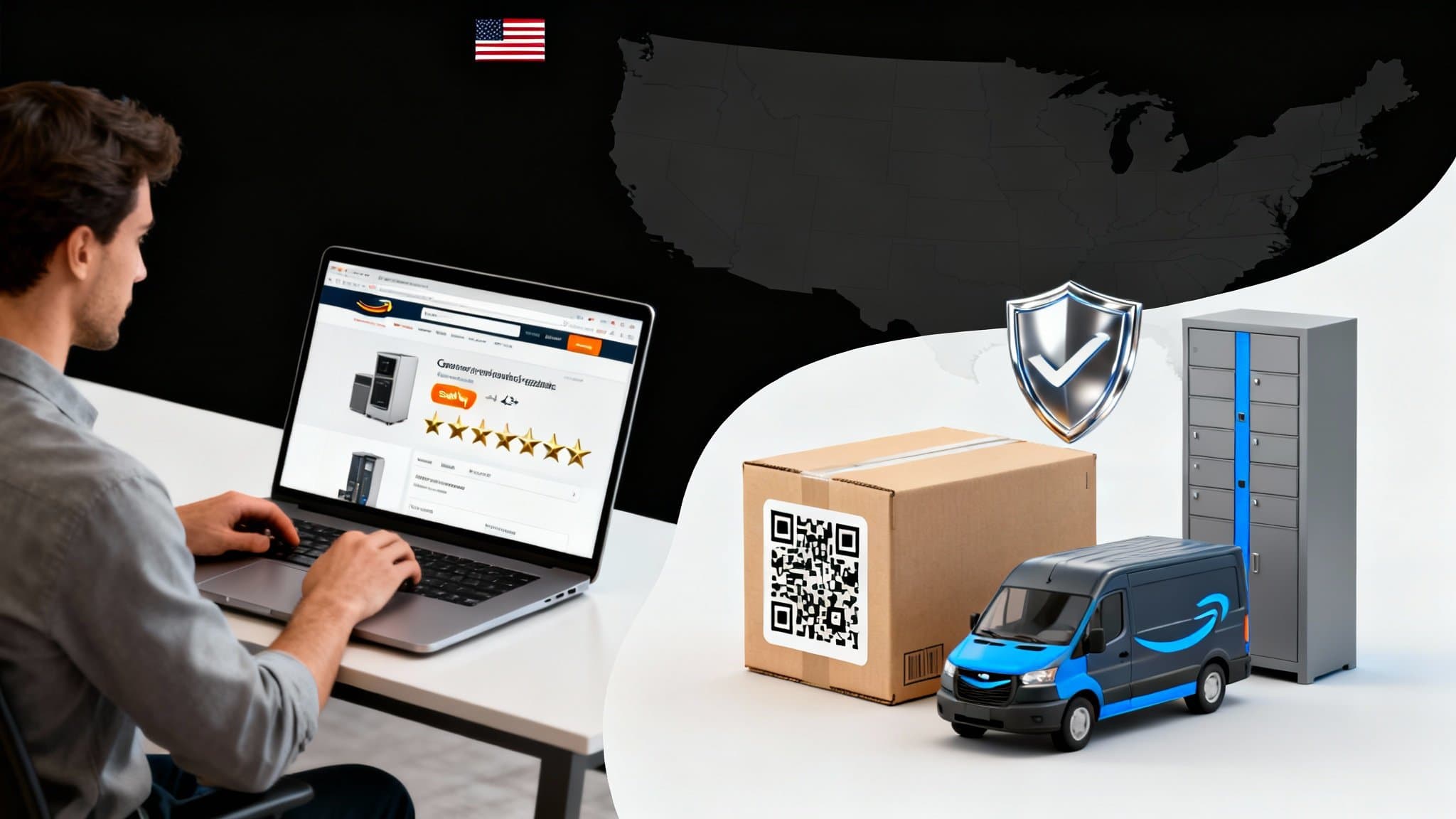

If you shop on Amazon in the United States, you want great prices without sacrificing safety or peace of mind. The good news: Amazon’s marketplace offers strong protections—if you know how to use them. In this guide, we’ll walk through how seller ratings work, what to look for before you buy, how Amazon’s return policy really functions, and what “warranty” means on Amazon. You’ll also get practical tips to avoid counterfeits, spot red flags, and resolve issues fast. Use these best practices to shop smarter, protect your budget, and enjoy a smooth, secure experience every time you click “Buy Now.”
Why Amazon Shopping Safety Matters
Amazon blends items sold and shipped by Amazon with products sold by third‑party sellers. That variety is a strength—but it also makes due diligence essential. By checking seller ratings, reading recent reviews, verifying return windows, and confirming warranty coverage, you lower risk and increase your chances of getting exactly what you paid for.
Understanding Seller Ratings and Reviews
Seller ratings summarize the overall experience buyers had with a merchant—covering shipping speed, item condition, communication, and problem resolution. Aim for sellers with:
- 4.5 stars or higher across a large sample size
- Consistent ratings in the past 3–6 months
- Detailed, photo‑backed reviews from verified purchases
What to check:
- Recent reviews: Sort by “Most recent” to catch new issues (quality dips, shipping delays, stock changes).
- Review patterns: Many short, vague 5‑star reviews posted in a burst can be suspicious. Balanced reviews that mention pros and cons are more trustworthy.
- Q&A section: Look for seller responsiveness and accurate answers to compatibility or authenticity questions.
Prime and “Ships from Amazon” signals:
- “Ships from Amazon” often means faster delivery, better packaging, and easier returns.
- “Sold by Amazon” indicates first‑party inventory and typically stronger guarantees against counterfeits.
- Prime badge signals fast, free shipping and straightforward returns for members.
How Amazon Returns Really Work
Amazon’s A‑to‑Z Guarantee protects you when you buy from third‑party sellers. But return policies can vary by category and seller, so check:
- Return window: Many items are 30 days, but some categories differ (holiday seasons may extend windows).
- Return method: Look for label‑free, box‑free returns at Amazon Hub or partner locations for convenience.
- Restocking fees: Certain categories (electronics, opened items) may have fees—always read the product’s “Return Policy” link.
- Condition requirements: Keep original packaging, accessories, and serial‑numbered components intact for smooth processing.
Tips for hassle‑free returns:
- Initiate returns from your Orders page and select the most accurate reason for return.
- Upload photos if the item arrived damaged—this speeds up approvals.
- Track deadlines: Print or present the QR code and drop off promptly to avoid missing the return window.
Warranties on Amazon: What You Need to Know
“Warranty” coverage depends on who made the product and who sells it:
- Manufacturer warranty: Branded products often carry the standard US manufacturer warranty. Check the product page and brand site for terms and coverage length.
- Seller warranty: Some third‑party sellers offer their own limited warranties. Read the fine print—what’s covered, claim process, and response times.
- Amazon protection plans: For electronics and appliances, consider an extended protection plan that covers mechanical/electrical failures after the manufacturer warranty ends.
Verification steps:
- Confirm “new” versus “renewed” or “used” condition; warranties may differ.
- Register the product (if applicable) with the manufacturer using the serial number.
- Keep digital copies of your invoice, order ID, packaging labels with serials, and seller communications.
Spotting Legitimate Products vs. Counterfeits
While Amazon invests heavily in anti‑counterfeit programs, vigilance pays off:
- Buy from the brand’s official Amazon store or authorized resellers (check the brand’s website for authorized lists).
- Compare price to MSRP: If the price is dramatically lower, verify authenticity via reviews and seller history.
- Check product images: Inconsistent branding, low‑res photos, or missing model numbers are red flags.
- Packaging details: Authentic items typically include tamper seals, UPC barcodes, and clear documentation.
If you suspect a counterfeit:
- Do not use the product.
- Request a return/refund and select “Suspected counterfeit” as the reason.
- Report the seller through Amazon to help protect other shoppers.
Fulfillment and Delivery Safety
- Choose “Fulfilled by Amazon (FBA)” to leverage Amazon’s logistics and return network.
- Track shipments within your account; enable delivery alerts on your phone.
- Use secure delivery options: Amazon Locker/Amazon Hub for high‑value products, especially in apartment buildings or busy areas.
- Inspect on arrival: Photograph any damaged packaging before opening and document issues immediately.
Payment and Account Security
- Stick to secure payment methods: credit cards or Amazon‑issued gift cards. Avoid off‑platform payments or wire transfers.
- Use two‑step verification on your Amazon account.
- Review order confirmations and transaction emails; report any unfamiliar orders immediately.
- Beware of phishing: Amazon will not ask for passwords or payment info via unsolicited emails. Always navigate directly to amazon.com.
How to Resolve Issues Quickly
- Contact the seller first for order questions or replacements. Good sellers respond within 24–48 hours.
- If the seller is unresponsive or the solution is unsatisfactory, escalate via the A‑to‑Z Guarantee.
- Keep all evidence: timestamps, photos, tracking numbers, and communication threads.
- Use Amazon chat or call support for time‑sensitive matters, especially close to return‑window deadlines.
Pro Buying Tips for US Shoppers
- Prioritize listings with “Sold by Amazon” or the brand’s Official Store page.
- Filter by Prime for reliable delivery and returns.
- Read at least five of the most recent reviews, focusing on verified purchases.
- Check the “About this item” section for warranty notes and model numbers.
- For electronics, confirm US voltage, carrier compatibility, and region locks.
- Consider an extended protection plan if the product’s downtime risk is costly (work devices, appliances).
Bottom Line
Amazon is a safe place to shop when you use the platform’s built‑in protections. Validate seller ratings, understand your return options, and confirm warranty coverage before buying. With a few quick checks, you’ll minimize risk, avoid counterfeits, and protect your investment—so you can shop confidently and focus on getting the best value.