
Best In-Car Cameras for Indiana Highway Driving and Racing Fans
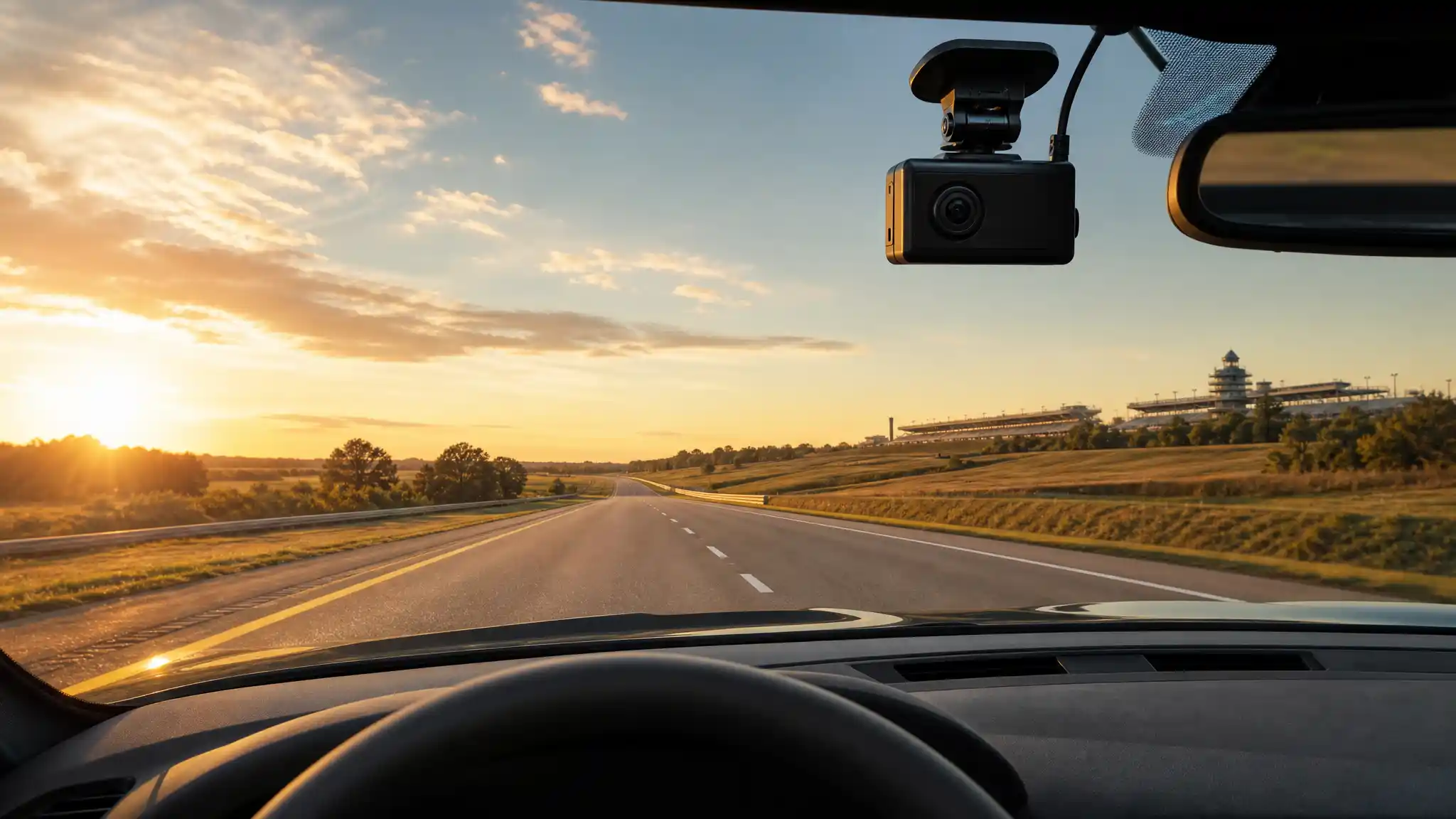
Indiana is built for people who enjoy driving. From long interstate stretches and rural back roads to the excitement surrounding Indianapolis motorsports, drivers have plenty of reasons to record every mile. The best in-car cameras do more than capture scenery. They help drivers document incidents, review track sessions, improve driving habits, and preserve memorable road trips.
For Indiana highway drivers and racing enthusiasts, choosing the right dash camera means balancing image quality, durability, recording features, and ease of use. A camera that works well during a relaxed weekend drive may not deliver the data or stability needed for a serious track day. This guide explains what to look for and how to choose an in-car camera that suits both daily driving and motorsport-focused use.
Why Indiana Drivers Benefit From an In-Car Camera
Indiana roads can present rapidly changing conditions. Drivers may encounter intense rain, low winter light, fog, construction zones, or congested interstate traffic. A dependable car dash cam records what happens ahead of the vehicle and can provide useful video evidence if an incident occurs.


For everyday motorists, a front and rear dash cam offers broader coverage. The front camera captures traffic, lane changes, road hazards, and intersections. The rear camera records vehicles approaching from behind, which can be valuable after a rear-end collision or unsafe tailgating incident.
Racing fans and performance drivers have additional needs. They often want to capture the driver’s view, record engine audio, review braking points, and compare lap performance. A capable racing camera for cars turns a track session into useful feedback rather than just a highlight clip. It can show where a driver brakes too early, turns in too late, or loses speed on corner exit.
Prioritize Clear Video Quality
Video quality should lead your buying decision. Look for a 4K dash cam or at least a high-resolution 1440p model for the front-facing camera. Higher resolution helps capture road signs, lane markings, vehicle details, and license plates more clearly in favorable lighting.
However, resolution alone does not guarantee great footage. A strong image sensor, wide dynamic range, and reliable video processing matter just as much. Cameras with HDR night vision or WDR technology can manage bright headlights, dark highways, and sudden transitions between shade and sunlight more effectively.
Indiana drivers who commute before sunrise or return late from events should prioritize a night vision dash camera. Low-light performance can make the difference between a vague recording and a usable clip. Select a model that controls glare from headlights and keeps important details visible without creating excessive motion blur.
For track driving, smooth footage matters too. Choose a camera with at least 60 frames per second if you want clearer motion during fast braking, overtaking, and cornering. Higher frame rates create more fluid video and make post-session analysis easier.
Choose Front, Rear, or Multi-Channel Coverage
A single front-facing unit works well for many highway drivers. It offers a simple setup and records the most important area: the road ahead. Still, a dual dash cam system gives many owners greater confidence. It records both directions and provides a more complete view of traffic events.
A front-and-rear setup works especially well for drivers who regularly use Indianapolis-area highways, travel to car meets, or take long trips across the state. Rear footage can establish the position and behavior of vehicles behind you.
Some drivers may benefit from an interior-facing camera as well. A three-channel dash camera records the front, rear, and cabin. Rideshare drivers often choose this format, but it can also appeal to people who want to record passenger activity or cockpit reactions during legal, controlled motorsport events.
Racing enthusiasts should think carefully about camera placement. A windshield-mounted unit can record the track ahead, while an additional cabin or roll-bar-mounted camera can capture steering inputs and driver behavior. Always ensure the mount remains secure and does not block visibility or interfere with vehicle controls.
GPS, Speed Data, and Track-Day Analysis
A standard dash cam can document a drive, but a GPS dash cam adds another layer of information. GPS features may record location, route, time, and speed data alongside the video. This information can help drivers review a road trip or understand the context of a recorded event.
For performance driving, a lap timer camera delivers far more value. It can combine video with lap times, track position, speed overlays, and performance data. These features help drivers move beyond watching footage casually. They can identify consistent braking points, study lines through corners, and measure improvement between sessions.
A serious motorsport video recorder may also support accelerometer data, external cameras, and vehicle information. These advanced systems suit dedicated track-day participants who want to refine skills at sanctioned venues. They should never encourage unsafe driving on public roads. Indiana highways are for lawful travel; performance testing belongs on closed courses and organized track events.
Storage, Loop Recording, and Reliability
A camera must save footage reliably to be useful. Most models use microSD cards, but not every memory card can handle continuous high-resolution recording. Choose a high-endurance card from a reputable manufacturer and verify the camera’s maximum supported capacity.
Loop recording automatically overwrites the oldest non-protected clips when the card fills up. This feature keeps the camera operating without constant manual maintenance. A built-in G-sensor dash cam can detect an impact or sudden movement and lock the relevant video file to prevent accidental deletion.
Parking protection also matters. A parking mode camera can monitor the vehicle when it is parked and save video if it detects impact or motion. Many models require a hardwire kit or external battery pack for extended parking surveillance. If you park frequently at airports, garages, racetracks, or crowded event venues, this feature adds practical peace of mind.
Indiana weather can be demanding, so select a unit designed for heat and cold. Cameras using supercapacitors often handle temperature changes better than models that rely only on internal lithium batteries. This small technical detail can improve long-term reliability.
Wi-Fi, App Control, and Easy Footage Sharing
Modern drivers often want to review clips immediately. A Wi-Fi dash cam lets you transfer recordings to a smartphone app without removing the memory card. This feature helps you save an important highway clip, share a scenic drive with friends, or upload a track-day video after a session.
App quality matters. Look for an interface that makes it easy to locate recordings, download high-resolution files, adjust settings, and manage GPS data. Voice control can also help drivers start or stop certain functions while keeping attention on the road, although no feature should distract you from safe driving.
For racing content creators, easy file transfer speeds up editing. You can combine onboard footage with exterior clips, commentary, timing data, or race-event photos to create more engaging videos.
Installation Tips for Better Results
Mount your camera high on the windshield, behind or near the rearview mirror, without obstructing your field of vision. Clean the glass before installation and use a stable adhesive mount for the most consistent footage. Suction mounts can work well for temporary setups, especially when moving a camera between vehicles, but they may shift during vibration or temperature changes.
For a clean daily-driver installation, route the power cable around the headliner and trim. Consider professional hardwiring if you want uninterrupted parking mode. Test the camera before relying on it: check the viewing angle, confirm the date and time, verify audio preferences, and ensure the memory card records correctly.
Amazon Product Recommendation
For drivers who want a versatile daily-driving solution with strong recording features, consider the ROVE R2-4K DUAL Dash Cam Front and Rear on Amazon.com. Its listed features include a STARVIS 2 sensor, 4K front recording, rear coverage, 5G Wi-Fi, a 128GB card, and 24-hour parking mode. Check the current product page for availability, pricing, and compatibility before buying.