
Best Cameras for Freelance Video Content Creators: A Complete Guide
Freelance video content creators need more than just creativity. To stand out in a saturated digital world, you also need the right camera gear. A good camera can transform average footage into professional, cinematic content that attracts brands, followers, and long‑term clients. In this guide, you’ll learn what to look for in a camera, how different camera types compare, and which features really matter for online video production.
Why Your Camera Choice Matters as a Freelance Creator
Your camera influences how viewers perceive your brand. Sharp 4K video, accurate colors, and clean audio make your content look premium. Brands are more likely to collaborate with creators who deliver high production value consistently. A reliable camera also saves time in editing, reduces noise issues, and helps you shoot faster, whether you create YouTube videos, TikToks, Reels, online courses, or client projects.
Choosing the right camera is not about buying the most expensive model. Instead, it’s about balancing image quality, portability, autofocus performance, and budget. When your camera supports your workflow, you can focus on storytelling and creativity instead of fighting technical limitations.
Key Features Freelance Video Creators Should Look For
When you compare cameras, focus on features that directly affect your day‑to‑day work:
- Autofocus performance
Fast, accurate autofocus with reliable face and eye tracking is essential, especially if you film yourself. As a freelance video content creator, you often work solo. Strong autofocus keeps your face sharp without needing a camera operator. - Video resolution and frame rates
Aim for at least 4K video for future‑proof content. For slow motion, look for 60fps or 120fps options in Full HD or 4K. Higher frame rates help with dynamic B‑roll, product shots, and action scenes that make your edits more engaging. - Low‑light performance
Not every creator has a studio with perfect lighting. A camera with a larger sensor and good high‑ISO performance allows you to shoot in apartments, cafes, or nighttime streets without excessive grain. This flexibility is vital for vlogs and travel content.
other
- Stabilization (IBIS or digital)
In‑body image stabilization (IBIS) or excellent digital stabilization keeps handheld footage smooth. If you walk and talk, shoot run‑and‑gun B‑roll, or film events, stabilization can reduce your need for a gimbal and save setup time on client shoots. - Audio support
Video quality loses impact if your audio is bad. Look for a microphone input, headphone jack, and clean preamps. With these, you can plug in shotgun mics or wireless lavaliers for professional sound in interviews, talking‑head videos, and tutorials. - Flip‑out or tilt screen
A fully articulating or at least tilting screen makes it easy to frame shots when filming yourself. This is crucial for YouTube creators, educators, and social media storytellers who often record solo. - Battery life and recording limits
Long shooting days demand strong battery performance. Some cameras also limit continuous recording time. Freelancers who record podcasts, webinars, or online courses need longer recording durations or support for external power. - Connectivity and workflow
Built‑in Wi‑Fi, USB streaming, and clean HDMI out can speed up your workflow. These features help when you use your camera as a webcam, live stream sessions for clients, or quickly transfer clips to your phone for social media uploads.
Mirrorless vs Compact vs Action Cameras
Different camera types serve different freelance content strategies. Understanding their strengths helps you choose a system that fits your niche.
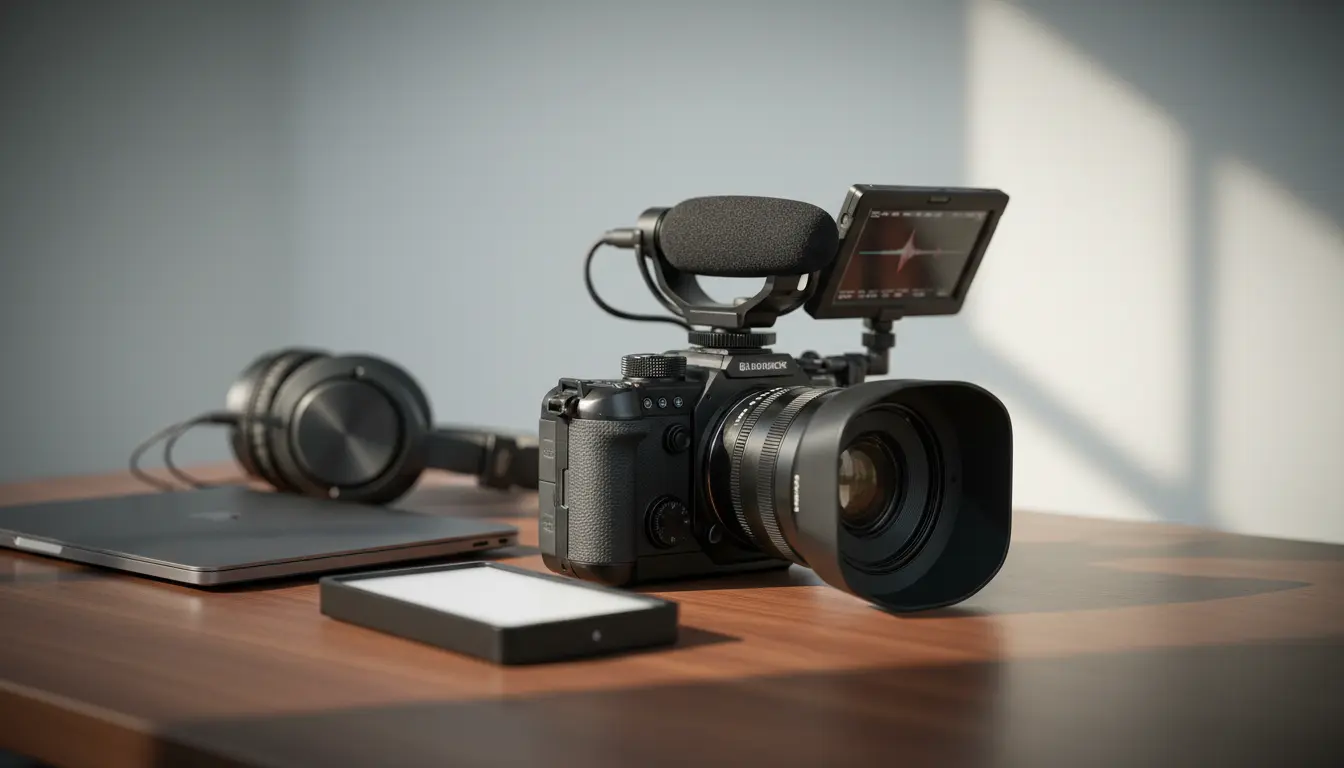
- Mirrorless cameras
Mirrorless models are currently the most popular choice for freelance creators. They offer:- Interchangeable lenses for a wide range of looks
- Larger sensors for better dynamic range and low‑light performance
- Advanced video features like log profiles, 10‑bit recording, and high frame rates
- Compact / vlogging cameras
Dedicated vlogging or compact cameras are smaller and easier to carry all day. They often feature:- Built‑in lenses tuned for wide‑angle selfie shooting
- One‑touch background defocus and product showcase modes
- Strong internal mics designed for creators
- Action cameras
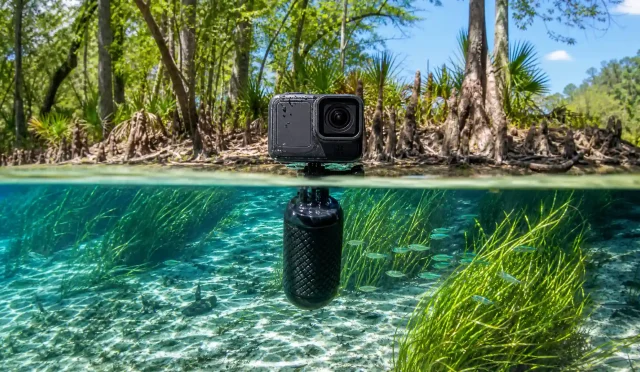
Action cameras are built for extreme portability and durability. While they have smaller sensors, they offer:- Rugged, waterproof designs
- Excellent stabilization for sports, POV shots, and outdoor adventures
- Mounting options for helmets, vehicles, and gear
How to Match a Camera to Your Content Niche
Your niche as a freelance video content creator should heavily influence your camera choice:
- YouTube educators and course creators
You need a camera with strong autofocus, a clean image at 4K, and trustworthy audio inputs. A mirrorless or dedicated vlogging camera with a flip‑out screen makes recording tutorials and lesson modules smooth. - Short‑form social media creators (TikTok, Reels, Shorts)
A compact vlogging camera or a lightweight mirrorless model is usually enough. Easy vertical shooting, fast connectivity to your phone, and stable handheld footage matter most for this group. - Client‑focused filmmakers (brands, weddings, events)
Prioritize dual card slots, robust 4K codecs, advanced color profiles, and strong low‑light performance. Your camera should handle long recording sessions and varied lighting conditions while delivering footage that grades well. - Travel and adventure storytellers
Here, weight and durability are crucial. A small mirrorless camera paired with an action camera gives you flexibility: cinematic shots with one body and rugged POV content with the other.
By identifying your primary niche and your income sources, you avoid overspending on features you rarely use and ensure that every part of your kit serves your business.
Building a Camera Setup That Grows With Your Freelance Career
A camera is the heart of your video production system, but it is only one piece of the puzzle. Alongside the body, invest in:
- A fast prime lens for blurred backgrounds and low‑light scenes
- A reliable external microphone for crisp voice recordings
- Extra batteries and memory cards for uninterrupted shooting
- A compact tripod or stabilizer for steady talking‑head videos
Choose a camera ecosystem that offers room to upgrade. As your freelance business grows, you might add better lenses, improved audio gear, or a second body. Starting with a video‑focused camera platform ensures that every new accessory you buy continues to work in your setup.
Recommended Camera for Freelance Video Content Creators (Amazon)
One highly regarded option available on Amazon for freelance video content creators is the Sony ZV‑E10 Mirrorless Camera. It combines:
- Excellent autofocus with eye and face tracking
- Interchangeable lenses for creative flexibility
- A fully articulating screen optimized for self‑recording
- Strong audio features designed for vloggers and online creators
For freelancers who want professional‑looking video in a compact, affordable body, the Sony ZV‑E10 offers a balanced blend of performance, portability, and creator‑focused design.