
Best Mirrorless Cameras: A Complete Guide for Photographers in 2025
Mirrorless cameras have rapidly become the top choice for both beginners and professional photographers. They offer excellent image quality, advanced autofocus, and compact bodies without the bulk of traditional DSLRs. In this guide, you will learn what to look for when buying a mirrorless camera, who they are best for, and which models stand out on the market today.
What Is a Mirrorless Camera?
A mirrorless camera is a digital camera that does not use the mirror and optical viewfinder system found in DSLRs. Instead, light passes directly through the lens to the image sensor. The camera then displays a live preview on the LCD screen or electronic viewfinder (EVF).
This design makes mirrorless cameras:
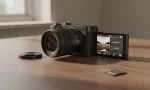
- Lighter and more compact
- Quieter during shooting
- Faster for continuous shooting and video work
Despite their smaller size, modern mirrorless cameras rival – and often surpass – DSLRs in image quality and performance.
Key Advantages of Mirrorless Cameras
1. Compact and Lightweight Design
One of the biggest benefits is portability. Mirrorless cameras are easier to carry in a small bag, making them ideal for:
- Travel and street photography
- Vlogging on the go
- Everyday use and family events
A lighter camera also reduces fatigue when shooting for several hours.
2. Advanced Autofocus and Eye‑Tracking
Most modern mirrorless systems use on‑sensor phase detection. This lets the camera track moving subjects with impressive accuracy. Eye‑AF and Face‑Detection AF help keep portraits sharp, even with fast prime lenses and shallow depth of field.
Mirrorless cameras are especially strong for:
- Wildlife and sports photography
- Weddings and events
- Fast-paced content creation for social media
3. Excellent Video Capabilities
Mirrorless cameras dominate the hybrid photo‑video segment. Many models now offer:
- 4K and even 6K or 8K resolution
- High frame rates (60p, 120p) for slow motion
- Log profiles and 10‑bit recording for color grading
- Clean HDMI output for streaming
If you want one camera for both videos and stills, a mirrorless body is usually the best choice.
4. Real‑Time Preview in the EVF
With an electronic viewfinder, you see the exposure, white balance, and depth of field as they will appear in the final image. You can adjust settings and watch the changes in real time. This reduces trial and error and helps you learn faster.
Important Features to Consider Before You Buy
1. Sensor Size: Full‑Frame vs APS‑C vs Micro Four Thirds
- Full‑Frame sensors provide the best low‑light performance, dynamic range, and background blur (bokeh). They are great for professionals, wedding photographers, and serious enthusiasts.
- APS‑C sensors strike a balance between image quality, size, and price. Many travel and street photographers love APS‑C mirrorless cameras.
- Micro Four Thirds sensors are smaller but allow very compact lenses and bodies. They work well for travel, video, and handheld shooting.
Choose the sensor size that matches your budget and shooting style rather than chasing specs alone.
2. Megapixels and Image Quality
More megapixels give you room to crop and print large images, but they are not everything. For most users, 20–33 MP is more than enough. Look at:
- Dynamic range
- Color science
- Noise performance at high ISO
These factors affect real‑world image quality more than raw megapixel numbers.
3. Lens Ecosystem and Mount
A great camera body is useless without the right lenses. Check:
- How many native lenses are available
- Third‑party lens support (Sigma, Tamron, etc.)
- Availability of fast primes and versatile zooms
Investing in a strong lens ecosystem ensures your system can grow with you.
4. Stabilization: In‑Body Image Stabilization (IBIS)
In‑Body Image Stabilization helps reduce blur caused by hand shake. It is very important for:
- Low‑light handheld shooting
- Video recording without a gimbal
- Using telephoto lenses
If you often shoot indoors or in the evening, IBIS is a valuable feature.
5. Video Specs and Audio Options
For creators and vloggers, pay attention to:
- Maximum resolution and frame rates (4K, 6K, 8K)
- Recording limits and overheating behavior
- Microphone and headphone jacks
- Articulating or flip screens for self‑recording
A mirrorless vlogging camera with good audio options and a fully articulating screen makes content creation easier and more enjoyable.
Who Should Buy a Mirrorless Camera?
Mirrorless cameras suit almost every type of photographer today:
- Beginners who want to move beyond smartphones and learn manual control
- Enthusiasts seeking better image quality, fast autofocus, and lens flexibility
- Professionals who need reliable hybrid systems for both photos and videos
- Vloggers and YouTubers who require lightweight gear with strong video features
If you value portability, modern autofocus, and top‑tier video specs, a mirrorless camera is one of the best long‑term investments you can make.
Tips for Choosing the Right Mirrorless Camera
- Define your main use case: travel, portraits, weddings, sports, or content creation.
- Set a realistic budget that includes at least one good lens and extra batteries.
- Handle the camera in person if possible. Comfort, grip, and menu layout matter.
- Plan for the future: choose a mount and brand with a clear roadmap and strong lens lineup.
- Prioritize features you will actually use instead of chasing every new headline spec.
Recommended Mirrorless Camera on Amazon
If you are looking for a powerful, versatile option, you can consider the Sony Alpha a7 IV Full‑Frame Mirrorless Camera, which is widely available on Amazon. It offers:
- 33 MP full‑frame sensor for excellent image quality
- Fast and accurate Eye‑AF for humans and animals
- Strong 4K video performance with advanced color profiles
- Robust lens ecosystem for every budget and shooting style
This model works very well as a hybrid camera for both still photography and professional‑level video production.