
Sony E‑mount Cameras: A Practical, Buyer‑Friendly Guide (2026)
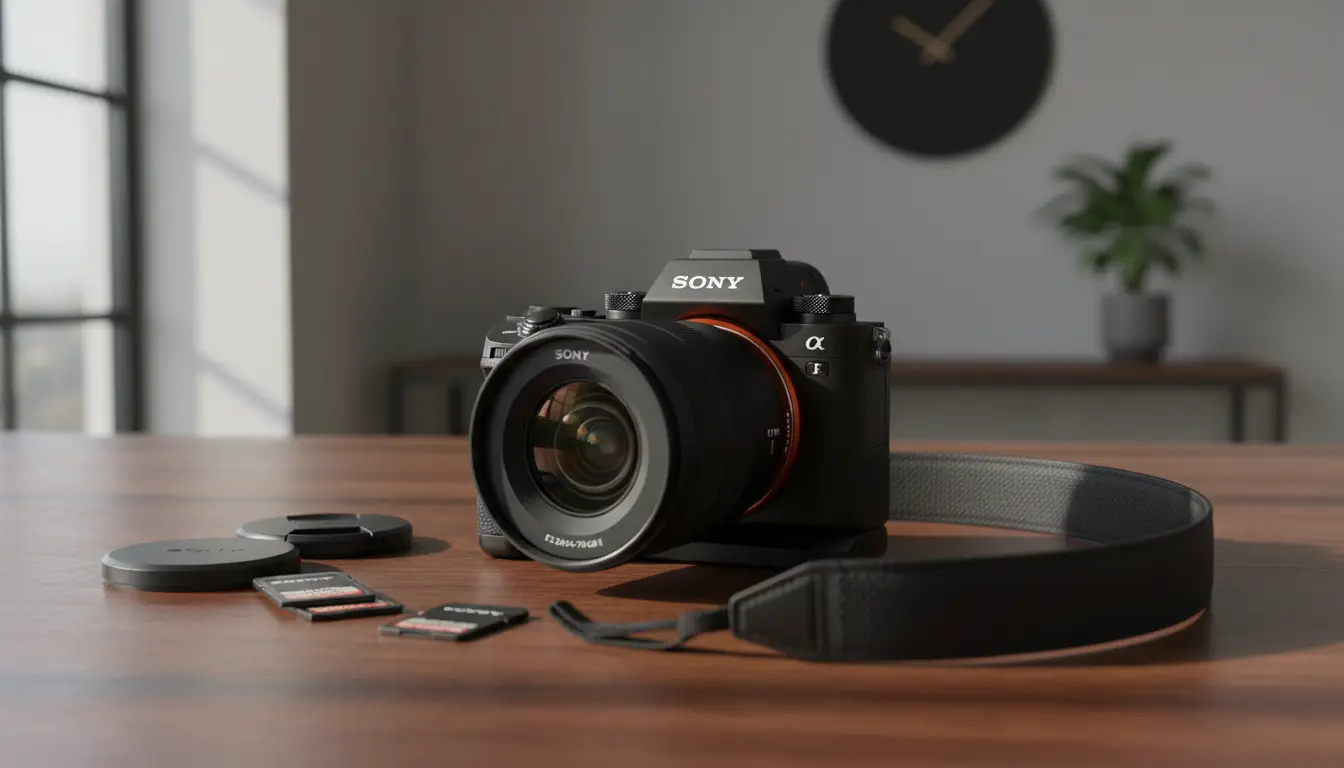
Sony’s E‑mount cameras have become a go-to choice for creators who want strong image quality, modern autofocus, and a lens ecosystem that keeps expanding every year. Whether you shoot travel videos, portraits, street photography, product content, or cinematic short films, the E‑mount system offers a flexible path: you can start with an affordable APS‑C body and later move to full-frame without abandoning the mount.
This guide explains what Sony E‑mount is, who it suits best, what to look for when buying, and how to build a smart lens kit. I’ll keep the language clear and actionable, and I’ll use natural, search-friendly terminology throughout.
What Is Sony E‑mount?
Sony introduced E‑mount for its mirrorless lineup. Unlike older DSLR mounts that rely on a mirror box, E‑mount is designed for mirrorless bodies with a shorter flange distance. That design unlocks compact camera bodies and makes adapting lenses easier.

E‑mount covers two sensor formats:
- APS‑C E‑mount (often called “Sony crop sensor” bodies): lighter, typically cheaper, excellent for travel and everyday shooting.
- Full-frame E‑mount (Sony FE): larger sensor, stronger low-light performance, and wider depth-of-field control.
A key advantage: FE lenses work on APS‑C bodies (with a crop factor), so you can buy lenses that “future-proof” an upgrade to full-frame later.
Why Creators Choose Sony E‑mount Cameras
Sony has built an ecosystem that serves both hobbyists and professionals. The system stands out for several reasons:
- Fast, reliable autofocus: Sony’s face/eye tracking helps you capture sharp portraits, weddings, and fast action without constant manual adjustments.
- Strong video features: Many bodies include high-quality 4K recording and creator-focused tools like picture profiles and improved heat management.
- Huge lens selection: Native Sony glass plus third-party options from Sigma, Tamron, Samyang, and others give you plenty of choices at different budgets.
- Compact setups: You can build a lightweight kit that still delivers professional results, especially with APS‑C.
If you publish content often, this mix of speed, consistency, and lens variety makes workflow smoother.
E‑mount vs FE Mount: The One Detail People Confuse
You’ll see two terms online: E‑mount and FE. They are related but not identical.
- E‑mount = the physical lens mount (used by both APS‑C and full-frame Sony mirrorless).
- FE lens = a full-frame lens made for E‑mount.
- E lens (sometimes labeled “E” without FE) = usually designed for APS‑C E‑mount.
So yes—FE lenses mount on APS‑C bodies. But APS‑C lenses on a full-frame body may force a crop mode or show heavy vignetting.
How to Pick the Right Sony E‑mount Camera (Checklist)
Choosing the best body depends on what you shoot and how you work. Use this practical checklist:
1) Sensor Format: APS‑C or Full-frame?
- Pick APS‑C if you want value, portability, and a lighter lens kit.
- Pick full-frame if you need superior low-light results, maximum dynamic range, and more background separation for portraits.
2) Autofocus and Subject Tracking
If you shoot people, events, kids, pets, or anything that moves, prioritize modern tracking. Sony’s eye AF and real-time tracking are a major advantage in real-world shooting. You spend less time fixing missed focus and more time capturing moments.
3) Stabilization (IBIS) vs Lens Stabilization
Many Sony bodies offer in-body image stabilization (IBIS). IBIS helps for handheld video and low-light stills, especially with prime lenses. If your budget is tight, you can still get stabilization through many lenses, but IBIS makes your system more flexible.
4) Video Specs That Matter (Not Just “4K”)
For video creators, don’t stop at “4K.” Look at:
- Frame rates (24/30/60)
- Bit depth and codecs
- Rolling shutter control
- Overheating performance
- Audio inputs if you use external microphones
These details affect editing, skin tones, motion, and reliability during long recordings.
5) Ergonomics and Workflow
A camera can be technically amazing and still slow you down. Consider:
- Menu layout and custom buttons
- Battery life for your shooting style
- A screen that supports how you film yourself
- Dual card slots if you shoot paid work
When your camera feels natural, you create more and stress less.
Building a Smart E‑mount Lens Kit
Lens choice shapes your look more than the camera body. Here’s a simple, effective strategy:
Start with One Versatile Zoom
A standard zoom can cover everyday needs: landscapes, travel, family, and casual portraits. For many people, this becomes the “always-on” lens.
Add a Fast Prime for Low Light and Portraits
A fast prime (like a 35mm or 50mm equivalent) gives you a cleaner image in dim light and creates the classic blurred background look. It also encourages better composition because you move your feet instead of zooming.
Upgrade with Purpose
Don’t buy lenses because YouTube says they’re “must-have.” Buy them when they solve a real problem:
- You need sharper corners for architecture
- You need faster autofocus for events
- You need lighter gear for travel
- You need a wider angle for vlogging
This approach keeps your kit lean and your spending intentional.
Who Should Buy Sony E‑mount Cameras?
Sony E‑mount works especially well for:
- Content creators who need dependable autofocus and strong video features
- Travel photographers who want compact gear without sacrificing quality
- Portrait shooters who value eye tracking and lens variety
- Hybrid shooters who shoot both photo and video and want one system that does both confidently
If you want a system that scales with you—from beginner-friendly bodies to high-end professional options—E‑mount is an excellent long-term platform.
Common Mistakes to Avoid (So Your Setup Stays “Organic” and Practical)
To get results that feel natural—not overly processed—avoid these common traps:
- Over-sharpening in camera: It can make skin look harsh. Keep sharpening moderate and refine in editing.
- Buying the wrong lens format: Confirm whether a lens is APS‑C or full-frame before committing.
- Chasing specs over storytelling: Your lighting, composition, and consistency matter more than tiny technical differences.
- Ignoring audio for video: Even the best image looks amateur if the sound is weak.
- Skipping practice: Learn one camera deeply before switching bodies.
Amazon.com Product Recommendation (1 Item)
If you want a reliable, creator-friendly full-frame option in the E‑mount lineup, consider:
- Sony Alpha a7 IV (ILCE-7M4) Mirrorless Camera (E‑mount, full-frame) — commonly listed on Amazon.com and widely recommended for hybrid photo/video workflows.