
Hybrid Cameras (Photo + Video): The Ultimate Guide for Modern Creators
Hybrid cameras that shoot both high‑quality photos and professional‑looking videos have become the go‑to choice for content creators, travelers, and even working professionals. Instead of carrying a separate DSLR for photos and a dedicated camcorder for video, you can now rely on a single compact device that does both extremely well.
In this guide, you’ll learn what a hybrid camera is, why it’s different from traditional photo cameras, the key features to look for, and who can benefit the most from using one. You’ll also find an example product recommendation from Amazon at the end to help you get started.
What Is a Hybrid Camera?
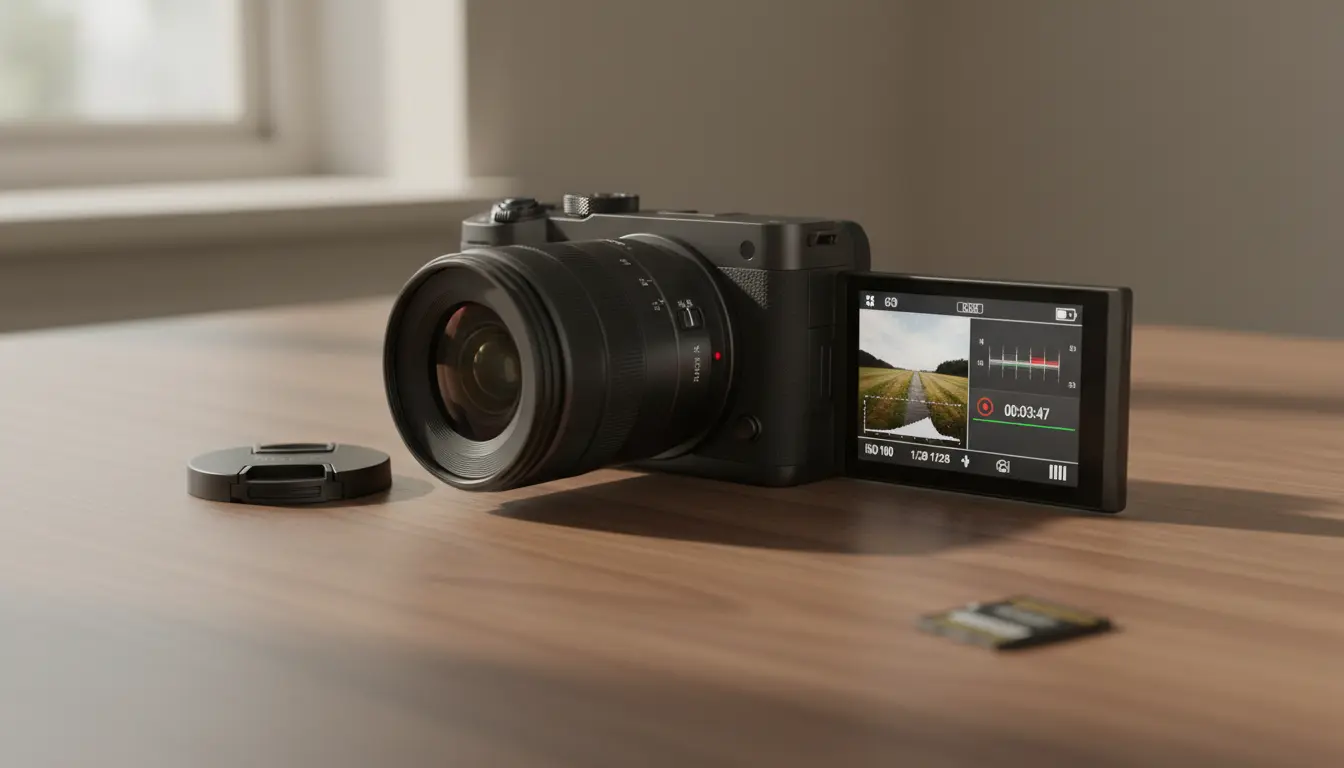
A hybrid camera is a mirrorless or DSLR camera designed to deliver excellent performance in both still photography and video recording.
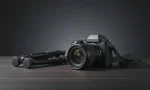
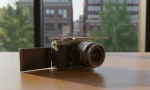
Unlike older cameras that mainly focused on photos and treated video as a basic extra, modern hybrid cameras:
- Record high‑resolution 4K or even 6K/8K video
- Capture detailed, high‑dynamic‑range images
- Offer advanced autofocus that works well in both modes
- Include features like flat picture profiles or Log for color grading
This balance makes them ideal for users who want cinematic video and sharp photos from the same body, using the same lenses and accessories.
Why Hybrid Cameras Are So Popular
Hybrid cameras dominate the creator market for a few strong reasons:
1. One Device for Everything
A single hybrid system reduces:
- Gear weight in your bag
- Overall cost (no need for separate video and photo bodies)
- Setup time when switching from shooting photos to recording video
Creators can move from taking product shots to recording talking‑head videos in seconds.
2. Professional‑Level Video in a Compact Body
Most hybrid cameras now offer:
- 4K video (often oversampled from higher resolutions for better detail)
- Slow‑motion modes (e.g., 1080p at 120fps)
- Clean HDMI output for external recorders or live streaming
- Advanced codecs that preserve more color information
This means you can shoot footage suitable for YouTube, client work, or even indie films without needing a bulky cinema camera.
3. Excellent Image Quality for Photography
On the photo side, hybrid cameras typically feature:
- Large APS‑C or full‑frame sensors
- High megapixel counts for detailed images
- Wide dynamic range for better highlight and shadow recovery
- Fast burst shooting for action, sports, or wildlife
For many photographers, a hybrid body fully replaces traditional stills cameras while adding far more flexibility for video projects.
Key Features to Look For in a Hybrid Camera
When choosing a hybrid camera (photo + video), focus on features that matter for both workflows.
1. Sensor Size and Resolution
- Full‑frame sensors offer better low‑light performance and shallower depth of field, making them great for cinematic video and professional photography.
- APS‑C sensors are generally more affordable, still deliver excellent quality, and are popular among travel and vlog creators.
Aim for at least 20–26 megapixels. This gives you enough detail for large prints, cropping flexibility, and oversampled 4K video.
2. Autofocus Performance
Reliable autofocus is crucial for hybrid use. Look for:
- Phase‑detection AF across a wide portion of the frame
- Eye and face detection for humans and sometimes animals
- Subject tracking that works smoothly in both stills and video
Fast and accurate autofocus lets you work handheld, vlog easily, and shoot moving subjects without constantly refocusing manually.
3. Video Specs That Actually Matter
When comparing hybrid cameras, don’t just look at resolution. Pay attention to:
- 4K recording without heavy crop (so your lenses behave as expected)
- Frame rates like 4K 30p or 60p and 1080p 120p for slow motion
- Color depth and bit rate (10‑bit internal recording is a big plus for grading)
- Log profiles (S‑Log, V‑Log, C‑Log, F‑Log, etc.) for professional color grading
These specs determine how flexible your footage will be in post‑production and how cinematic your final results can look.
4. Image Stabilization
In‑body image stabilization (IBIS) is especially valuable for hybrid creators:
- It helps reduce shake in handheld video
- It allows slower shutter speeds for photos in low light
- Combined with lens stabilization, it can produce very smooth footage
If you plan to shoot handheld vlogs, events, or documentary‑style content, IBIS is a major advantage.
5. Ergonomics and Handling
Hybrid cameras should feel good to use in both modes:
- A comfortable grip for longer handheld shooting
- Dedicated buttons or custom functions for switching between photo and video
- A fully articulating or tilting touchscreen for flexible angles and vlogging
- Dual card slots if you’re doing professional work and need backup recordings
These practical features affect how fast and confidently you can work in the field.
Who Should Choose a Hybrid Camera?
Hybrid cameras are a strong choice for several types of users.
Content Creators and YouTubers
If you create YouTube videos, Instagram Reels, TikTok clips, or educational content, a hybrid camera gives you:
- Sharp product or lifestyle photos for thumbnails and social posts
- Clean, cinematic video for your main content
- Decent audio inputs and monitoring options, especially with an external mic
Vloggers in particular benefit from compact mirrorless hybrids with flip screens and reliable continuous autofocus.
Freelancers and Small Production Teams
Photographers who occasionally shoot video, and videographers who sometimes deliver stills, can simplify their workflows with one main hybrid body. This is ideal for:
- Wedding shooters needing both photos and highlight films
- Corporate creators producing interviews and headshots
- Event coverage where you must switch between modes quickly
The unified system also makes lens and accessory investments more cost‑effective over time.
Enthusiasts and Travelers
If you’re a photo enthusiast who has recently discovered video, or a traveler wanting to document trips in multiple formats, a hybrid camera is perfect. You can:
- Capture landscapes in high‑resolution stills
- Record cinematic travel montages
- Keep your gear bag light while staying flexible
Tips for Getting the Most Out of a Hybrid Camera
To fully unlock the potential of a hybrid camera (photo + video), keep these practices in mind:
1. Learn Separate Photo and Video Setups
Create custom modes or presets:
- One profile for stills (RAW, appropriate shutter speed, burst mode)
- One profile for video (Log or flat profile, correct frame rate, shutter angle rule)
This lets you switch between photography and filmmaking quickly without constantly re‑adjusting every setting.
2. Use the Right Lenses
Invest in versatile, fast lenses:
- A standard zoom (e.g., 24–70mm) for general work
- A fast prime (e.g., 35mm or 50mm f/1.8) for portraits and low light
- Optionally, a wide‑angle lens for vlogging and interiors
High‑quality glass often has a bigger impact on image quality than upgrading the camera body.
3. Focus on Audio for Video
Even the best hybrid camera will sound poor with internal mics alone. For professional‑sounding video:
- Add a shotgun microphone on the hot shoe
- Use a lavalier mic for interviews or talking‑head content
- Monitor levels in‑camera and avoid clipping
Good audio dramatically improves the perceived quality of your videos and helps you stand out.
4. Develop a Color Workflow
Since many hybrid cameras include Log or flat profiles, you can:
- Shoot in Log to preserve highlights and shadows
- Apply LUTs in your editing software
- Fine‑tune contrast and saturation for a consistent look
Over time, you’ll build a unique visual style that’s recognizable across your photo and video content.
Future Trends in Hybrid Camera Technology
Hybrid cameras continue to evolve quickly. Some emerging trends include:
- Higher resolution video like 6K and 8K for cropping and reframing
- Advanced AI autofocus, recognizing more subjects and tracking them more intelligently
- Improved low‑light performance through better sensors and noise reduction
- Stronger integration with streaming and mobile workflows, making it easier to go live or transfer media on the go
These developments will continue to blur the line between mirrorless hybrids and dedicated cinema cameras, while still keeping bodies relatively compact and accessible.
Recommended Hybrid Camera on Amazon
If you’re looking for a practical starting point, one popular and widely trusted option on Amazon.com is the Sony Alpha a7 IV Mirrorless Camera (often sold as a body‑only option or in a kit with a 28‑70mm lens).
It offers:
- A full‑frame sensor with excellent dynamic range
- 4K video oversampled from 7K, with 10‑bit recording
- Strong autofocus with eye tracking
- Solid ergonomics for both photography and video work
This model is a reliable, future‑proof foundation for anyone serious about hybrid shooting.