
Best Macro Photography Cameras with IBIS: A Complete Guide
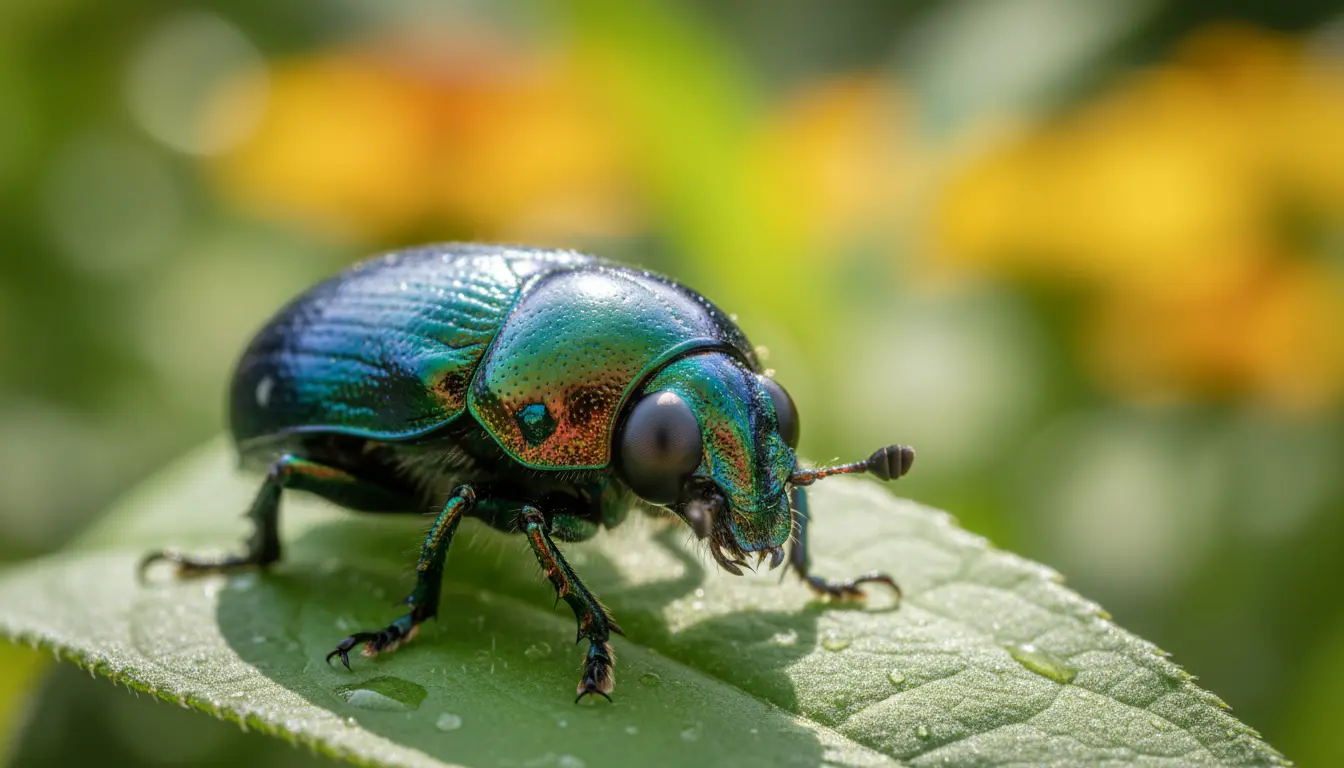
Macro photography opens a hidden world of tiny details—textures on a leaf, the compound eye of an insect, or the delicate structure of a flower petal. To capture these scenes with clarity and sharpness, you need more than just a good lens. One of the most powerful advantages a macro photographer can have today is IBIS (In-Body Image Stabilization).
In this guide, you’ll learn why IBIS matters so much at high magnifications, what to look for in a macro camera, and which camera types are best suited for serious close-up work. You’ll also see an example product suggestion you can find on Amazon.com.
Why IBIS Matters in Macro Photography
At macro distances, even the slightest movement becomes huge in the frame. A tiny handshake that goes unnoticed in normal shooting can completely blur a macro shot. This is where IBIS becomes crucial. The camera’s sensor physically moves to counteract small movements, letting you shoot:
- At slower shutter speeds
- Handheld instead of always using a tripod
- With lower ISO for cleaner images
With IBIS, you can keep your aperture stopped down (for example, f/8–f/16) to gain more depth of field without being forced into extremely high ISO values. This balance between sharpness, detail, and low noise is a key reason many macro photographers now prefer cameras with advanced stabilization systems.
Key Features to Look for in a Macro Camera with IBIS
When choosing the best macro photography camera with IBIS, don’t focus only on megapixels. Macro work has unique demands, so prioritize these features:
1. Strong IBIS System
Look for a camera with a multi-axis IBIS system (usually 5-axis) that works together with stabilized lenses if possible. The better the stabilization, the more freedom you have to experiment with available light and creative compositions.
2. High Resolution and Dynamic Range
Macro photography often involves cropping, especially when your subject is very small or moving. A higher resolution sensor gives you more flexibility in post-processing. A wide dynamic range helps preserve details in bright highlights and deep shadows, such as shiny insect wings or reflective water droplets.
3. Reliable Autofocus for Close Distances
In macro photography, focus accuracy is critical. Look for cameras with:
- Precise single-point AF
- Focus bracketing or focus stacking support
- Good performance in low light and at close focusing distances
Many macro shooters also focus manually, but having a sophisticated AF system still saves time and reduces missed shots.
4. Focus Peaking and Magnification
Manual focus is common in macro, especially with dedicated macro lenses. Cameras that offer focus peaking and magnified view in the EVF or LCD make it easier to nail focus on tiny details like insect eyes or flower stamens.
5. Robust Build and Ergonomics
Macro photography often happens outdoors, in gardens, forests, or near water. A weather-sealed body with good grip and intuitive controls is extremely helpful. Comfortable ergonomics let you concentrate on your subject rather than fighting with the camera.
Sensor Size: Full Frame vs APS-C vs Micro Four Thirds
Sensor size can influence depth of field, working distance, and lens choice in macro photography.
Full Frame Cameras
Full frame cameras provide:
- Excellent image quality and dynamic range
- Better performance in low light
- Shallower depth of field at equivalent framing
The shallow depth of field can be both an advantage and a challenge. You can create beautiful subject separation, but you may need to stop down further to keep your subject fully in focus, which makes IBIS even more valuable.
APS-C Cameras
APS-C cameras strike a balance between reach and image quality:
- Extra effective “magnification” due to crop factor
- Slightly deeper depth of field at the same f-number and framing
- Generally more compact and affordable
For many macro photographers, APS-C offers plenty of resolution and detail, especially when paired with stabilized macro lenses and good IBIS.
Micro Four Thirds Cameras
Micro Four Thirds systems are known for:
- Very effective IBIS implementations
- Smaller, lighter camera bodies and lenses
- Greater depth of field at equivalent framing
The increased depth of field can make it easier to keep small subjects sharp, while strong stabilization lets you shoot handheld at slower shutter speeds. This combination is especially attractive for field macro photography of insects and flowers.
Macro Lenses and the Role of IBIS
Even the best macro camera needs the right lens. A dedicated macro lens with a 1:1 reproduction ratio (or higher) is the most straightforward way to achieve true macro. When paired with IBIS, you get several benefits:
- Reduced shake at high magnification: The closer you focus, the more noticeable camera movement becomes. IBIS helps stabilize the sensor even when subject distance is very short.
- Cleaner images at lower ISO: You can use slower shutter speeds while maintaining sharpness, which keeps ISO low and details high.
- More flexibility in the field: You can respond quickly to changing conditions and subjects without having to build a full tripod setup every time.
For optimal results, consider lenses that also include optical image stabilization (OIS). Many modern systems can combine IBIS and OIS, creating a powerful hybrid stabilization that is especially effective in macro photography.
Practical Tips for Using IBIS in Macro Work
Even with a strong IBIS system, technique matters. To maximize sharpness:
- Use a stable stance
Hold the camera close to your body, tuck your elbows in, and gently press the viewfinder to your face if you are using one. This natural brace works together with IBIS. - Shoot multiple frames
When handholding, take a short burst of images. Often, at least one frame will be perfectly sharp, especially at slower shutter speeds. - Combine IBIS with a monopod or support
While IBIS is powerful, using it with a monopod, bean bag, or resting on a rock or tree trunk can further reduce movement and improve consistency. - Leverage focus stacking when possible
Many modern cameras support in-camera focus bracketing or focus stacking. IBIS helps keep the composition stable while the focus shifts between frames, resulting in a final image with extended depth of field. - Control your breathing
Take a breath, gently exhale, and press the shutter during the natural pause in your breathing. This simple habit can significantly improve sharpness at macro distances.
IBIS vs Tripod: Do You Still Need One?
IBIS doesn’t completely replace a tripod, but it does change how often you need one. For live subjects like insects, handheld shooting with IBIS is often the only practical choice, because:
- Subjects move constantly
- Light conditions change quickly
- Setting up a tripod can scare the subject away
For highly controlled macro work—such as product photography, jewelry, or studio still life—a tripod, macro rail, and possibly a remote shutter still offer ultimate precision. But for many photographers, a camera with powerful IBIS dramatically reduces the need for heavy support gear, making macro photography more spontaneous and accessible.
Long-Term Value of a Macro Camera with IBIS
Investing in a camera with a strong IBIS system pays off beyond macro photography. You’ll also benefit in:
- Low-light handheld shooting
- Travel and landscape photography
- Video work where stabilized footage is essential
For creatives who want one flexible setup for close-up work, everyday shooting, and even content creation, a macro-capable camera with IBIS offers excellent long-term value and creative freedom.
Amazon
As an example of a macro-friendly setup you might find on Amazon.com, consider a mirrorless camera body with 5‑axis IBIS combined with a dedicated 1:1 macro lens from the same system. Look for a kit that clearly mentions:
- In-body image stabilization
- A true macro lens (1:1 reproduction ratio)
- High resolution sensor
- Support for focus bracketing or stacking
Checking user reviews specifically for macro performance will help you confirm that the camera and lens combination performs well for close-up work.