
The Ultimate Guide to Motorcycle Helmet Cameras: Recommendations and Mounting Tips for Every Rider
Motorcycle adventures offer unparalleled freedom, but capturing those moments requires the right gear. Whether you aim to document breathtaking scenery, enhance your safety with a “dashcam” record, or create high-quality content for social media, choosing the best motorcycle helmet camera is essential. This comprehensive guide explores the top camera recommendations and provides expert mounting tips to help you achieve professional-level results.
Why Every Rider Needs a Helmet Camera
In the modern riding landscape, a helmet camera serves two primary purposes: legal protection and creative expression. From a safety perspective, having a continuous loop recording can provide definitive evidence in the event of an accident. On the creative side, action cameras have evolved to offer stunning 4K resolution, advanced stabilization, and high frame rates that turn a simple commute into a cinematic experience.
Choosing the Right Camera for Your Needs
Not all cameras suit every rider. When selecting your device, prioritize features like battery life, weight, and ease of use with gloved hands.
1. High-End Performance: GoPro HERO13 Black
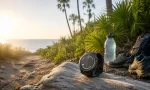
GoPro remains the industry leader for a reason. The HERO13 Black offers incredible Hypersmooth 6.0 stabilization, which eliminates the jarring vibrations common in motorcycling. Its ability to record in 5.3K ensures that your footage remains crisp even when cropped for vertical platforms.
2. 360-Degree Versatility: Insta360 X4
For riders who want to “shoot first and point later,” 360 cameras are revolutionary. The Insta360 X4 captures everything around the bike, allowing you to reframe the footage in post-production to show the road ahead, your face, or the scenery beside you.
3. Budget-Friendly Reliability: Akaso Brave 7 LE
If you are new to motovlogging, the Akaso Brave 7 LE provides a weather-sealed body and decent 4K video at a fraction of the price of flagship models. It is an excellent entry point for those focusing on safety and casual recording.
Essential Features to Consider
Before hitting the “buy” button, analyze these technical specifications:
- Electronic Image Stabilization (EIS): Motorcycle engines and wind create high-frequency vibrations. Without robust EIS, your footage will be unwatchable.
- Audio Quality and External Mic Support: Wind noise is the enemy of good audio. Look for cameras that support external microphone adapters so you can tuck a mic inside your helmet for clear voice recording.
- Battery Management: Most action cameras last between 60 to 90 minutes. Consider models with swappable batteries or the ability to charge via a USB port on your bike while riding.
Expert Mounting Tips for the Best Perspectives
Where you place your camera drastically changes the “vibe” of your footage. Here are the three most popular mounting positions:
The Chin Mount: The Gold Standard
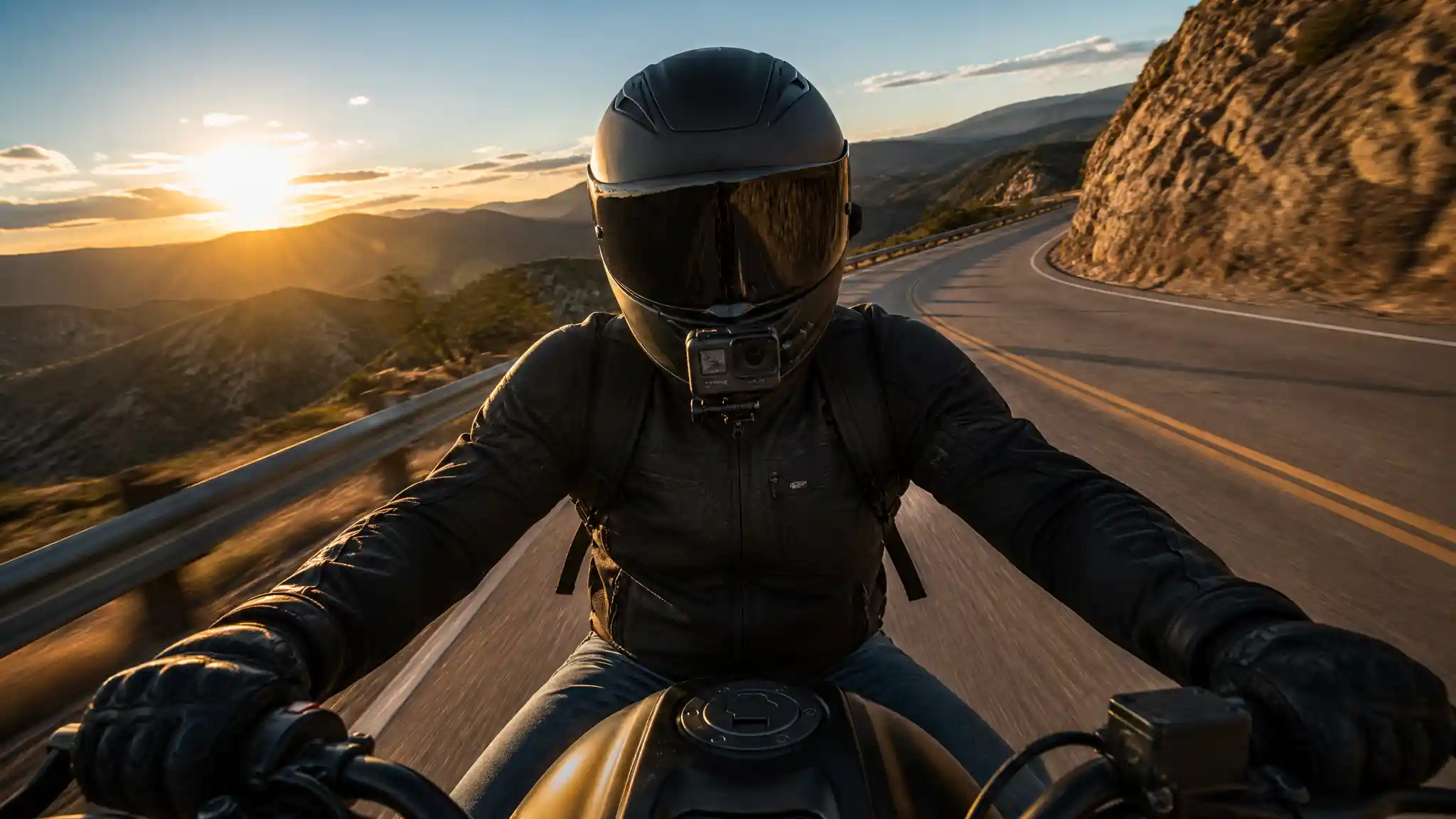
Most professional motovloggers prefer the chin mount. It provides a first-person perspective (POV) that closely mimics what the rider sees. It captures the handlebars, the speedo, and the road ahead, providing a sense of speed and immersion. Because the camera is centered, the weight distribution is balanced, reducing neck strain.
The Top Mount: The Bird’s Eye View
Placing the camera on top of the helmet offers a clear, unobstructed view of the horizon. While great for scenery, it can feel less immersive because it lacks the “human” element of seeing the bike’s controls. Be cautious of low-hanging branches and increased wind drag at high speeds.
The Side Mount: The Offset Look
A side mount is often the only option for modular (flip-up) helmets. It provides a unique perspective but can make the helmet feel “heavy” on one side. Modern software can usually correct the slight tilt, but physical alignment is key during setup.
Step-by-Step Installation Guide
To ensure your camera stays attached at highway speeds, follow these steps:
- Clean the Surface: Use an alcohol wipe to remove grease, wax, and dirt from the helmet shell.
- Heat the Adhesive: Use a hairdryer to slightly warm the 3M adhesive pad on your mount. This makes the bond significantly stronger.
- Apply Pressure: Once placed, press firmly for at least 60 seconds.
- The 24-Hour Rule: Never ride immediately after mounting. Wait at least 24 hours for the adhesive to fully cure.
- Safety Tether: Always use a small tether string. If the mount fails, the tether prevents your expensive camera from bouncing down the asphalt.
Mastering the Settings
To get the most out of your hardware, move away from “Auto” settings. For high-speed action, use a frame rate of at least 60fps; this allows you to create smooth slow-motion clips later. If you are riding through changing light conditions, such as a forest or a series of tunnels, set your ISO limit to 800 to prevent the video from becoming too grainy in the shadows.
Safety and Legal Considerations
While helmet cameras are legal in most jurisdictions, always check local regulations regarding “distractions” or “modifications to safety equipment.” Ensure the camera does not obstruct your field of vision or interfere with the helmet’s structural integrity.
Conclusion
Investing in a high-quality motorcycle helmet camera transforms your riding experience. By choosing the right gear and following precise mounting techniques, you create a digital diary of your journeys while adding an extra layer of security to every mile. Whether you are carving canyons or navigating city traffic, let the world see the ride through your eyes.
Product Recommendation from Amazon.com:
GoPro HERO13 Black – Waterproof Action Camera