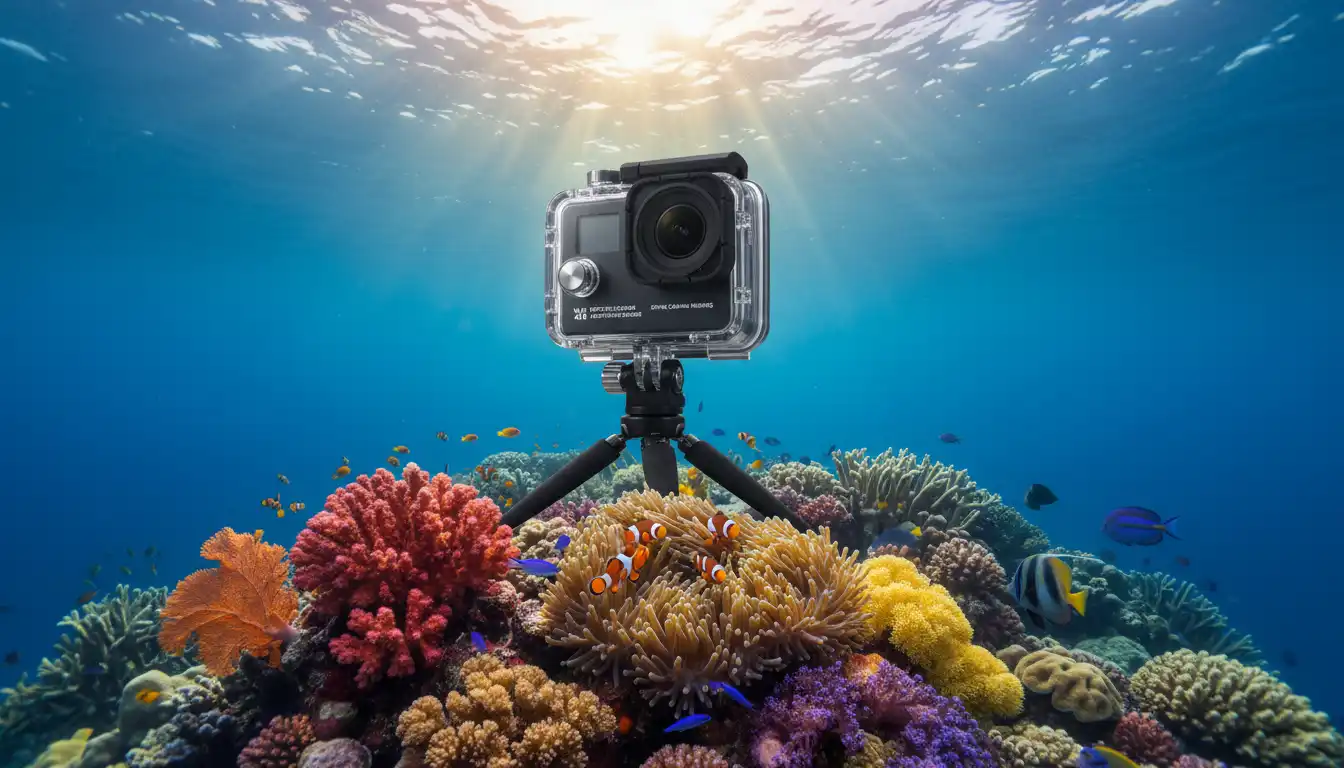

Best Action Cameras for Scuba Diving and Underwater Adventures
Scuba diving opens the door to a breathtaking world filled with colorful coral reefs, fascinating marine life, dramatic shipwrecks, and crystal-clear underwater landscapes. Whether you are an experienced diver or just starting your underwater journey, capturing those unforgettable moments requires an action camera that performs reliably beneath the surface. Choosing the right underwater camera is not only about image quality. It also involves durability, waterproof performance, battery life, stabilization, ease of use, and compatibility with diving accessories.
This comprehensive guide explains everything you should know before buying the best action camera for scuba diving and underwater adventures. You’ll also discover which features truly matter underwater and how to maximize your camera’s performance during every dive.
Why an Action Camera is Essential for Scuba Diving
Traditional cameras often struggle in underwater environments due to their size, fragility, and limited waterproof capabilities. Modern action cameras, however, are designed specifically for harsh conditions while remaining compact and lightweight.
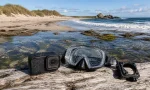
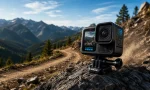
Divers appreciate action cameras because they offer:
- Excellent waterproof protection
- Compact and travel-friendly design
- High-resolution video recording
- Advanced image stabilization
- Wide-angle lenses
- Easy mounting on masks, trays, or helmets
- Reliable performance in low-light underwater environments
These features allow divers to focus on exploring instead of worrying about protecting expensive photography equipment.
Key Features to Look for in an Underwater Action Camera
Not every action camera performs equally well underwater. Before purchasing, consider the following features carefully.
Waterproof Depth Rating
One of the most important specifications is the waterproof depth rating. Many action cameras are waterproof up to approximately 10 meters without additional housing. Scuba divers often descend much deeper, making a dedicated waterproof housing essential.
A high-quality diving case can safely extend the camera’s operating depth to 40, 50, or even 60 meters.
Excellent Image Stabilization
Water movement naturally creates shaky footage. Modern electronic image stabilization significantly reduces unwanted camera shake.
Look for cameras offering advanced stabilization technology that produces smooth footage even during currents or active swimming.
High Video Resolution
A quality underwater video deserves excellent detail.
Many premium action cameras now offer:
- 4K video
- 5.3K recording
- High frame rates
- HDR video
- Slow-motion recording
Higher resolutions allow greater flexibility when editing your diving footage later.
Low-Light Performance
Sunlight fades rapidly underwater, especially below 15 meters.
A camera with strong low-light performance captures:
- Better colors
- More natural shadows
- Less digital noise
- Improved sharpness
This becomes particularly valuable during cave diving, wreck diving, or deeper recreational dives.
Battery Life
Cold water often reduces battery performance.
Choose a camera with long battery life or carry multiple fully charged batteries during dive trips.
Color Accuracy
Water absorbs red and orange wavelengths first, making underwater footage appear overly blue or green.
Many action cameras now include:
- Underwater color correction
- White balance adjustment
- Manual color profiles
These features create much more realistic underwater videos.
Best Types of Action Cameras for Diving
Several categories of action cameras fit different budgets and experience levels.
Premium Action Cameras
Premium models offer:
- Exceptional image quality
- Professional stabilization
- Advanced color processing
- Large image sensors
- Better low-light capability
They are ideal for serious divers, underwater content creators, and travel vloggers.
Mid-Range Cameras
Mid-range cameras deliver an impressive balance between affordability and performance.
Most include:
- 4K recording
- Waterproof capability
- Reliable stabilization
- Good battery life
They suit recreational divers who want excellent quality without spending a premium price.
Budget-Friendly Options
Entry-level action cameras continue improving every year.
Although they may lack advanced stabilization or larger sensors, they still produce enjoyable vacation memories for casual divers.
How to Improve Underwater Video Quality
Even the best camera benefits from proper diving techniques.
Move Slowly
Rapid movement creates blurry footage and scares marine life.
Swimming slowly allows the camera to capture sharper and more cinematic scenes.
Stay Close to Your Subject
Water reduces sharpness surprisingly quickly.
Whenever possible, reduce the distance between your camera and the subject instead of relying on digital zoom.
Use Natural Light
Morning and midday dives usually provide brighter underwater conditions.
Natural sunlight helps produce vibrant footage with richer colors.
Maintain Neutral Buoyancy
Stable buoyancy keeps your footage smooth while protecting delicate coral reefs from accidental contact.
Clean the Lens Before Every Dive
Salt residue, fingerprints, or water spots can noticeably reduce image quality.
Always inspect the lens and waterproof housing before entering the water.
Essential Accessories for Underwater Adventures
The camera itself is only part of the setup.
Useful accessories include:
- Waterproof housing
- Floating hand grip
- Dual-handle diving tray
- Underwater video lights
- Anti-fog inserts
- Extra batteries
- Large memory cards
- Red color correction filters
- Lens cleaning cloth
- Protective carrying case
These accessories improve both convenience and final image quality.
Common Mistakes Divers Should Avoid
Many beginners make avoidable mistakes that reduce video quality.
These include:
- Diving without checking housing seals
- Forgetting spare batteries
- Recording everything at maximum frame rate
- Ignoring white balance settings
- Moving the camera too quickly
- Filming from too far away
- Not rinsing equipment after saltwater dives
Avoiding these habits extends the lifespan of your equipment while improving every recording.
How to Maintain Your Action Camera After Diving
Saltwater can damage even rugged equipment over time.
After each dive:
- Rinse the camera thoroughly with fresh water.
- Allow the housing to soak briefly.
- Dry every component carefully.
- Open the housing only after it has completely dried.
- Inspect O-rings regularly.
- Replace worn seals immediately.
- Store equipment in a cool, dry location.
Consistent maintenance helps prevent leaks and extends the camera’s lifespan.
Choosing the Right Camera for Your Diving Style
Different divers prioritize different features.
Travel divers often value portability and battery life.
Technical divers may prioritize waterproof housing depth and manual controls.
Marine wildlife photographers frequently focus on image quality and low-light performance.
Content creators usually seek advanced stabilization, high-resolution recording, and professional editing flexibility.
Understanding your diving habits makes choosing the right camera much easier.
Future Trends in Underwater Action Cameras
Action camera technology continues evolving rapidly.
Emerging improvements include:
- AI-powered image enhancement
- Larger image sensors
- Better underwater autofocus
- Improved battery efficiency
- Enhanced dynamic range
- More accurate underwater color science
- Smarter voice controls
- Faster wireless file transfers
These innovations make underwater photography increasingly accessible for recreational divers and professionals alike.
Final Thoughts
Finding the best action camera for scuba diving and underwater adventures depends on your diving experience, budget, and creative goals. A reliable underwater camera should deliver sharp image quality, dependable waterproof performance, effective stabilization, and long-lasting durability.
Rather than focusing solely on resolution, consider the complete diving experience. Waterproof depth ratings, battery performance, low-light capability, and accessory compatibility all contribute to better underwater photography.
Investing in the right equipment allows you to preserve incredible underwater memories while exploring coral reefs, tropical fish, sea turtles, sharks, caves, and historic shipwrecks with confidence.
Recommended Product on Amazon
A highly recommended option available on Amazon.com is the “GoPro HERO13 Black.” It offers outstanding image stabilization, excellent 5.3K video quality, strong low-light performance, and—with the appropriate dive housing—is an excellent choice for scuba diving and underwater adventures.