
Discovering Coastal New York Through the Lens of Underwater Photography
Planning a getaway along the dramatic shorelines of the Empire State brings unexpected surprises for ocean lovers and water sports enthusiasts. From the historic surf culture of Rockaway Beach and the peaceful coves of Montauk Point to the family-friendly stretches of Fire Island and Jones Beach, New York boasts vibrant coastal scenes. While many travelers bring standard smartphones to capture sunbathing and sunsets, packing dedicated waterproof imaging gear elevates your travel memories to professional levels. Navigating the unique marine environment of the North Atlantic requires robust equipment capable of handling shifting tides, cold temperatures, and diverse aquatic life.
The Atlantic coast of New York presents distinct conditions that contrast sharply with tropical reef destinations. The waters around Long Island and outer New York Harbor feature rich nutrient mixes, sandy bottoms, and seasonal visibility variations. A reliable action camera or rugged compact device ensures that your surfing sessions, snorkeling adventures, kayak tours, and casual ocean dips remain preserved in ultra-high definition without risking water damage. Selecting the right companion device demands an understanding of depth ratings, image stabilization, low-light sensitivity, and salt-resistant construction.
Why Ocean Explorers Need Dedicated Waterproof Gear in New York
Coastal New York offers diverse water activities that push standard consumer electronics past their structural limits. Surfers riding breaks at Ditch Plains in Montauk demand compact gear that mounts securely to boards or chest harnesses while withstanding violent wave impacts. Stand-up paddleboarders gliding across Peconic Bay benefit from wide-angle lenses that document both the coastal skyline and submerged schools of fish. Standard mobile devices housed in generic plastic pouches often suffer from screen unresponsiveness in salty spray and condensation buildup under direct sunlight.

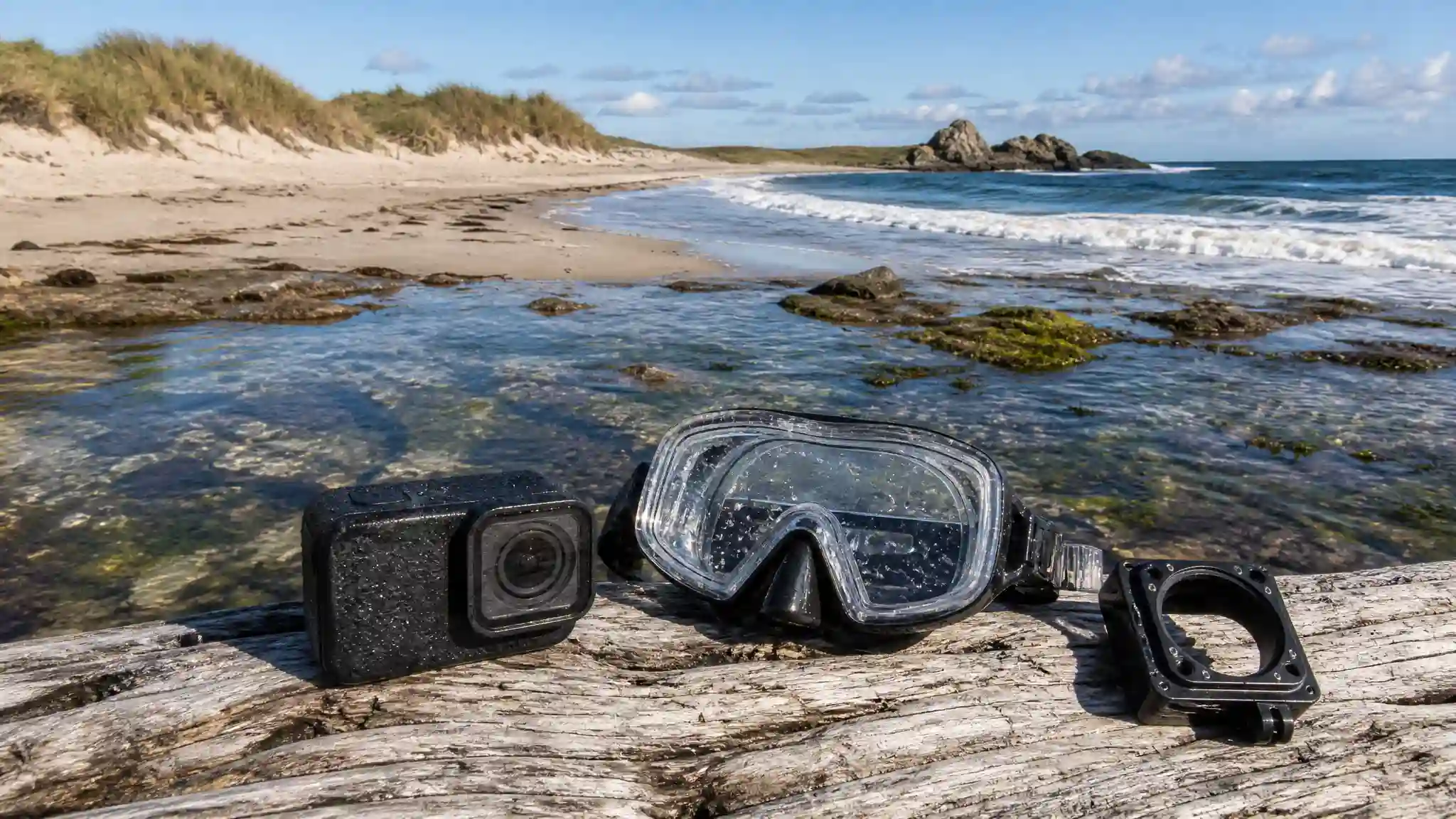
Dedicated underwater devices incorporate reinforced polycarbonate frames, dual waterproof seals, and hydrophobic glass coatings that repel ocean water drops immediately upon surfacing. These units eliminate the fear of accidental drops into deep channels and endure abrasive sand particles churned up by crashing shore breaks. Optical sensors specifically calibrated for aquatic environments adjust dynamic range automatically to balance dark ocean depths with glaring Atlantic surface sunlight.
Essential Features for Atlantic Coastline Recording
Evaluating imaging equipment for New York coastal getaways requires prioritizing specifications that match regional marine realities. North Atlantic waters naturally scatter ambient sunlight faster than clear equatorial lagoons, making optical performance a critical buying factor.
1. Sensor Resolution and Low-Light Capabilities
Water acts as an optical filter that absorbs red light wavelengths within the first few meters of depth. High-performance models utilize back-illuminated sensors and specialized color-correction algorithms that restore natural blues and greens. Large image sensors maintain crisp contrast and minimal grain during morning snorkeling expeditions or overcast beach days along the Long Island Sound.
2. Advanced Electronic Image Stabilization
Ocean currents, tidal swells, and sudden wave breaks introduce substantial motion blur to handheld recordings. Leading digital devices feature horizon-leveling stabilization systems that maintain smooth, cinematic perspectives even when swimming against strong Atlantic rips or carving Atlantic rollers on a surfboard.
3. Rugged Housing and Depth Protection
A device should deliver native depth resistance without requiring an external protective case for standard recreational depths. Look for housings certified to at least thirty-three feet for worry-free surfing and snorkeling, while advanced divers venturing to historic Long Island shipwrecks can add auxiliary pressure housings for deeper underwater exploration.
4. Battery Longevity in Cold Marine Temperatures
Atlantic waters remain brisk well into early summer. Cold water drains standard lithium batteries at accelerated rates. Selecting equipment equipped with specialized cold-weather endurance cells ensures uninterrupted shooting during long day trips along the barrier beaches.
Practical Tips for Capturing Atlantic Marine Life and Surf
Getting stunning underwater shots along New York shores requires practical fieldwork and environmental awareness. To maximize clarity around Montauk or the Rockaways, plan your water excursions around slack high tide when oceanic water flows in clean and settled. Early morning hours minimize surface turbulence caused by afternoon thermal breezes.
Position yourself with the sun behind your back to allow natural daylight to illuminate marine flora, striped bass, bluefish, and horseshoe crabs navigating shallow tidal flats. Maintain slow, deliberate movements while swimming to avoid disturbing sandy bottoms, which rapidly degrades visibility. After every session in Atlantic surf, thoroughly rinse your equipment in fresh tap water to prevent salt crystallization around door latches, microphone ports, and lens rings.
Selecting the Ideal Marine Recording Companion
Travelers balancing beach lounging with intense water sports require an agile device that transitions seamlessly from dry boardwalks to crashing breakers. Modern action cams provide intuitive touchscreen interfaces, voice command support for hands-free surfing captures, and front-facing preview screens that make coastal vlogging effortless. Choosing gear with versatile mounting ecosystems allows quick attachment to kayak decks, snorkel masks, selfie poles, and bodyboards.
Recommended Product from Amazon.com
The premier recommendation for coastal New York travel is the GoPro HERO13 Black Waterproof Action Camera. Available on Amazon.com, this flagship model features native waterproof construction down to thirty-three feet, industry-leading HyperSmooth 6.0 stabilization with 360-degree Horizon Lock, and outstanding 5.3K video recording. Its cold-resistant Enduro battery handles Atlantic ocean temperatures reliably, while hydrophobic lens glass prevents water drops from ruining surf footage.