
GoPro Hero 13 Black: Is the Stabilization Really Better?
If you film action, travel, sports, or everyday movement, stabilization can decide whether your footage looks professional or frustrating. That is why the biggest question around the GoPro Hero 13 Black is simple: is the stabilization really better, or is it just another small annual update?
The short answer is yes, the GoPro Hero 13 Black does improve stabilization in ways that many users will notice. But the better answer depends on how you shoot. If you mostly film in bright daylight, use smooth body movement, and already own a recent GoPro, the difference may feel subtle. If you shoot rough terrain, handheld walking shots, or fast-changing scenes, the upgrade becomes easier to appreciate.
GoPro has built its reputation on strong action camera stabilization, and the Hero 13 Black continues that direction with more refined processing, steadier framing, and more reliable results in motion-heavy environments. It does not reinvent stabilized footage overnight, but it makes the camera feel smarter and more confident in demanding situations.

Why Stabilization Matters More Than Resolution
Many buyers focus first on resolution numbers like 5.3K video or frame rate options. Those specs matter, but they do not save shaky footage. A high-resolution clip still looks amateur if every step produces visible bounce or micro-jitters. Stabilization fixes the viewing experience first. It makes motion feel intentional instead of chaotic.
That matters even more today because creators use action cameras for more than extreme sports. People now use GoPros for travel videography, casual vlogging, family trips, walking tours, driving footage, and behind-the-scenes content. In all of these cases, stabilization shapes how polished the final result feels.
The Hero 13 Black seems designed with that broader audience in mind. It still serves athletes and outdoor users, but it also works harder for everyday creators who want clean clips without carrying a gimbal. That shift is important because many buyers now expect a GoPro to act as a compact vlog camera as well as a rugged sports tool.
What Feels Better on the Hero 13 Black
The biggest gain is not always dramatic “wow” stabilization in a side-by-side test. Instead, the improvement often shows up in consistency. The Hero 13 Black produces smoother clips across a wider range of movement patterns, especially when motion becomes unpredictable.
For example, when filming handheld walking shots, older cameras could smooth the big jolts but still leave behind tiny corrections that made the image feel nervous. The Hero 13 Black does a better job of reducing those subtle disturbances. The result looks more natural and less digitally forced.
GoPro’s HyperSmooth stabilization also feels more dependable when your pace changes suddenly. If you go from walking to jogging, turn quickly, or descend uneven terrain, the camera adapts with less visible hesitation. That makes the footage easier to use straight out of the camera.
Another key area is horizon lock. This feature already helped previous GoPros create polished action footage, but the Hero 13 Black appears more stable when your body angle shifts aggressively. Whether you lean into a trail, ride through curves, or move through tight spaces, the camera holds the frame with greater confidence.
Real-World Use: Where the Difference Actually Shows
The best way to judge stabilization is not by spec sheets. It is by real shooting scenarios. That is where the Hero 13 Black starts to justify the conversation around it.
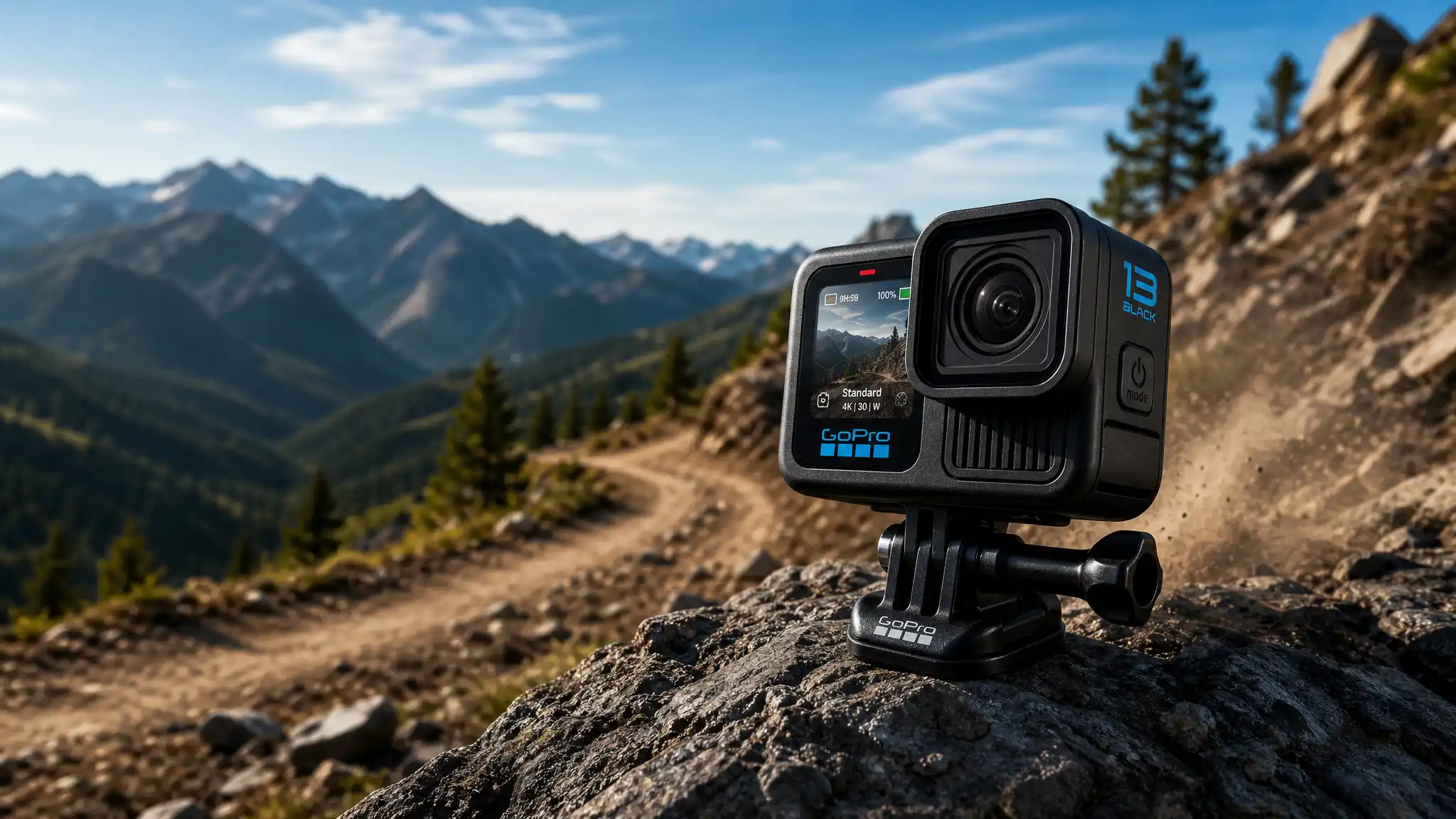
If you record mountain biking footage, you will likely notice the improvement quickly. Trails create repeated vibration, sudden turns, and uneven impacts. The Hero 13 Black smooths those movements more effectively while keeping the shot usable. It does not erase physics, but it reduces visual fatigue.
If you shoot while hiking or city walking, the camera also performs better during longer takes. That matters for travel creators who want immersive point-of-view clips. Strong stabilization helps viewers stay engaged instead of distracted by constant movement.
Even creators who record vehicles, skating, skiing, or casual outdoor scenes will benefit from improved image stabilization test performance in mixed conditions. The camera feels more balanced when motion becomes layered. Instead of reacting late, it seems to predict and manage movement more smoothly.
This is also useful when filming slow motion recording clips. Slow motion can make shake less obvious in some cases, but it can also exaggerate awkward movement if the original capture feels unstable. Cleaner stabilization gives slow-motion footage a more cinematic and controlled look.
Is It Better Than the Hero 12 Black?
This is where expectations matter. If you currently use the Hero 12 Black, the Hero 13 Black does not make your old camera look broken. The Hero 12 already offered excellent stabilization for most users. So the upgrade is not a night-and-day transformation.
However, the Hero 13 Black does appear better in edge cases. It manages erratic movement more gracefully. It looks steadier when you shoot with less ideal technique. It also seems to maintain better composure when environmental conditions become more challenging.
That difference may sound small, but for serious creators, small improvements add up. A camera that saves more clips and requires less correction in editing can improve workflow over time. If you shoot frequently, even modest gains become meaningful.
Users upgrading from older generations will see the improvement more clearly. If you are coming from a Hero 10 or earlier, the Hero 13 Black will feel like a substantial step forward in overall steadiness, framing reliability, and processing confidence.
Low Light Still Changes the Story
No action camera escapes the laws of sensor size. Stabilization may improve, but low-light video remains a more difficult challenge. When lighting drops, cameras often need slower shutter behavior or more aggressive processing. That can affect how smooth footage looks and how much detail remains.
The Hero 13 Black handles stabilization well, but low light still reduces the gap between “great” and “good.” In darker scenes, you may notice softer detail, more visible grain, or less natural motion rendering. Stabilization can help keep the frame steady, but it cannot fully replace better lighting.
This is why dynamic range and exposure balance still matter. If the camera struggles to separate shadows and highlights at night, stabilized footage may look steady but not especially clean. So yes, stabilization improves, but your best results will still come in decent lighting.
For evening street scenes, indoor travel clips, or night rides, expectations should stay realistic. The Hero 13 Black helps, but it does not magically turn a small action camera into a full-size cinema system.
How Software and Accessories Influence Results
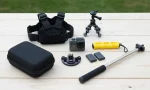
Stabilization never works alone. Your settings, mounting position, movement style, and accessories all affect the final clip. That is why some users will see a bigger benefit than others.
For example, lens mod compatibility can expand shooting flexibility, but it can also influence framing and movement feel. A wider perspective often makes stabilization appear stronger because the motion looks less exaggerated. That can be a practical advantage for fast action or POV use.
The camera’s internal processing also relies on motion data, sometimes discussed in relation to gyro data workflows. Better stabilization often comes from smarter interpretation of movement, not just stronger cropping. That is part of why newer GoPros feel more polished even when they follow similar core concepts.
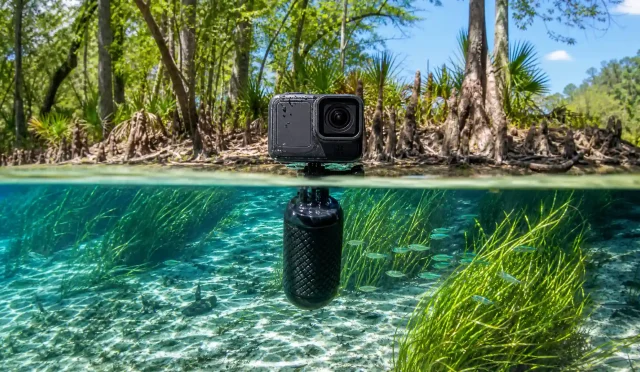
And of course, the GoPro remains a waterproof action camera, which means many people use it in physically demanding places where a phone would struggle. Surf, mud, rain, snow, and dust all create movement challenges. In that context, even an incremental stabilization boost carries real value.
Should You Upgrade for Stabilization Alone?
If stabilization is your number one buying factor, the answer depends on your current setup.
If you use an older GoPro and regularly shoot active footage, the Hero 13 Black makes a strong case. You get smoother clips, better consistency, and more confidence in high-motion scenes. For creators who shoot weekly, that improvement can be worth the jump.
If you already own the Hero 12 Black, the decision gets more personal. Upgrade if you shoot professionally, need the cleanest possible footage, or often work in rough environments where every improvement matters. Wait if your current footage already satisfies your needs and you rarely push the camera hard.
For beginners, the Hero 13 Black is appealing because it reduces the need for extra gear. Many users will not need a separate gimbal for everyday use. That makes it a practical camera for creators who want quality with less setup friction.
Final Verdict: Is the Stabilization Really Better?
Yes, the stabilization on the GoPro Hero 13 Black is really better. The improvement is not marketing fiction, and it is not limited to lab tests. It shows up in real usage, especially in action-heavy, handheld, and unpredictable shooting situations.
What makes the upgrade meaningful is not just raw smoothing power. It is the way the camera delivers steadier footage more consistently. It handles fast transitions better. It keeps framing under control. It supports creators who want usable footage with less effort.
Still, the improvement is evolutionary, not revolutionary. If you already use a recent GoPro, expect refinement rather than a complete leap. If you come from an older model or demand dependable stabilization for sports, travel, or daily content, the Hero 13 Black feels like a smart and practical step forward.
In the end, the Hero 13 Black proves that stabilization still matters more than flashy numbers. A camera that keeps your story smooth, clear, and watchable will almost always beat one that only looks better on paper.