
The Ultimate Guide to the Best Wearable Technology for Night Shift Workers
Working while the rest of the world sleeps presents a unique set of physiological and psychological challenges. The human body is naturally programmed to follow a circadian rhythm, an internal clock that regulates sleep-wake cycles based on light exposure. When you flip this schedule, you risk “Shift Work Disorder,” chronic fatigue, and long-term health issues. Fortunately, the rapid advancement of wearable technology in 2025 and 2026 has provided night shift professionals with powerful tools to reclaim their health. This article explores how modern wearables help manage sleep, monitor recovery, and optimize performance during the graveyard shift.
Understanding the Circadian Challenge
The primary struggle for any night shift worker is the misalignment between their biological clock and their environment. Melatonin, the hormone responsible for sleep, typically peaks during the dark hours. When you work at night, artificial light suppresses this hormone, while daytime sunlight makes it difficult to achieve deep, restorative sleep after your shift.
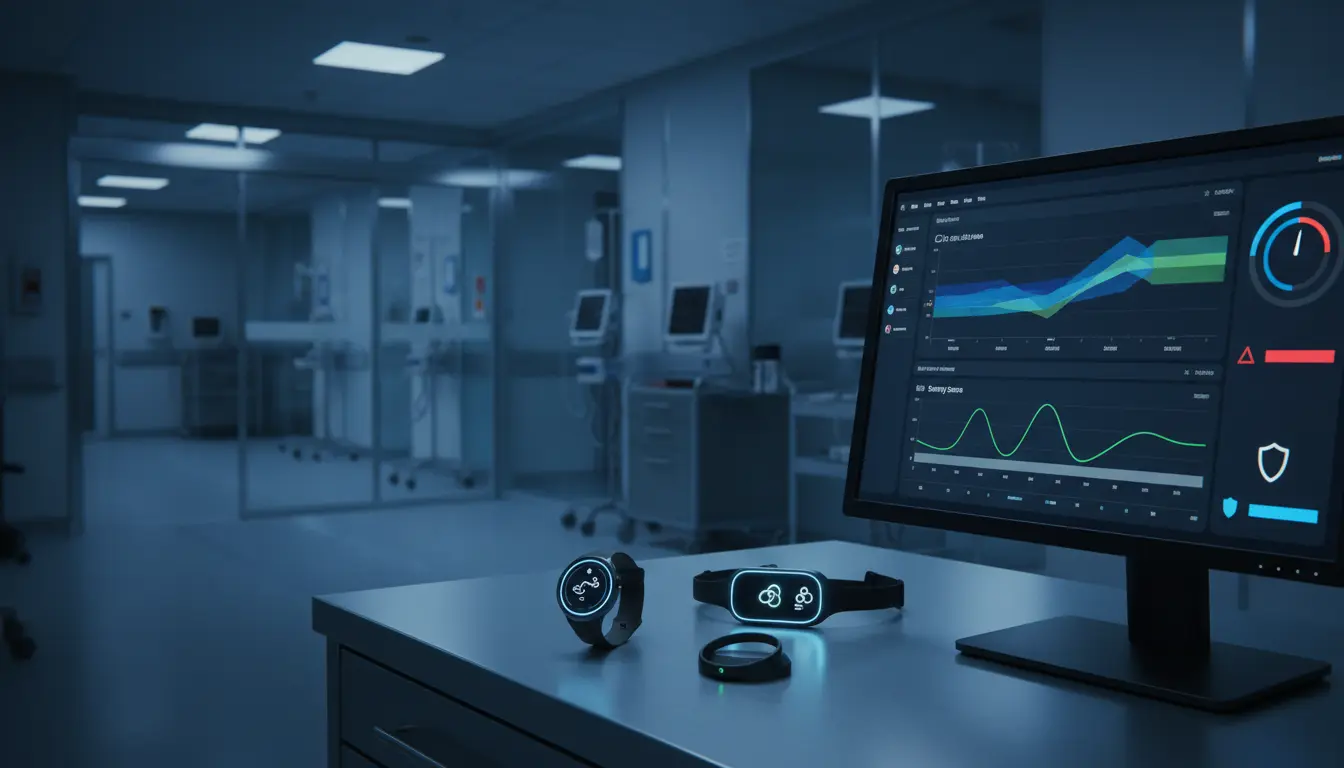
Wearable devices now go far beyond simple step counting. They utilize advanced biometrics to track Heart Rate Variability (HRV), blood oxygen levels (SpO2SpO_2SpO2), and skin temperature. For a nurse, security guard, or factory worker, these metrics act as an early warning system for burnout and exhaustion. By analyzing these data points, wearables provide actionable insights into when you should consume caffeine, when to seek bright light, and exactly when your body is primed for “daytime” rest.



Advanced Sleep Tracking and Coaching
Standard sleep tracking tells you how long you slept; advanced wearable technology tells you how well you recovered. For night shift workers, the quality of REM and Deep Sleep is often compromised due to noise and light pollution during the day.
Modern smartwatches now feature “Sleep Coaching” programs. these systems analyze your sleep patterns over several weeks and assign you a “Sleep Animal” or a specific profile. They then provide a tailored plan to improve your sleep hygiene. For instance, if the watch detects high stress levels before your scheduled sleep time, it might suggest guided breathing exercises or a specific wind-down routine. This level of personalization is crucial for someone whose “bedtime” is 8:00 AM.
The Power of the Energy Score
One of the most significant innovations in recent wearable tech is the “Energy Score” or “Readiness Score.” This metric synthesizes your previous night’s sleep, recent physical activity, and resting heart rate into a single number.
For a night shift worker, checking this score upon waking up is vital. If your Energy Score is low, it indicates that your body hasn’t fully recovered from the previous shift. This insight allows you to adjust your intensity for the upcoming night, perhaps opting for more frequent short breaks or increasing your hydration. It moves health management from reactive to proactive, helping prevent the “brain fog” that often leads to workplace accidents during the early morning hours.
Monitoring Cardiovascular Health and Stress
Night shifts put additional strain on the cardiovascular system. Chronic sleep deprivation can lead to elevated resting heart rates and hypertension. High-end wearables now include FDA-cleared ECG (Electrocardiogram) features and continuous blood pressure monitoring (in specific regions).
By tracking your heart rate throughout a 12-hour shift, you can identify specific triggers that cause stress spikes. Active monitoring allows you to implement “micro-meditations” or movement breaks when the device detects sustained high-stress levels. Furthermore, the inclusion of SpO2SpO_2SpO2 monitoring ensures that your breathing remains consistent during sleep, which is essential for identifying sleep apnea—a condition more prevalent among shift workers.
Staying Connected and Safe
Safety is a paramount concern for those working late-night hours, especially in isolated environments. LTE-enabled smartwatches allow workers to stay connected without needing their smartphones constantly in hand. Features like “Fall Detection” and “Emergency SOS” provide a safety net. If a worker slips or experiences a medical emergency, the watch can automatically notify emergency services and shared contacts with precise GPS coordinates.
Integrating Fitness into a Shift Schedule
Maintaining a fitness routine is notoriously difficult when your schedule changes. Wearables act as a “Running Coach” and personal trainer that lives on your wrist. They can suggest workouts based on your current recovery state. If you are exhausted, the AI coach might suggest a light walk instead of a high-intensity interval training (HIIT) session. This prevents overtraining and ensures that exercise contributes to your health rather than depleting your limited energy reserves.
The Role of AI and Predictive Analytics
As we move further into 2026, AI integration has become the backbone of wearable tech. These devices no longer just record data; they predict trends. An AI-powered wearable might notice that your resting heart rate has been rising for three consecutive days and warn you that you are at risk of falling ill. For a night shift worker, this means they can take a preventative rest day before a total physical collapse occurs.
Choosing the Right Device
When selecting a wearable for night shift work, durability and battery life are non-negotiable. You need a device that can survive a demanding 12-hour shift and still have enough power to track your sleep during the day. Materials like titanium and sapphire crystal ensure the device withstands the bumps and scrapes of industrial or medical environments.
Conclusion
Wearable technology has evolved into an essential survival tool for the modern night shift worker. By bridging the gap between our ancient biological needs and the demands of a 24/7 economy, these devices empower individuals to take control of their health. Whether it is through precision sleep coaching, real-time stress monitoring, or predictive energy scoring, the right wearable makes the “unnatural” schedule of night work sustainable and much healthier.
Samsung Galaxy Watch Ultra (2025) 47mm LTE Smartwatch
This premium device features a Titanium Casing and offers Advanced Sleep Coaching, a dedicated Running Coach, and a comprehensive Energy Score. It is the ideal companion for night shift professionals who need robust Heart Rate Tracking, GPS, and a 2-year warranty for peace of mind.