
Home Cleaning Robots 2.0: New Features and Innovations for Modern Living
Why “2.0” Actually Matters
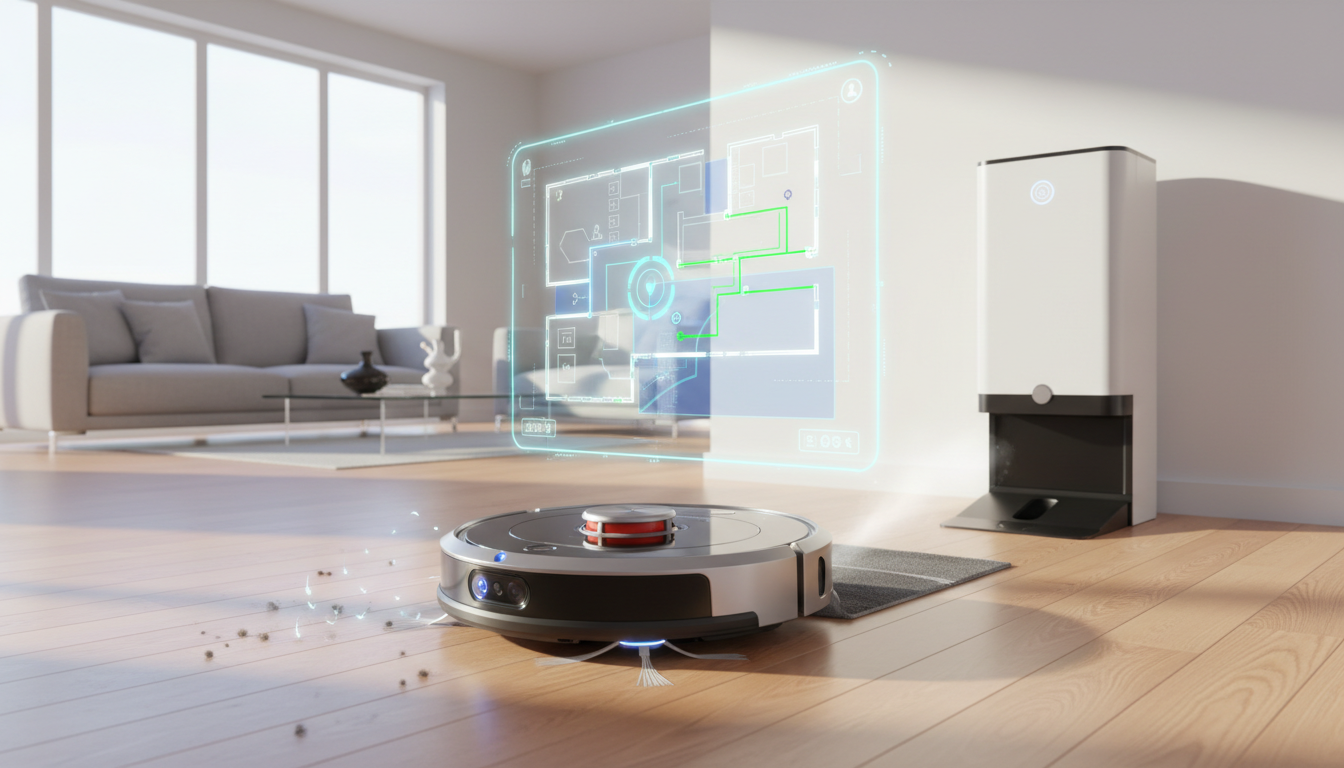
Home cleaning robots 2.0 don’t just move more intelligently; they behave more intelligently. Earlier generations of robotic vacuum cleaners focused on basic coverage—bump, turn, repeat. Today’s models act like coordinated automated cleaning systems that learn your layout, adapt to your routines, and reduce the small frictions that used to make robot ownership annoying (stuck brushes, messy bins, confusing maps, loud motors).
In a modern home, time and attention are limited resources. That’s why the newest wave of smart home cleaning devices targets three outcomes: cleaner floors with fewer passes, less human maintenance, and better integration with the way people already live—work calls, pets underfoot, kids dropping crumbs, and busy schedules that change weekly.
What follows is a practical look at the biggest upgrades driving this shift, and how these inventions change everyday cleaning—without the hype.
1) Smarter Brains: AI That Improves Coverage (Not Just Marketing)
The strongest leap forward is AI-powered floor cleaning that’s actually observable in day-to-day use. Instead of repeating the same pattern regardless of conditions, robots now:
- Recognize rooms and boundaries more accurately
- Detect dirtier zones and spend more time where it matters
- Adjust behavior after encountering repeated obstacles (like chair legs or tight corridors)
This matters because the best cleaning robot is the one you don’t need to babysit. Modern AI reduces “rescue missions” (unsticking, remapping, or restarting), and it improves consistency—especially in homes with clutter, frequent rearranging, or mixed flooring.
2) Intelligent Mapping Technology: Faster Maps, Better Room Logic
High-end models rely on intelligent mapping technology that creates stable, editable maps. In practice, this means you can:
- Label rooms correctly (kitchen vs. hallway)
- Set schedules by room (daily kitchen, weekly bedrooms)
- Save multiple maps (useful for multi-story homes)
More importantly, good mapping reduces wasted movement. When a robot understands the home, it stops re-cleaning the same strip five times and missing the corner behind the sofa once. You get a more even result, and the robot finishes sooner.
3) Advanced Obstacle Avoidance: Less “Robot Chaos”
Navigation used to be “good enough” until it wasn’t—cords, socks, pet toys, and low furniture could turn a cleaning run into a failure. Now many robots deliver advanced obstacle avoidance using combinations of sensors, cameras, and structured light.
The benefit is simple: the robot keeps going. It avoids tangles and collisions, protects furniture legs, and reduces the chance that it drags something across the room. For real households, that reliability often matters more than raw suction numbers.
4) Self-Emptying Robot Vacuums: The Upgrade That Changes Habit
People love the idea of robots but hate the maintenance. Self-emptying robot vacuums fix the biggest pain point: emptying the bin after every run (especially if you have pets or carpets).
A self-empty dock automatically transfers debris into a larger sealed container. That shift changes behavior. Instead of thinking, “I should empty it before I run it,” you just schedule cleaning and let it happen. In other words, automation finally feels automatic.
This also improves hygiene because you handle dust less often, and sealed collection reduces airborne debris during disposal.
5) Mopping Robots for Home: From “Wet Wipe” to Real Routine Cleaning
Mopping used to be a gimmick. Many early models simply dragged a damp pad around. Today’s mopping robots for home do more by controlling water flow, improving pad pressure, and cleaning in more deliberate patterns.
In a practical sense, modern mopping systems help with:
- Light daily grime in kitchens and entryways
- Footprints and paw prints on hard floors
- Routine maintenance between deeper manual cleans
They won’t replace every type of deep scrubbing, but they can drastically reduce how often you need to mop manually. The key is consistency: frequent, light mopping keeps floors looking better with less effort.
6) HEPA Filtration Cleaning and Health-Focused Features
Cleaning is not only visual. Dust, pollen, and pet dander affect comfort and health. Many 2.0 robots emphasize HEPA filtration cleaning to capture fine particles rather than just pushing them around.
Look for well-sealed airflow paths and strong filtration performance, because that’s where the real benefit lives. Better filtration helps especially in:
- Bedrooms (where dust accumulates)
- Homes with pets
- Allergy seasons
These improvements connect directly to broader allergen filtration systems goals: reduce triggers consistently, not occasionally. A robot that cleans frequently with strong filtration can support a noticeably fresher-feeling home.
7) Pet Hair Removal Robots: Designed for Real Fur, Not Just “Some Hair”
Pet owners often become the most demanding testers. Fur tangles brushes, fills bins, and clogs filters. Today’s pet hair removal robots tackle this with:
- Brush designs that resist tangles
- Stronger suction paths that move hair efficiently
- Better edge cleaning where fur collects
If you share your home with pets, this category isn’t just a feature—it’s the difference between “robot as helper” and “robot as expensive toy.” Modern designs aim to keep performance stable over time, not just on day one.
8) Voice-Controlled Cleaning Robots and True Smart Scheduling
Robots now fit naturally into daily routines because they connect to assistants and apps. Voice-controlled cleaning robots let you start a run while cooking, end a run when a call begins, or send the robot to clean a specific room without opening an app.
Beyond voice commands, the bigger value is smart home integration cleaning that supports:
- Room-based schedules (not just “clean everything”)
- Quiet hours
- Automatic cleaning when you leave home (where supported)
When a robot works with your existing routines, it stops feeling like another gadget to manage.
9) Energy-Efficient Cleaning Devices: Better Batteries, Smarter Power Use
Modern robots increasingly qualify as energy-efficient cleaning devices because they use power more strategically:
- They reduce suction on hard floors when high power isn’t needed
- They plan shorter paths to complete coverage faster
- They return to charge intelligently and resume without repeating large areas
This matters for both cost and convenience. Efficient robots clean more often without feeling wasteful, and they keep noise and heat lower during operation.
10) The Rise of Autonomous Floor Cleaning Solutions (What to Expect Next)
Taken together—smart mapping, obstacle avoidance, self-emptying, and reliable mopping—these products now deliver what most people originally wanted: autonomous floor cleaning solutions that run quietly in the background of life.
The next phase will likely focus on even better object recognition, more advanced dock automation (washing and drying mop pads more thoroughly), and stronger personalization. But even today, home cleaning robots 2.0 already offer a practical upgrade: they reduce decision fatigue. You don’t need to plan cleaning; you simply live, and the robot maintains the baseline.
Conclusion: A Cleaner Home With Less Mental Load
Home cleaning robots 2.0 succeed when they do two things well: clean consistently and demand less attention. The newest generation improves both sides of that equation. Better navigation and intelligent mapping technology boost results, while self-empty docks and smarter systems reduce maintenance.
If you want the biggest real-life benefits, prioritize reliability (mapping + advanced obstacle avoidance) and reduced upkeep (self-emptying robot vacuums). If you have allergies or pets, focus on filtration quality (HEPA filtration cleaning and robust allergen filtration systems) and hair-handling features (pet hair removal robots).
In modern living, the best innovation doesn’t just add features—it removes friction. Home cleaning robots 2.0 do exactly that.
Amazon.com Product Recommendation (1)
ECOVACS DEEBOT X2 OMNI — A premium pick that combines strong vacuuming, modern mapping, obstacle avoidance, mopping, and a highly automated dock system