
Phishing emails are among the most common and costly cyberthreats facing individuals and organizations today. Criminals use deceptive messages that mimic trusted brands, colleagues, or service providers to trick recipients into sharing passwords, payment details, or installing malware. In this comprehensive guide, you’ll learn how to identify phishing emails, what to do if you’ve clicked, and how to report phishing to protect yourself and your organization. The advice is practical, security-focused, and easy to implement—suitable for both beginners and experienced users.
What Is a Phishing Email?
A phishing email is a fraudulent message designed to manipulate you into taking a risky action—clicking a malicious link, opening a dangerous attachment, or entering credentials on a counterfeit website. Attackers exploit urgency, fear, curiosity, or trust to bypass your natural skepticism. These emails often spoof legitimate senders and use lookalike domains, convincing logos, and professional formatting to appear authentic.
Common phishing types include:
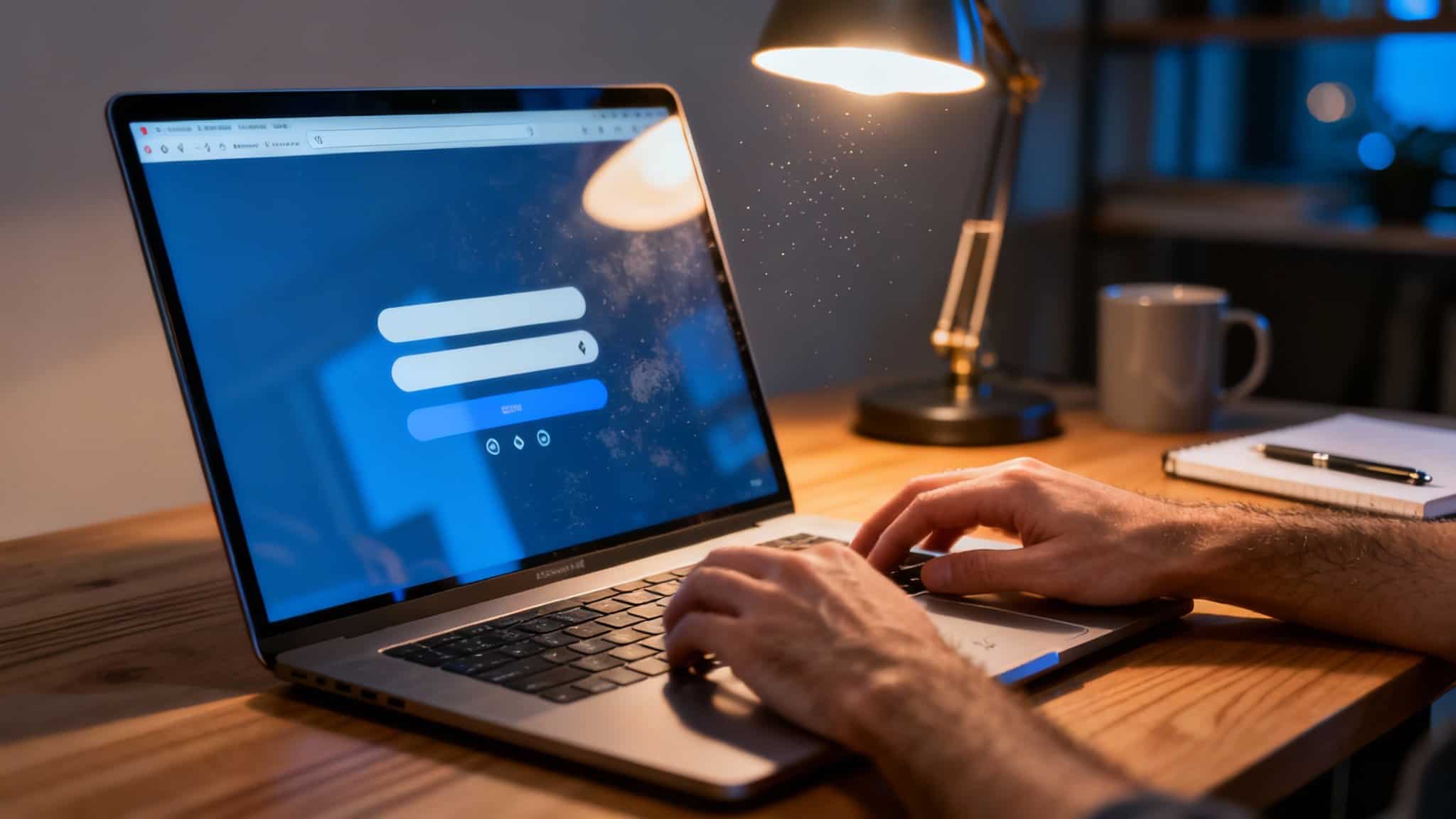
- Credential harvesting: Fake login pages for email, cloud storage, or payroll systems.
- Attachment-based malware: Invoices or resumes that install spyware or ransomware.
- Spear phishing: Highly targeted messages referencing your role, team, or projects.
- Business Email Compromise (BEC): Impersonation of executives to authorize wire transfers.
- Smishing and vishing: Phishing through SMS texts or voice calls.
How to Recognize a Phishing Email
Use this systematic checklist to assess suspicious emails:
- Sender address and domain
- Check the full email address, not just the display name. Look for subtle misspellings or extra characters (e.g., micr0soft.com, support@example.co vs support@example.com).
- Be cautious with free email domains used for “official” requests.
- Subject line and tone
- Red flags: “Urgent action required,” “Your account will be closed,” “Payment overdue,” “Unusual sign-in detected.”
- Phishing uses urgency, threats, or rewards to push quick decisions.
- Greeting and language
- Generic salutations (“Dear user,” “Dear customer”) instead of your name.
- Unusual phrasing, grammar errors, or inconsistent style compared to previous messages from the same sender.
- Links and URLs
- Hover before you click. Verify the destination domain matches the brand’s official domain.
- Watch for shortened links (bit.ly), unusual subdomains (login.security.example.com.attacker.com), or mixed character sets (homoglyphs).
- Attachments
- Unexpected invoices, ZIP files, PDFs requiring “Enable Content” or macros, or files with double extensions (Invoice.pdf.exe).
- Never enable macros from unknown sources.
- Requests for sensitive data
- Legitimate companies rarely request passwords, MFA codes, or full payment details via email.
- Beware of unusual payment methods (gift cards, crypto).
- Visual cues and branding
- Logos slightly off, low-resolution images, or inconsistent spacing.
- Mismatched sender details vs. signature block.
- Technical anomalies
- Reply-to addresses that differ from the From address.
- DMARC/DKIM/SPF failures flagged by your email client (if visible).
- Timing and context
- Out-of-hours messages from colleagues.
- Unexpected topics or requests unrelated to your current work.
- Gut check
- If something feels off, verify through a separate channel (e.g., internal chat, known phone number).
What To Do If You Receive a Suspicious Email
- Do not click links or open attachments.
- Do not reply or forward externally.
- Verify through a trusted channel: Contact the sender via a known phone number, or visit the official website by typing the domain manually.
- Capture evidence: Take a screenshot or note the sender, subject, and time if your reporting tool doesn’t auto-collect it.
How To Report Phishing
Reporting helps protect others and strengthens defenses.
- Within your organization:
- Use your email client’s “Report Phishing” button if available.
- Forward the message to your company’s security mailbox (e.g., phishing@yourcompany.com) as an attachment (use “Forward as attachment” to preserve headers).
- Open a ticket in your security portal or incident response tool with details.
- To email providers and authorities:
- Report to your email provider through its phishing reporting mechanism.
- For major brands, use their abuse or security contact pages to submit the phishing sample.
- If appropriate in your region, report to national cyber agencies or consumer protection authorities.
- Preserve email headers:
- Full headers help analysts trace the source and infrastructure used in the attack.
- Most email clients offer “View Original” or “View Message Source.”
If You Already Clicked or Entered Credentials
Act quickly to limit damage:
- Disconnect and assess
- If you downloaded or ran a file, disconnect from the network if feasible and alert IT/security immediately.
- Reset credentials
- Change the compromised password immediately and anywhere else you reused it.
- Enforce strong, unique passwords using a reputable password manager.
- Enable or reset MFA
- If you entered credentials, attackers may attempt to bypass MFA. Reset MFA factors (e.g., revoke old app tokens, re-enroll devices).
- Scan your device
- Run a full endpoint security scan and follow your organization’s incident response guidance.
- Monitor accounts
- Watch for unusual sign-ins, email forwarding rules, and suspicious financial activity.
- Remove malicious inbox rules that auto-forward or hide specific messages.
- Notify stakeholders
- Inform your security team, manager, and potentially affected partners or clients if data exposure is likely.
Organizational Best Practices to Prevent Phishing
- Security awareness training
- Conduct regular, role-based training with realistic phishing simulations.
- Reinforce a positive reporting culture—reward quick reporting.
- Email security controls
- Deploy advanced email security filters with sandboxing and attachment scanning.
- Enforce DMARC with SPF and DKIM to reduce spoofing.
- Block known malicious domains and implement URL rewriting/defang for analysis.
- Least privilege and zero trust
- Limit access rights based on role.
- Segment networks and enforce conditional access policies.
- Strong identity and access management
- Mandate MFA everywhere, preferably phishing-resistant methods (FIDO2 security keys, WebAuthn).
- Monitor for impossible travel, unusual device fingerprints, and atypical login times.
- Safer defaults
- Disable Office macros from the internet.
- Restrict executable attachments and compressed archives by policy.
- Use application allowlisting for critical systems.
- Incident readiness
- Create a clear reporting workflow and publish it internally.
- Maintain runbooks for responding to phishing incidents and credential compromise.
- Practice tabletop exercises to refine response.
Personal Best Practices for Everyday Users
- Slow down and verify: Attackers rely on urgency. Take a moment to check the sender and domain.
- Type, don’t click: For account issues, go directly to the website by typing the URL or using a bookmark.
- Keep software updated: Patch your operating system, browser, and plugins.
- Use a password manager: Prevents reuse and helps detect fake domains when autofill doesn’t trigger.
- Prefer security keys for MFA: They dramatically reduce phishing risk.
- Separate accounts: Use distinct emails for shopping, banking, and subscriptions to limit blast radius.
How to Teach Your Team a Simple 5-Second Test
- Who sent it? Inspect the real email address.
- What do they want? Money, credentials, urgency?
- Where does it go? Hover links; check the domain carefully.
- Why now? Is the timing/context odd?
- What’s next? If unsure, report it—don’t interact.
Final Thoughts
Phishing evolves constantly, but a layered defense—user awareness, strong identity controls, robust email security, and a fast reporting culture—significantly reduces risk. Treat unusual requests with caution, verify independently, and report promptly. The earlier a phishing campaign is reported, the fewer people are harmed.