
The Ultimate Guide to Hub-Free Smart Home Devices: Building a Seamless Ecosystem Without the Extra Hardware
The dream of a fully automated home used to require a complex setup involving a central “brain” or hub. For years, homeowners had to purchase expensive bridges like Samsung SmartThings or Philips Hue Bridges to make their devices talk to each other. However, the landscape of home automation has shifted dramatically. Today, you can build a sophisticated, responsive, and high-tech living space using hub-free smart home devices that connect directly to your existing Wi-Fi network or use Bluetooth and Matter protocols.
This evolution simplifies the entry point for beginners and reduces the clutter of cables and extra hardware. In this comprehensive guide, we will explore how these standalone devices work, the benefits of skipping the hub, and the best categories of products to start your journey toward a smarter, more efficient home.
Why Choose Hub-Free Smart Home Technology?
The primary appeal of hub-free devices lies in their “plug-and-play” nature. When you buy a Wi-Fi-enabled smart bulb or a smart plug, you simply screw it in or plug it into the wall, download the manufacturer’s app, and connect it to your home network. This direct connection eliminates the need for a translator (the hub) between the device and your router.



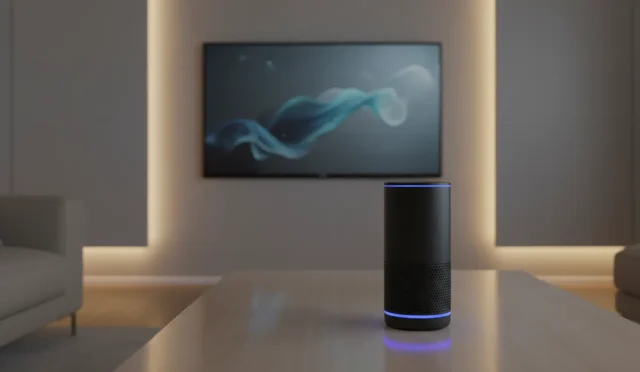
Cost-effectiveness is another major driver. By choosing devices that don’t require a bridge, you save anywhere from $50 to $150 right out of the gate. Furthermore, modern smart home ecosystems like Amazon Alexa, Google Home, and Apple HomeKit have become so advanced that they act as software-based controllers, making physical hardware hubs redundant for most standard household needs.
Essential Categories of Hub-Free Devices
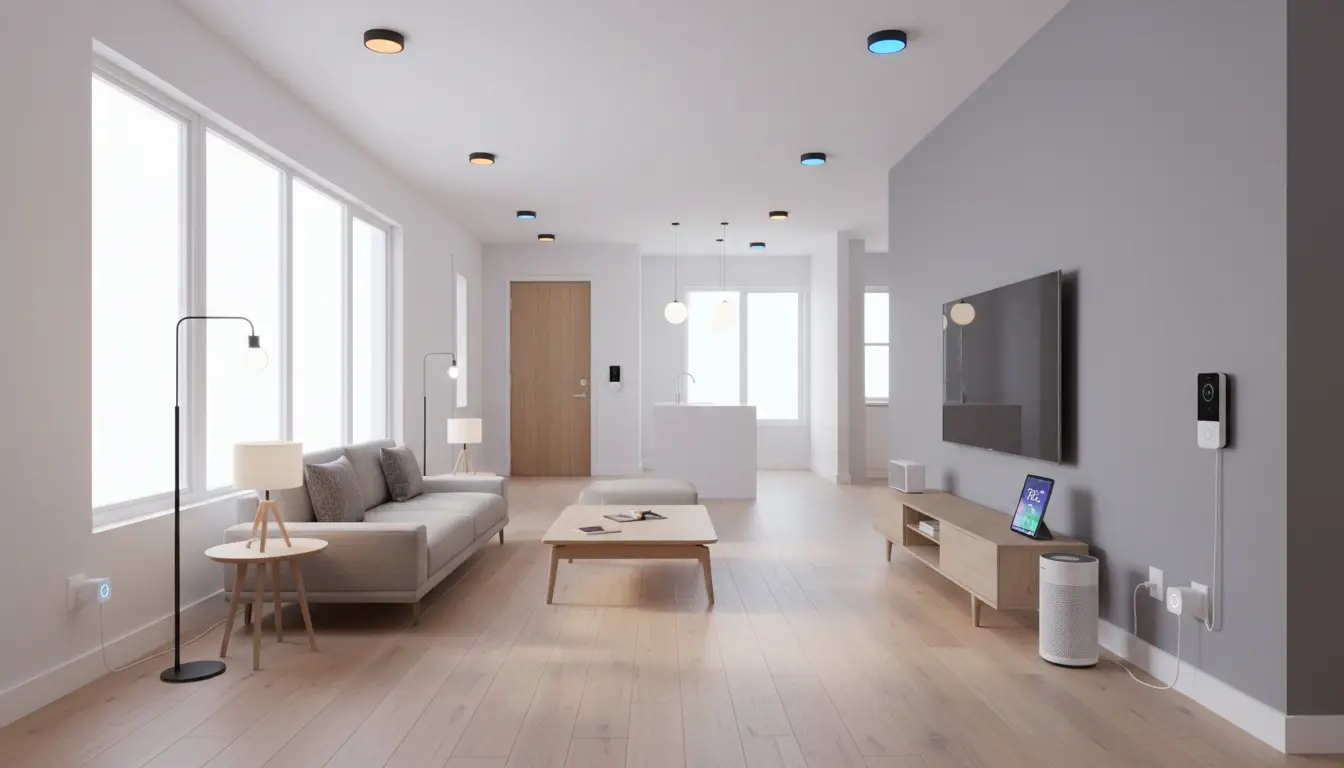
To build a cohesive system, you should focus on key areas of home life where automation provides the most value. Here are the most popular categories where hub-free options shine:
1. Smart Lighting Solutions
Smart bulbs are often the first step into automation. Brands like LIFX and TP-Link Kasa offer vibrant, energy-efficient LED bulbs that connect directly to Wi-Fi. You can control brightness, set schedules, and change colors through your smartphone or voice commands. These bulbs use the 2.4GHz Wi-Fi band to ensure a stable connection even at longer distances from the router.
2. Smart Plugs and Power Strips
By plugging your appliance into a smart outlet, you gain the ability to cut or provide power remotely. This is excellent for energy monitoring and ensuring that high-heat devices like hair straighteners are turned off when you leave the house.
3. Security Cameras and Video Doorbells
Home security has been revolutionized by hub-free technology. Devices from Wyze, Ring, and Arlo (many models) stream high-definition video directly to the cloud or your phone. They feature motion detection, two-way audio, and night vision without needing a dedicated base station, provided your Wi-Fi signal is strong enough to reach your front door or backyard.
4. Smart Thermostats
The Ecobee and Google Nest series are prime examples of high-IQ devices that manage your home’s climate independently. They learn your schedule and adjust temperatures to save on utility bills. Because they handle the heavy processing internally and connect via Wi-Fi, they don’t require an external hub to function.
The Role of Matter and Thread in a Hub-Free World
As you research smart home gear, you will likely encounter terms like “Matter” and “Thread.” Matter is a new universal communication standard that allows devices from different brands to work together seamlessly. Many new hub-free devices are Matter-compatible, meaning a bulb from one brand can trigger a sensor from another without any compatibility headaches. This protocol ensures that your investment remains future-proof and highly secure.
Optimizing Your Network for Standalone Devices
Since hub-free devices rely heavily on your router, network health is paramount. If you plan on installing 20 or 30 smart devices, a standard ISP-provided router might struggle. To maintain high performance and 95% uptime, consider upgrading to a Mesh Wi-Fi system. Mesh systems distribute the signal evenly throughout your home, preventing “dead zones” and ensuring that your smart lock at the far end of the house stays connected.
Enhancing Security and Privacy
One concern with Wi-Fi-based devices is network security. To protect your data, always change default passwords and enable two-factor authentication (2FA) on your device accounts. Many experts recommend setting up a “Guest Network” on your router specifically for smart home devices. This keeps your primary computers and phones isolated from your IoT (Internet of Things) gadgets, adding an extra layer of protection against potential vulnerabilities.
Conclusion: The Future is Independent
The shift toward hub-free smart home devices represents a democratization of technology. It allows anyone with a smartphone and a router to enhance their quality of life through automation. Whether you want to save energy, increase security, or simply enjoy the convenience of voice-controlled lighting, the current market offers a wealth of standalone options that are powerful, reliable, and easy to install.
Product Recommendation from Amazon.com
For those starting their hub-free journey, the Kasa Smart Plug Mini (EP25P4) is an exceptional choice. It supports Matter, meaning it integrates perfectly with Apple Home, Alexa, and Google Home without any extra hardware. It is compact, reliable, and offers energy monitoring features to help you track your electricity usage.