
The Mac Mini Gaming Handheld: A Bold Cyberdeck Concept
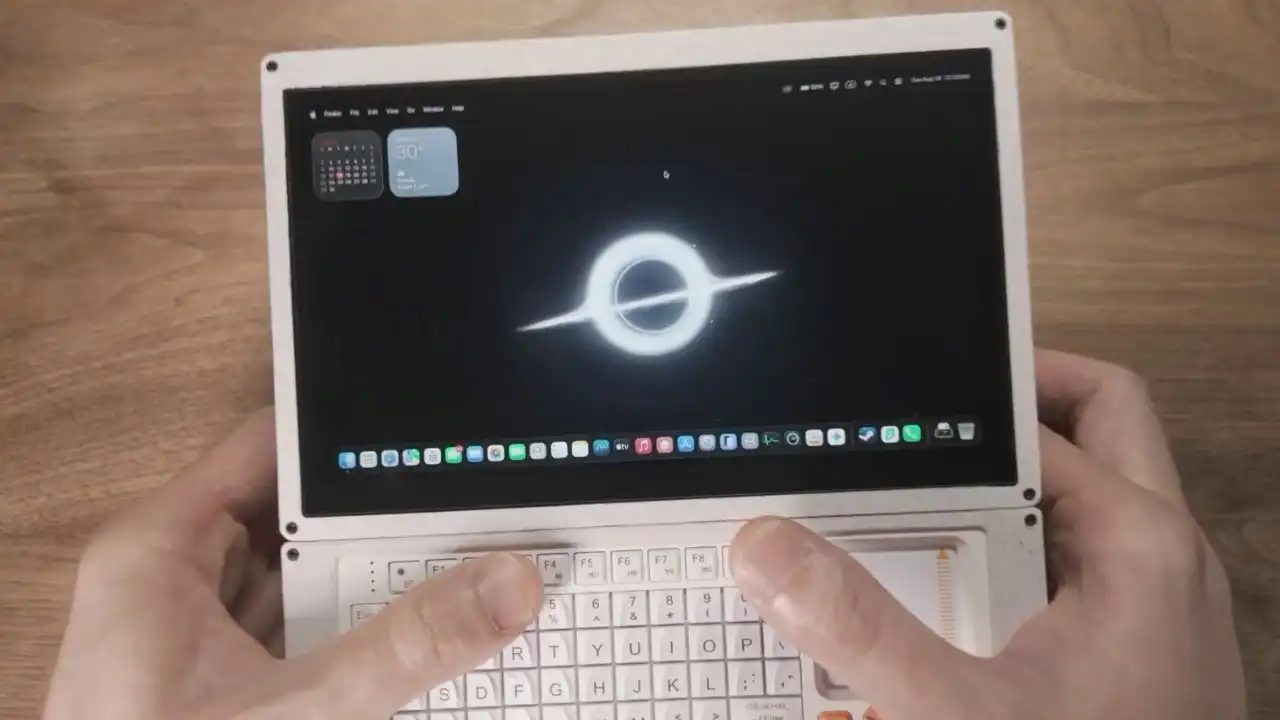
Apple’s Mac mini has always invited experimentation, but a new community-built project pushes that flexibility into surprising territory. Developed by Chris Cheng of Shring Solutions, the Mac mini gaming handheld places an M4 Mac mini inside a custom vertical enclosure with a touchscreen, keyboard, trackpad, battery system, and detachable controller support. The result is less a conventional console and more a portable cyberdeck that rethinks what a compact desktop can become.
A Desktop Mac in a Portable Form
According to the AppleInsider report, the prototype uses a seven-inch 120Hz touchscreen and a backlit keyboard with an integrated trackpad. The device runs on batteries and reportedly delivers about six hours of continuous video playback. That combination gives the project a distinctive place between a portable computer, a handheld gaming PC, and a DIY gaming console.
The design keeps the original M4 Mac mini internals intact. Instead of modifying the computer itself, Cheng created a custom 3D-printed enclosure that accepts the Mac mini like a cartridge. This approach reduces the risk of damaging Apple hardware and makes the cyberdeck easier to imagine as a reusable platform. It also demonstrates how mini PC design can support creative, unconventional use cases beyond office work or media streaming.
Handheld Gaming With a Different Philosophy
The project adds Nintendo Switch Joy-Con rails to both sides of the chassis. These rails can support mouse control, custom shortcuts, and native handheld gaming, giving the system a flexible control scheme. Unlike mainstream gaming handhelds, however, this Mac mini build does not focus solely on comfort or portability. Its goal is to combine desktop macOS functionality with the immediacy of a portable gaming device.
That ambition creates trade-offs. The prototype measures approximately 17.6 centimeters tall, 17.2 centimeters wide, and 5.7 centimeters deep. Although the footprint is relatively compact, its depth may make extended handheld sessions uncomfortable. It is therefore better understood as a portable cyberdeck for short gaming sessions, browsing, coding, and creative work than as a direct rival to a Steam Deck or Nintendo Switch.
Why the Modular Enclosure Matters
The most compelling feature may be the open cartridge-style architecture. Because the enclosure expects hardware with matching dimensions, future upgrades could be possible without rebuilding the entire body. The article suggests that newer Mac mini models may preserve the same exterior form factor, potentially allowing the chassis to remain useful across generations.
The concept could also extend beyond Apple hardware. Cheng points to possibilities such as a Raspberry Pi 5, which would transform the enclosure into a broader experimental computing platform. This modular approach gives makers a reason to study the project even if they have no interest in reproducing the exact build. It turns a single Mac mini mod into a design language for compact, upgradeable hardware.
The Challenges Behind the Build
The project is ambitious because it combines mechanical design, battery integration, display installation, input controls, and electrical engineering. AppleInsider notes that Cheng encountered several electrical problems during development, highlighting the complexity hidden behind the polished final appearance. A custom 3D-printed case also demands accurate measurements, reliable materials, and careful thermal planning.
For that reason, this is not a beginner-friendly DIY kit. Cheng does not appear to sell a ready-made package, so anyone attempting a similar build would need technical confidence, suitable tools, and a willingness to troubleshoot power and compatibility issues. The cost of a newer Mac mini could also make experimentation harder to justify.
Who Will Appreciate This Concept?
The prototype will appeal to makers, Apple enthusiasts, and gamers who value experimentation over convenience. It shows that a desktop computer does not need to remain tied to a desk when its enclosure, power delivery, and interface are redesigned thoughtfully. The touchscreen supports macOS tasks, while the keyboard and trackpad preserve productivity features ordinary consoles lack. At the same time, the controller rails create a game-focused experience. That unusual balance makes the project interesting for people who enjoy building personal technology rather than purchasing finished products.
This Mac mini gaming handheld stands out because it does not simply shrink an existing console formula. Instead, it combines portable computing, modular hardware, maker culture, and Apple’s compact desktop platform in one unusual cyberdeck. The result may be too thick for comfortable long-term gaming, but its upgrade potential and creative controls make it an inspiring proof of concept.
For readers who want a practical portable PC today, the ASUS ROG Xbox Ally Gaming Handheld is a more conventional recommendation listed on Amazon.com’s handheld PC section. It offers a purpose-built handheld format rather than requiring a custom enclosure, making it easier to use immediately. However, the Mac mini cyberdeck remains more exciting as an idea: a reminder that inventive hardware projects can challenge the boundaries of desktop and handheld computing.