
Best Backup Generators for Winter Outages in Ohio
Winter in the Buckeye State delivers unpredictable weather patterns, ranging from lake-effect blizzards off Lake Erie to crippling ice storms that coat utility lines. When heavy freezing rain snaps tree limbs and sub-zero cold waves stress the electrical grid, local power grids frequently buckle. For Buckeye State residents, losing electricity during a deep freeze represents more than a minor inconvenience; sub-freezing temperatures jeopardize home heating systems, freeze indoor plumbing pipes, and shut down essential medical devices. Choosing the correct standby power system ensures continuous security, steady warmth, and total peace of mind throughout the most punishing winter months.
Understanding Ohio Winter Power Vulnerabilities
Winter storms in central and northern regions produce heavy snow accumulations that strain overhead distribution wires. Utility crews often face icy roadways and hazardous winds, causing repair delays that stretch from hours into multiple frigid days. When your central heating system loses electrical current, indoor temperatures plummet rapidly. Water lines tucked inside exterior walls freeze, expand, and rupture, resulting in catastrophic water damage once temperatures thaw.
Basement flooding poses another severe winter danger. Snow rapidly melts during sudden temperature shifts, filling sump basins to capacity. If a blackout disables your sump pump, freezing runoff inundates your basement foundation. Reliable auxiliary power keeps your water management systems, furnace blowers, and kitchen refrigeration running without interruption.
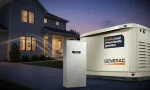
Whole-House Standby Systems Versus Portable Emergency Generators
Homeowners generally evaluate two primary categories when planning for emergency electricity: permanently installed whole-house backup units and heavy-duty portable generators. Each category offers distinct operational benefits tailored to specific household budgets and physical space requirements.
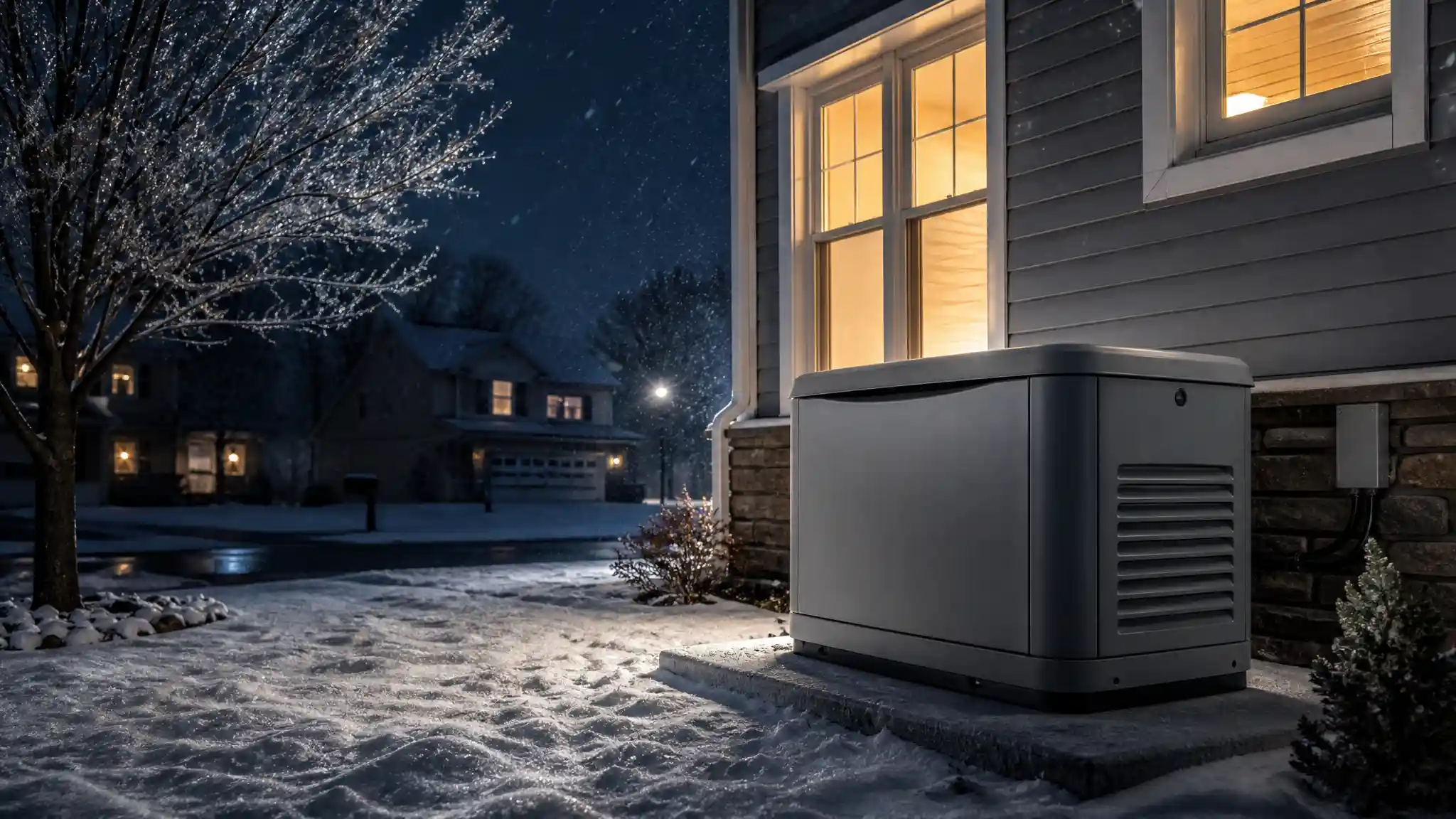
Permanently installed automatic standby power units connect directly to your residential electrical service panel through an automatic transfer switch. The moment utility lines drop voltage, the transfer switch senses the interruption, commands the generator engine to ignite, and restores critical circuits within ten to twenty seconds. These installations draw fuel directly from an existing natural gas utility line or an on-site liquid propane tank, removing the burden of manual refueling during blinding blizzards.
Portable emergency power supplies offer higher mobility and lower upfront purchase prices. These units run primarily on unleaded gasoline, portable propane cylinders, or dual-fuel configurations. While cost-effective, portable systems require manual setup in freezing conditions, heavy outdoor extension cords, and regular visits to local fueling stations. For sustained, multi-day ice storms, permanently mounted units provide unmatched autonomy.
Calculating Power Demands for Sub-Zero Temperatures
Selecting the proper equipment capacity demands an accurate evaluation of your home electrical loads. You must calculate both the running wattage, which represents the continuous energy consumed by appliances, and the starting wattage, which accounts for the momentary electrical surge required to crank electric motors.
Heating systems represent your primary priority in sub-zero conditions. A standard forced-air natural gas furnace requires modest running electricity for its circulating blower motor, typically between 600 and 1,000 watts, but demands up to 2,000 surge watts during startup. Modern heat pump systems with secondary electric resistance heat coils demand significantly greater capacities, often requiring 15,000 to 22,000 watts. Additional essential loads include your submersible sump pump, household refrigerator, exterior lighting, communications gear, and essential home medical equipment.
A mid-sized standby system rated between 18,000 and 24,000 watts safely powers an entire standard family residence, including central climate control and heavy appliances. If you select a portable backup unit, a capacity between 7,500 and 12,000 running watts comfortably energizes the furnace fan, food storage, water pumping mechanisms, and basic convenience circuits.
Fuel Accessibility During Severe Winter Emergencies
Fuel availability shifts dramatically during massive winter emergencies. Natural gas provides seamless, unmetered flow through municipal pipelines, eliminating storage degradation and mid-blizzard refueling runs. However, catastrophic seismic events or extreme pressure drops can occasionally disrupt pipeline delivery.
Liquid propane functions as an outstanding, shelf-stable fuel source that never goes stale inside dedicated storage tanks. Propane burns cleanly and handles cold conditions efficiently, though prolonged cold snaps drop tank internal pressure. Regular deliveries ahead of the winter season guarantee adequate volume.
Standard unleaded gasoline powers most budget portable engines, but it presents logistical hurdles during blizzards. Extreme cold causes ethanol blends to attract ambient moisture, gumming up carburetors. Local service stations frequently lose commercial power during wide-area blackouts, rendering fuel pumps inoperable. If you choose gasoline equipment, treat your supplies with high-grade fuel stabilizers and maintain dedicated storage containers in safe outbuildings.
Winterizing Equipment for Freezing Weather
Low temperatures create unique mechanical hurdles for internal combustion equipment. Engine motor oil thickens in sub-zero weather, creating severe friction that resists starting motors and strains battery cells.
Always equip cold-weather accessories on your residential generator before winter arrives. Oil pan heating pads and specialized engine block heaters warm lubricants, allowing starter motors to crank smoothly without draining the starting battery. Modern microprocessor-controlled battery trickle chargers preserve starter charge, preventing cold-induced battery failures. Synthetic engine oils with a 5W-30 viscosity profile flow freely at sub-zero temperatures, providing immediate lubrication upon engine crank.
Furthermore, position your outdoor generator enclosure clear of drifting snow banks and roof runoff lines. Snow accumulation around exhaust vents creates deadly back-pressure and forces dangerous carbon monoxide fumes toward window casings or soffits. Clear a five-foot clearance perimeter around the entire housing following every heavy snowfall.
Safety Considerations and Carbon Monoxide Prevention
Operating internal combustion power plants demands strict adherence to safety protocols. Generators generate high concentrations of invisible, odorless carbon monoxide gas. Never run any combustion equipment inside attached garages, enclosed porches, basements, or crawlspaces, even with exterior garage doors raised.
Mount dedicated, battery-backed carbon monoxide detectors inside every living level and near all bedroom hallways. If you utilize a portable unit, position the machine at least twenty feet away from doors, openable windows, and central air intakes, orienting the exhaust stream downwind from the residence. Always employ a professional electrician to install a dedicated manual interlock switch or an automatic transfer mechanism, which eliminates lethal utility line backfeeding that threatens repair crews working on downstream lines.
Recommended Amazon.com Product
For homeowners seeking a dependable, heavy-duty portable power source to protect against winter outages, the Champion Power Equipment 100111 12,000-Watt Dual Fuel Portable Generator with Electric Start delivers outstanding performance. This versatile powerhouse produces 12,000 starting watts and 9,375 running watts on gasoline, or 10,800 starting watts and 8,400 running watts on clean-burning liquid propane. It features a convenient push-button electric start, built-in cold-start technology designed specifically for freezing climates, and an integrated digital Intelligauge display to monitor voltage, frequency, and operating hours during critical emergency conditions.