
Small Medical Robots (Nanobots): The Future of Surgery and Drug Delivery
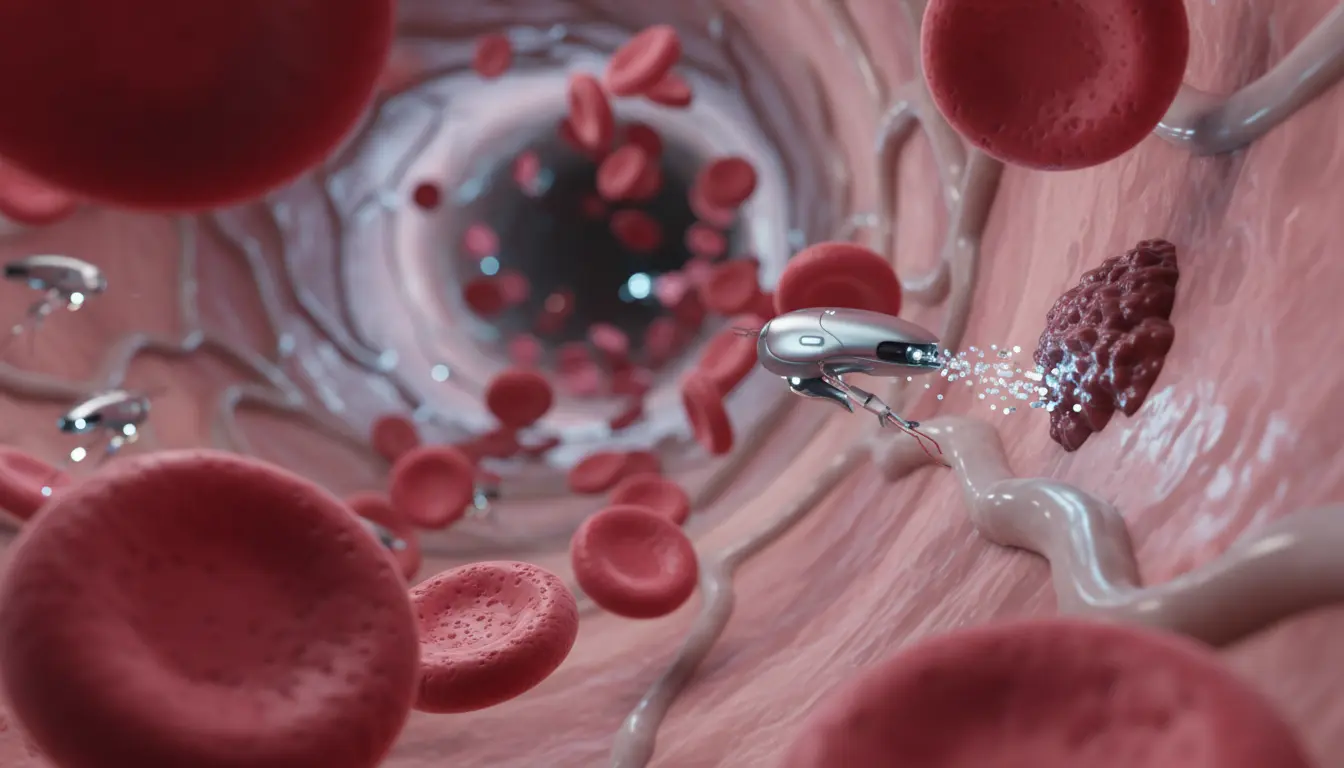
Small medical robots, often called nanobots or medical nanorobots, are emerging as one of the most promising technologies in modern healthcare. Operating at the scale of micrometers or even nanometers, these tiny devices are designed to move through the human body, diagnose diseases at an early stage, deliver drugs with extreme precision, and even assist or replace traditional surgical procedures.
As advances in nanotechnology, robotics, and biomedical engineering converge, nanobots are moving from science fiction to realistic clinical applications. While most are still in the research and development phase, early experimental results indicate that they could radically change how we treat cancer, infections, cardiovascular disease, and many other conditions.
What Are Medical Nanobots?
Medical nanobots are microscopic or nanoscale machines engineered to perform specific tasks inside the human body. Instead of large surgical tools or systemic medications that travel through the entire bloodstream, nanobots work locally and selectively. They can be made from different materials such as biocompatible metals, polymers, DNA structures, or magnetic particles, and they can be guided by external fields or programmed to respond to biological signals.
Key characteristics of medical nanobots include:
- Miniaturized size: Small enough to travel through blood vessels and body fluids
- Precision targeting: Ability to recognize specific cells, tissues, or biomarkers
- Controlled motion: Movement via magnetic fields, chemical propulsion, or light
- Smart response: Activation only in certain environments, such as acidic tumor tissue
This combination of features makes them ideal candidates for minimally invasive interventions and highly personalized treatment strategies.
Nanobots in the Future of Surgery
Traditional surgery often requires large incisions, general anesthesia, and long recovery periods. Nanobot-assisted surgery offers a dramatically different vision: procedures happening inside the body with minimal trauma and unprecedented accuracy.
Potential surgical applications include:
- Micro-scale tumor removal
Instead of cutting out a large mass of tissue, swarms of nanobots could be directed to tumor sites to selectively destroy cancer cells while sparing healthy tissue. They might achieve this through localized heating, mechanical disruption, or targeted drug release directly inside the tumor. - Clearing blocked arteries
Cardiovascular disease is frequently caused by plaque buildup in arteries. Nanobots could navigate through blood vessels, break up or dissolve these blockages from the inside, and reduce the need for stents or bypass surgery. - Internal repair and wound healing
Tiny robots might assist in repairing micro-tears, sealing internal bleeding points, or delivering growth factors to accelerate tissue regeneration after injury or surgery.
Because nanobot-based interventions would be less invasive, patients could benefit from shorter hospital stays, reduced pain, and lower risk of complications such as infections or scarring.
Targeted Drug Delivery with Nanobots
One of the most powerful uses of medical nanobots is targeted drug delivery. Conventional drugs, especially chemotherapy, spread through the entire body. This causes strong side effects and limits how much medicine doctors can safely give.
With nanobots, drugs can be delivered directly to diseased cells, reducing harm to healthy tissue and making treatment more effective. Nanobots aim to change this by acting like intelligent couriers.
They can be engineered to:
- Recognize specific cell receptors found only on diseased cells
- Release medication only when they reach a target location
- Maintain a controlled drug concentration over time
- Bypass biological barriers, such as the blood–brain barrier, to treat neurological disorders
For example, in cancer treatment, nanobots could transport chemotherapeutic drugs directly to tumor cells while leaving healthy cells largely untouched. This high precision would not only increase treatment effectiveness but also significantly reduce side effects like hair loss, fatigue, and immune suppression.
In chronic diseases such as diabetes or autoimmune disorders, nanobots could provide sustained and responsive drug delivery, releasing medication only when specific biomarkers hit certain thresholds. This would enable highly personalized and adaptive therapies.
How Do Nanobots Navigate the Human Body?
To be useful in real-world medicine, nanobots must reliably move through complex biological environments. Researchers are exploring several navigation and control strategies:
- Magnetic guidance: Nanobots infused with magnetic materials can be steered using external magnetic fields, similar to how MRI machines manipulate particles.
- Chemical propulsion: Some nanobots use chemical reactions with surrounding fluids to propel themselves forward, mimicking natural microorganisms.
- Light and ultrasound control: Certain designs respond to light or ultrasound signals, allowing clinicians to control their position and activity from outside the body.
- Biological targeting: Surface molecules on nanobots can be engineered to bind to specific receptors, effectively “homing” them to particular tissues or tumors.
Combining these methods enables both global navigation (moving to a specific organ) and local precision (targeting specific cells or microenvironments).
Advantages of Nanobot-Based Medical Treatments
The rise of small medical robots offers several major advantages over conventional treatments:
- Higher precision: Nanobots can act directly at the disease site, limiting collateral damage.
- Lower side effects: Targeted action reduces harm to healthy tissues and organs.
- Minimally invasive procedures: Many interventions could be performed via injection rather than open surgery.
- Real-time feedback: Smart nanobots can carry sensors that measure pH, temperature, or biomarker levels and send data back to physicians.
- Personalized medicine: Their behavior can be tailored to the unique biology of each patient, allowing for individualized treatment plans.
These advantages align with the broader shift in healthcare toward precision medicine and patient-centered care.
Ethical, Safety, and Regulatory Challenges
Despite their promise, medical nanobots raise important ethical and safety questions. Before they become widely used, several issues must be thoroughly addressed:
- Biocompatibility and toxicity: All materials must be safe, non-toxic, and either degradable or removable from the body.
- Long-term effects: Researchers need to understand what happens to nanobots weeks, months, or years after treatment.
- Immune responses: The immune system might recognize nanobots as foreign objects and attack them, reducing effectiveness or causing inflammation.
- Privacy and data security: If nanobots collect health data, strict protections will be required to safeguard patient privacy.
- Regulation and standards: Regulatory agencies must establish clear guidelines for testing, approving, and monitoring nanobot-based therapies.
Ethical discussions also include concerns about access and equity. Advanced nanorobotic treatments could be expensive at first, raising questions about who will benefit and how healthcare systems should integrate these technologies fairly.
Current Progress and Future Outlook
While fully autonomous medical nanobots performing complex surgeries are not yet in routine clinical use, significant progress is already visible:
- Experimental nanorobots have been tested in animals to deliver drugs directly to tumors.
- Magnetically guided microbots have been used in laboratory settings to move through artificial blood vessels.
- DNA-based nanostructures have demonstrated the ability to carry and release molecular cargo in response to specific biochemical cues.
In the coming decade, it is likely that the first FDA-approved nanobot-assisted therapies will focus on targeted drug delivery for cancer and hard-to-reach infections. As designs become more sophisticated and manufacturing technologies improve, we may see nanobots used in complex surgical support, regenerative medicine, and continuous health monitoring.
For hospitals and clinicians, this will mean new workflows, new types of training, and evolving standards of care. For patients, it could translate into more effective treatments, fewer side effects, and a far more personalized healthcare experience.
Conclusion: A Transformative Step for Modern Healthcare
Small medical robots (nanobots) represent a transformative step toward the future of surgery and drug delivery. By working at the smallest scales of the human body, they offer precision, control, and customization that traditional tools cannot match. Although technical, ethical, and regulatory challenges remain, ongoing research strongly suggests that nanobots will become a key component of next-generation medical practice.
As nanotechnology continues to advance, the integration of nanobots into routine healthcare could redefine how we diagnose diseases, perform surgeries, and deliver life-saving drugs—making treatments safer, more targeted, and more effective for patients around the world.