
Mobile Multi-User/Profile Management Solutions: Transforming Personalized Mobile Experiences
In today’s fast-evolving digital world, the need for personalization and secure data separation has become more critical than ever. This is where mobile multi-user and profile management solutions come into play. These systems empower users and organizations to manage multiple digital identities or user spaces on a single mobile device efficiently. In essence, they give users flexibility, control, and enhanced security—three pillars of modern mobile usage.
What Are Multi-User and Profile Management Solutions?
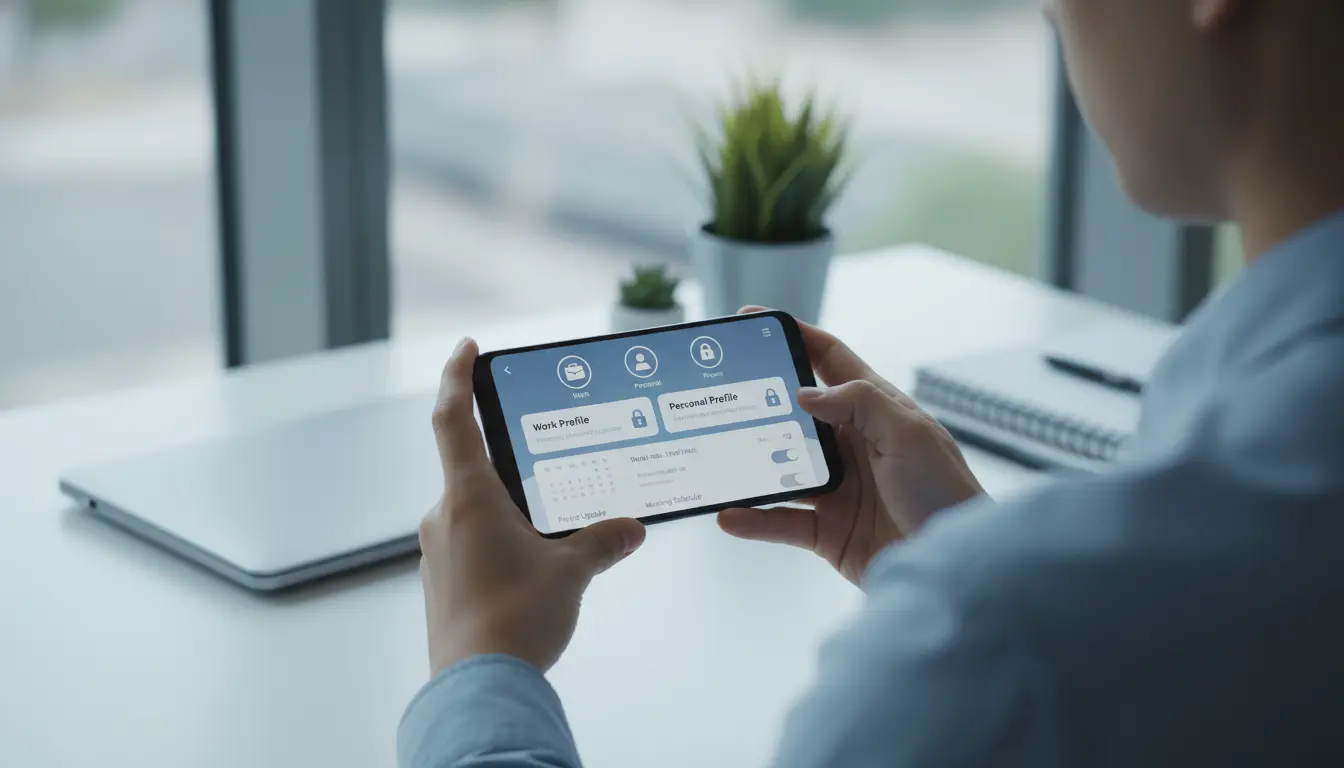
A mobile multi-user management solution enables one device to serve multiple people or purposes. Each user profile operates independently, with personalized settings, apps, and data. For example, a family tablet can have separate profiles for parents and children, while a business phone can create isolated environments for personal and corporate use.
Such solutions have become crucial for enterprises, remote employees, and educational institutions, especially with the rise of the BYOD (Bring Your Own Device) model. Through centralized mobile device management (MDM), administrators can create, monitor, and secure multiple profiles within a single device ecosystem.


Why Multi-User Management Matters
Before these technologies existed, users often had to compromise between convenience and privacy. A shared phone meant shared data, and one person’s customization would often affect others. Multi-user management resolved this by introducing data compartmentalization—each user’s data stays private and isolated from others.
For businesses, this is a game-changer. Employees can now access corporate resources securely without mixing personal and professional information. Mobile security policies can be enforced per profile, ensuring compliance and data integrity across the organization.
Core Features of Mobile Multi-User/Profile Management
Modern multi-user systems include a wide range of capabilities to enhance usability and governance:
- User Segmentation: Create independent, customizable profiles for each user.
- App Containerization: Separate corporate apps from personal ones.
- Data Encryption: Protect data within each profile using AES-grade encryption.
- Role-Based Access Control (RBAC): Grant specific permissions per role.
- Remote Wipe and Lock: Manage data breaches by isolating or deleting targeted profiles remotely.
- Cross-Platform Integration: Support for Android, iOS, and enterprise-level MDM frameworks.
- Seamless Switching: Quick toggle between profiles without reboot or data loss.
These features make mobile profile management indispensable in both workplace and personal use.
Advantages of Implementing Multi-User Management
The benefits of adopting such systems extend beyond convenience. They directly influence mobile security, productivity, and digital wellbeing.
1. Enhanced Security
Each profile operates within its own sandbox environment. Unauthorized access to another profile’s data becomes almost impossible, even in case of malware infection.
2. Improved Productivity
Employees can switch between their corporate and personal environments effortlessly. This separation eliminates distractions and reduces risks of accidental data leakage.
3. Simplified IT Administration
For IT teams, managing hundreds of users becomes more efficient. Mobile management dashboards allow bulk profile creation, policy enforcement, and security updates—all remotely.
4. Better Device Sharing
Schools, families, or small businesses that rely on shared devices benefit enormously. Multi-user systems allow one device to serve multiple roles without conflict.
5. Cost Efficiency
Instead of buying multiple devices, organizations can deploy a single mobile device configured with multiple user spaces—leading to lower hardware and licensing expenses.
Mobile Profile Management in Enterprises
Enterprise mobility has evolved rapidly, and with it, the complexity of maintaining security across diverse devices. Multi-user management helps enterprises implement Zero Trust Security models by isolating users and workloads.
A corporate user profile can be provisioned with enterprise VPNs, applications, and compliance-enforced tools, while the personal space remains unaffected by IT policies. Solutions such as Android Enterprise, Samsung Knox, and Apple Business Manager already integrate profile-based management features.
These systems are often enhanced by MDM or EMM (Enterprise Mobility Management) tools that provide monitoring, compliance checks, and policy enforcements at scale. Enterprises gain full visibility into device usage without intruding on personal data.
Challenges and Future of Multi-User Solutions
Despite their benefits, multi-user systems face challenges, especially in performance optimization and cross-OS compatibility. Managing encryption, background processes, and large-scale updates can be resource-heavy. User experience may also suffer if switching between profiles isn’t streamlined.
However, with the advent of AI-driven mobile management, advanced automation is on the horizon. Predictive analytics can personalize user switching, while biometric authentication (like facial recognition and fingerprints) makes access seamless yet highly secure.
The Rise of Artificial Intelligence in Mobile Management
Artificial intelligence has become a driving force behind modern mobile ecosystems. Intelligent algorithms can now understand behavioral patterns to automate switching between user profiles based on context. For instance, a mobile phone could automatically activate “Work Mode” during business hours and “Personal Mode” afterward.
Additionally, AI-powered anomaly detection enhances overall security. The system can detect suspicious profile activity and lock down affected areas before breaches occur.
Integration with Cloud and IoT
Cloud integration further extends the potential of multi-user mobile management. By syncing settings and data across devices, users can maintain consistent experiences regardless of where they log in. IoT-based devices also benefit, such as smart vehicles or home automation systems, where each occupant has a personalized digital environment.
Conclusion
As digital ecosystems become more interconnected, mobile multi-user and profile management solutions are no longer optional—they are essential. They empower users to maintain privacy while improving efficiency and flexibility in both personal and professional scenarios.
From enterprise applications to family tablets, these systems redefine how we interact with mobile devices. As the demand for secure, personalized, and dynamic digital ecosystems continues to rise, multi-user management will remain at the forefront of mobile innovation.