
Smart Shelf Sensors — Inventory That Counts Itself
Smart shelf sensors are transforming the way retailers manage inventory, monitor product availability, and understand shopper behavior. Instead of relying on manual counts or traditional barcode scans, these connected devices turn every shelf into a live data source. With real-time insights, stores can reduce out-of-stocks, cut labor costs, and improve the overall customer experience.
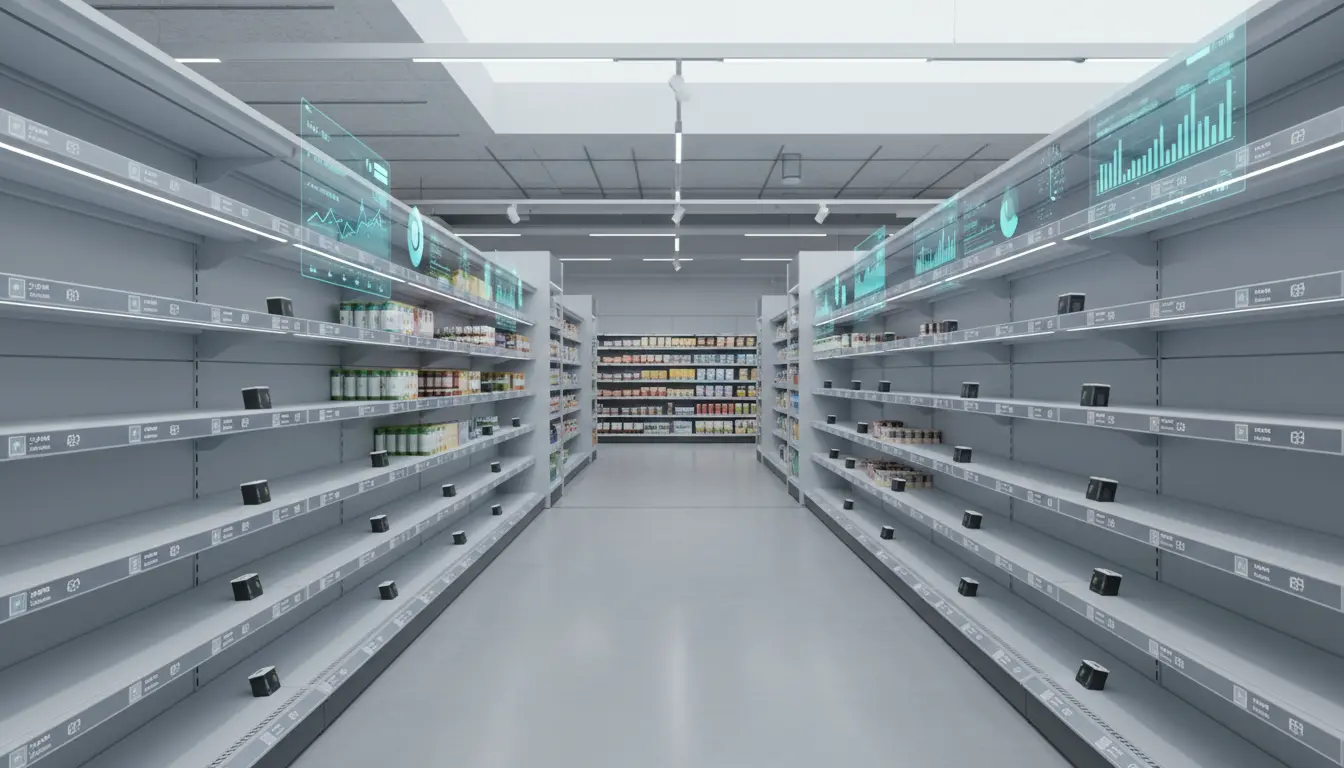
At their core, smart shelf sensors use a combination of weight measurement, optical tracking, RFID, and Internet of Things (IoT) connectivity to detect what is on the shelf at any moment. When an item is added, removed, or misplaced, the system automatically updates inventory records. This “inventory that counts itself” approach is especially valuable for high‑volume environments such as supermarkets, pharmacies, convenience stores, electronics retailers, and DIY stores.
How Smart Shelf Sensors Work
Modern smart shelves are typically equipped with embedded load cells, cameras, or RFID readers, all connected to a cloud platform. The sensors continuously measure changes and send data to a central system. Advanced analytics interpret this data to determine stock levels, product positions, and even shopper interaction patterns.
For example, a connected shelf in a grocery store can detect that a certain brand of cereal is being picked up frequently during morning hours. The system can then alert the store manager to refill that shelf before it runs empty, or even trigger an automatic replenishment order. In more advanced setups, the data can be integrated with planograms and digital signage to optimize product placement and on-shelf marketing.
Benefits for Retail Operations
One of the biggest advantages of smart shelf sensors is inventory accuracy. Manual counts are time‑consuming and prone to human error. With automatic monitoring, stock levels are updated in real time, ensuring the data in the retail inventory software matches what is actually on the shelf. This high level of accuracy improves demand forecasting and reduces shrinkage.
Smart shelves also cut operational costs. Employees no longer need to constantly walk the aisles checking for empty spaces. Instead, they receive prioritized restocking alerts that show exactly which shelves need attention. This targeted approach allows staff to focus on higher-value tasks such as customer service and merchandising, while still keeping shelves full.
In addition, these systems significantly reduce out‑of‑stock situations. When the platform detects that a product is about to run low, it can send notifications to the backroom or automatically trigger replenishment workflows. Keeping products available not only protects revenue but also builds customer trust and loyalty.
Enhancing the Customer Experience
From the shopper’s perspective, smart shelf sensors help create a more consistent and convenient in‑store experience. Customers are less likely to encounter empty shelves or missing items, which reduces frustration and improves satisfaction. Real-time shelf data can be combined with digital price tags or smart labels to provide accurate pricing, promotional messages, and product information.
Some retailers use smart shelves to support omnichannel strategies such as click‑and‑collect or ship‑from‑store. Because the sensor system knows exactly what is available in each location, it can guarantee that online orders are fulfilled from accurate inventory. This reduces cancellations and improves the reliability of both physical and digital channels.
In addition, smart shelf analytics can reveal which products are frequently picked up but not purchased. Retailers can analyze this behavior to adjust prices, assortments, or packaging. For example, if customers often examine a premium item but put it back, a retailer might consider a promotion or a more attractive position on the shelf.
Technology Behind Smart Shelf Solutions
The technology stack behind smart shelf sensors typically includes IoT-enabled devices, wireless connectivity, cloud-based analytics, and integration with existing point-of-sale and ERP systems. Sensors collect data in real time and transmit it over Wi‑Fi, Bluetooth Low Energy, or other IoT protocols. A central platform aggregates, cleans, and analyzes the information.
Machine learning algorithms can detect patterns such as abnormal stock movements, unusual shrinkage, or sudden spikes in demand. Over time, these insights help retailers predict when a product will need replenishment and fine‑tune safety stock levels. Combined with electronic shelf labels, the same system can dynamically adjust prices based on demand, time of day, or promotional campaigns.
Cybersecurity and data privacy are also important elements of any smart shelf deployment. Reputable providers use encryption, role‑based access control, and regular security updates to protect sensitive data and prevent unauthorized access to the network.
Implementation Challenges and Best Practices
While the benefits of smart shelf sensors are clear, successful implementation requires careful planning. Retailers must assess their current infrastructure, including network coverage, shelf design, and integration capabilities with back‑end systems. Pilot projects in a limited number of stores can help validate the technology and refine processes before a wider rollout.
Change management is another critical factor. Store associates need training to interpret sensor alerts, respond to replenishment tasks, and use new dashboards or mobile apps. Communicating the advantages—such as reduced manual counting and more efficient workflows—can increase adoption and ensure that employees see the system as a helpful tool rather than extra work.
To maximize ROI, retailers should focus on clear use cases from the start. Common objectives include reducing stockouts, lowering inventory carrying costs, improving planogram compliance, and enhancing in‑store analytics. Selecting the right metrics and KPIs makes it easier to measure the impact of smart shelf technology and adjust strategies over time.
Future of Inventory That Counts Itself
Smart shelf sensors are part of a broader movement toward autonomous retail operations. As the technology matures, we can expect deeper integration with AI‑driven forecasting, robotic restocking systems, and personalized in‑store marketing. In the near future, shelves will not only detect what is missing but also predict what customers will want next.
For retailers competing in a challenging market, the ability to maintain accurate, real-time inventory data and respond instantly is a powerful differentiator. Smart shelf sensors enable “inventory that counts itself,” creating leaner operations, better customer experiences, and a more data‑driven approach to brick‑and‑mortar retail.