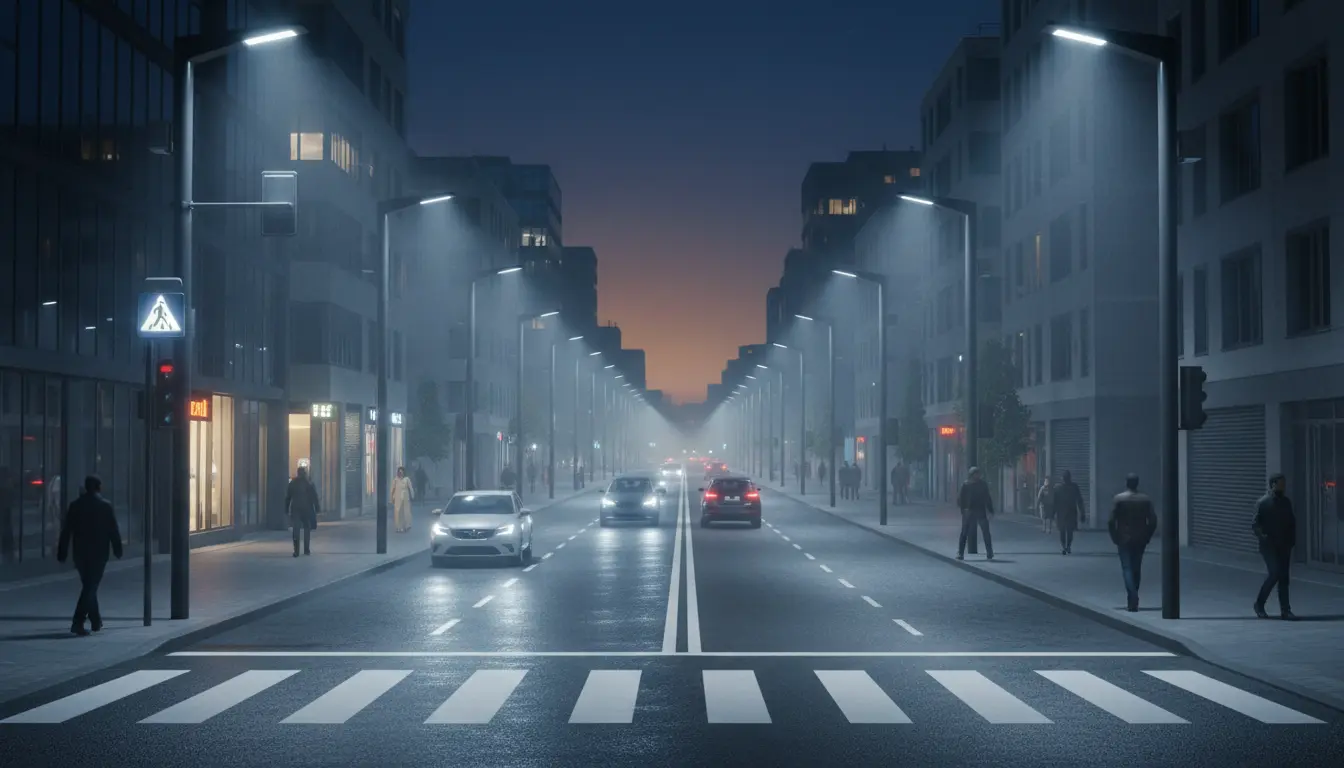

Smart Street Lights that Save Energy and Enhance Safety
Smart street lights are transforming cities with energy‑efficient technology and advanced safety features. Instead of running at full power all night, these intelligent systems use sensors, connectivity, and data analytics to deliver the right amount of light at the right time. As a result, municipalities cut energy costs, reduce emissions, and create safer streets for residents and visitors.
What Are Smart Street Lights?
Smart street lights combine LED lamps with controllers, sensors, and communication modules. LEDs already use far less energy than traditional high‑pressure sodium or metal halide lamps. When cities add smart controllers, each pole can respond to its surroundings in real time.
Light sensors measure ambient brightness, while motion sensors detect vehicles, cyclists, and pedestrians. Connectivity modules (such as cellular IoT, LoRaWAN, or wireless mesh) link every lamp to a central platform. City operators then monitor, control, and optimize thousands of lights from a single dashboard.

How Smart Street Lights Save Energy
Energy efficiency sits at the heart of smart street lighting. Traditional systems keep lamps at maximum brightness from dusk to dawn, even when streets are empty. Smart street lights change this pattern dramatically.
They use adaptive or dynamic dimming. When traffic is low, the lights reduce brightness to a safe but lower level. When a car or pedestrian enters the area, the system instantly increases illumination. This approach maintains visibility while minimizing wasted electricity.
Cities also create customized lighting schedules for different neighborhoods. Residential areas may dim earlier, while main roads stay brighter longer. Data from each pole shows actual consumption, so operators identify further savings and set precise energy‑reduction targets.
Enhancing Public Safety with Intelligent Lighting
Smart street lights do more than save energy; they actively enhance safety. Well‑lit streets reduce the risk of crime and accidents. Intelligent poles brighten when they detect movement, giving drivers, cyclists, and pedestrians a clear view of their surroundings.
In high‑risk zones, cities can program higher baseline brightness or faster response times. Some installations connect street lights to emergency systems. When an incident occurs, nearby lights can flash or brighten to draw attention and guide first responders. This direct link between lighting and public safety creates a more secure night‑time environment.
Networked Control and Remote Monitoring
Connectivity is a key advantage of modern smart street lighting systems. Every lamp becomes part of a connected network that operators manage remotely. Through a web‑based platform, they switch lights on or off, adjust brightness, create schedules, and segment the city into different zones.
Remote monitoring delivers constant insight into system performance. The platform displays which lights operate correctly, which underperform, and which need maintenance. Operators respond quickly without waiting for citizen complaints. This level of control boosts reliability and keeps streets safely illuminated.
Predictive Maintenance and Lower Operational Costs
Maintenance for conventional street lights often follows a “run to failure” approach. Lamps burn out, and then crews replace them. This process leaves areas dark and forces municipalities to send teams out repeatedly.
Smart street lights change this model with predictive maintenance. Each lamp reports its status, including power usage, temperature, and component health. When the system detects anomalies, it flags potential failures early. Maintenance teams then schedule repairs before the light fails completely.
This proactive strategy reduces downtime, cuts labor and fuel costs, and extends the life of lighting assets. Cities allocate budgets more efficiently and avoid sudden large‑scale replacements.
Smart Street Lights as a Smart City Platform
Street light poles offer ideal locations for additional smart city devices. When cities upgrade to intelligent lighting, they also gain a flexible platform for other digital services.
They mount surveillance cameras for security, environmental sensors for air quality monitoring, and speakers for public alerts. Some poles host Wi‑Fi hotspots, 5G small cells, or even EV charging points. By using existing infrastructure, cities deploy more services without major new construction.
This multi‑purpose role turns smart street lights into a backbone for smart city infrastructure, supporting connectivity, safety, and sustainability at the same time.
Environmental Benefits and Sustainability
Energy‑saving street lights significantly support urban climate goals. Lighting typically represents a large share of municipal electricity consumption. Upgrading to LED‑based smart systems can cut usage by 50–80%, depending on dimming profiles and control strategies.
Lower electricity consumption means fewer greenhouse gas emissions from power plants. Intelligent dimming also reduces light pollution, which protects nocturnal wildlife, improves residents’ sleep quality, and allows clearer night skies. By installing smart street lights, cities make a visible, measurable step toward long‑term sustainability targets.
Economic Advantages and ROI for Cities
From a financial perspective, the business case for smart street lighting continues to strengthen. While upfront costs exceed simple lamp replacements, long‑term savings in energy and maintenance usually deliver an attractive return on investment.
Cities often see payback within a few years, then enjoy ongoing budget relief. With detailed energy data, they also qualify more easily for green financing or performance‑based contracts. In some projects, technology partners guarantee specific savings and share the financial benefits with the municipality.
Better Urban Experience for Citizens
Residents feel the impact of smart street lights in their daily lives. Clear, consistent lighting improves visibility on roads and at intersections, reducing accidents and improving comfort for drivers and cyclists. Pedestrians feel safer walking at night when streets, parks, and pathways are well illuminated.
Dynamic control also enhances visual comfort. Instead of harsh, overly bright lamps, cities design lighting profiles that balance safety with pleasant ambiance. In tourist areas or city centers, dynamic colors and brightness levels support festivals, events, or cultural activities, making public spaces more attractive and welcoming.
Future Trends: AI and Data‑Driven Lighting
The future of smart street lighting lies in artificial intelligence and advanced analytics. AI algorithms can analyze traffic patterns, weather data, and historical usage to predict the ideal lighting levels for every hour of the night.
Edge computing allows lamps or local gateways to process data on site. They make real‑time decisions—such as dimming during low traffic or brightening for sudden congestion—without waiting for instructions from a central server. Over time, these systems learn and continuously refine their behavior, improving both energy performance and safety outcomes.
Addressing Cybersecurity and Data Privacy
Because smart street lights connect to networks and often integrate with other systems, cybersecurity and privacy play a critical role. Vendors and cities must implement strong encryption, secure authentication, and regular firmware updates. These measures protect the lighting infrastructure from unauthorized access or manipulation.
When poles host cameras or sensors, city leaders also need clear data governance policies. They define what information they collect, how long they store it, and who can access it. Transparent rules build public trust while still enabling valuable smart city services.
Conclusion: A Foundation for Safer, Greener Cities
Energy‑saving smart street lights that enhance safety offer far more than a simple upgrade to existing infrastructure. They deliver a powerful combination of reduced energy consumption, lower emissions, improved security, and richer urban services.
By adopting intelligent street lighting, cities invest in a flexible, future‑ready platform. They align with sustainability goals, improve quality of life for citizens, and create a strong foundation for broader smart city initiatives. As technology advances, smart street lights will continue to play a central role in shaping safer, greener, and more connected urban environments.