
U.S. Pilot Programs and Global Acceptance
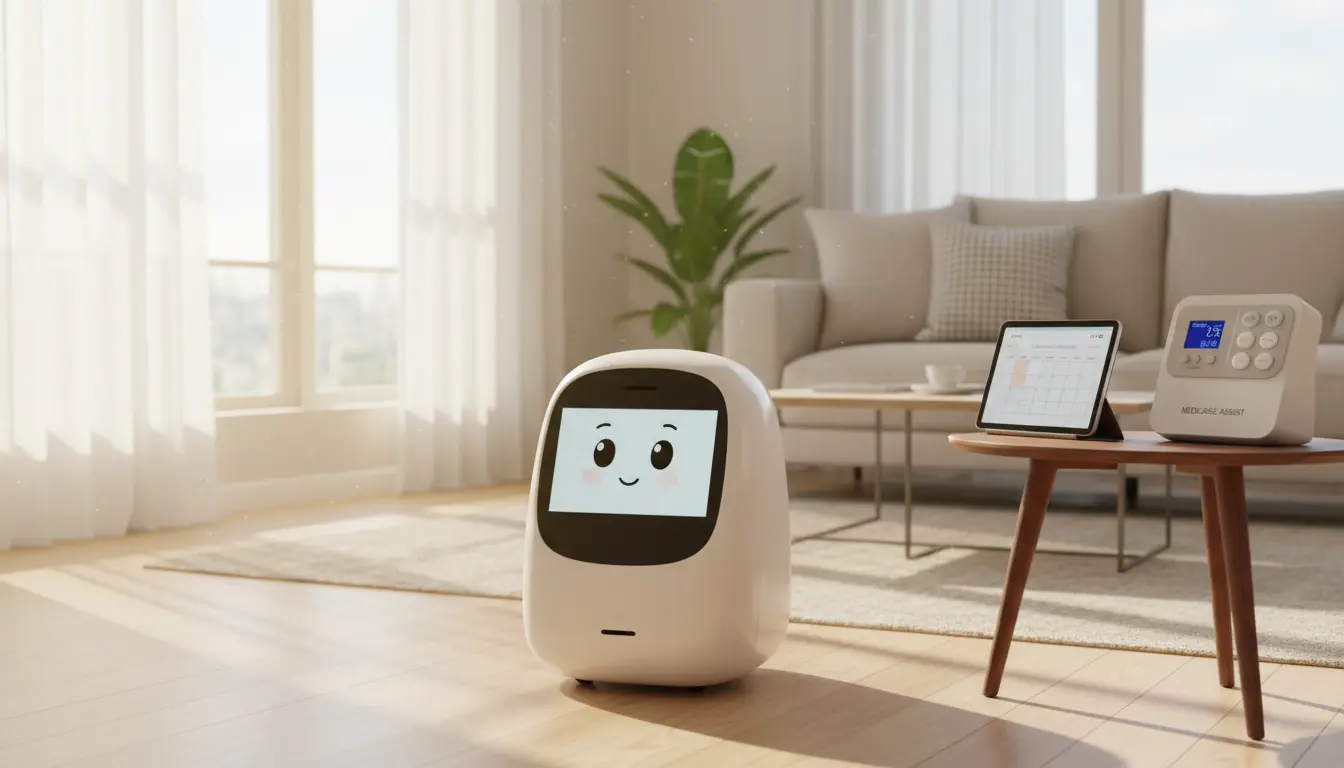
As populations age around the world, governments and health systems are struggling to provide high‑quality, affordable care for older adults. These robots are designed not only to help with daily tasks but also to provide emotional support, social interaction, and cognitive stimulation. In the United States, several pilot programs are testing how social robots can be integrated into senior living communities, nursing homes, and home‑based care. At the same time, countries like Japan, South Korea, and several European nations are moving even faster toward adoption, creating an emerging global ecosystem of robotic eldercare.
What Are Social Robots
Social robots differ from traditional industrial or service robots because they are built to communicate with people in a natural, human‑like way. They can use speech recognition, facial expressions, body language, and sometimes even touch to interact with older adults.
- Reduce loneliness and social isolation
- Support independence in daily living
- Assist caregivers by automating repetitive tasks
- Provide cognitive and physical stimulation
As artificial intelligence improves, these robots are becoming more responsive, adaptive, and capable of personalizing their interactions to the needs of each older adult.
U.S. Pilot Programs: Testing Social Robots in Real Care Settings
In the United States, pilot programs often start in assisted living facilities or retirement communities where the environment is controlled, and staff can closely monitor outcomes. Care teams deploy social robots to:
- Lead group activities such as games or music sessions
- Remind residents about medication schedules and appointments
- Encourage light physical exercises and daily movement
- Offer simple conversations to reduce feelings of isolation
Many pilot projects target residents who are at risk of social isolation or cognitive decline. Early results show that some older adults enjoy talking with the robots, following their exercise routines, and participating in activities led by the devices.
Social Robots and Aging in Place in the U.S.
These U.S. pilots also explore how social robots can support aging in place, allowing older adults to stay safely in their own homes. In home‑based trials, robots can:
- Check whether lights are off or doors are closed
- Track daily routines and flag unusual inactivity
- Provide verbal prompts for hydration, movement, and medication adherence
- Integrate with telehealth platforms to enable video calls with clinicians or family
This combination of in‑person robotic presence and remote human supervision is seen as a way to extend independence, reduce hospitalizations, and prevent unnecessary emergency visits.
Hybrid Care Models: Robots Supporting, Not Replacing, Humans
Social robots are not designed to replace human caregivers. Instead, U.S. pilot programs aim to free up nurses, aides, and family members from simple, repetitive tasks so they can focus on more complex and emotional aspects of care.
For example:
- A robot can monitor whether an older adult has been inactive for too long and remind them to move.
- Human nurses and aides can concentrate on clinical assessments, emotional support, and personal conversations.
When used correctly, social robots become part of a hybrid care model where technology enhances, rather than replaces, human relationships and professional expertise.
International Acceptance: How Other Countries Use Social Robots
Japan: A Global Leader in Robotic Eldercare
Japan faces a rapidly aging population and a shortage of caregivers. In response, the country has invested heavily in caregiving robots, including:
- Soft, animal‑like companion robots used in dementia care
- Humanoid robots that can guide group activities
- Interactive systems that offer games, music, and conversation
Many Japanese older adults and families view robots pragmatically—as tools that can fill gaps in daily care while respecting cultural norms around independence and family responsibility.
Europe: Ethical and Person‑Centered Integration
In Europe, the picture is more nuanced. Countries such as Sweden, Denmark, Germany, and the Netherlands have tested social robots in nursing homes and dementia care units. Here, the focus is often on:
- Maintaining dignity and person‑centered care
- Using robots to stimulate memory through music, photos, or storytelling
- Supporting staff rather than replacing them
Ethical guidelines are usually strict. Projects emphasize transparency about what the robot can and cannot do, and strong rules to protect personal data and privacy. Researchers examine not only health outcomes but also the effects on staff workload, job satisfaction, and family trust in the care system.
Design, Usability, and Cultural Factors in Adoption
International research networks now compare results from pilot programs across countries. A consistent finding is that successful adoption requires user‑centered design. Robots must be:
- Easy to use for older adults with different abilities
- Culturally appropriate in appearance, voice, and behavior
- Clearly beneficial from the perspective of residents, families, and professional caregivers
Training is critical. When staff and family members understand how the robot works and feel confident using it, they are more likely to integrate it into daily routines instead of leaving it idle.
Challenges: Trust, Ethics, and Privacy in Robotic Eldercare
Despite promising results, there are important challenges.
- Some older adults distrust or fear robots, especially if they look too human‑like or behave unpredictably.
- Hearing, vision, or cognitive impairments can make interaction difficult.
- Cultural attitudes influence acceptance; in some regions, families may feel robots signal neglect, while elsewhere they are seen as a responsible way to enhance safety.
Privacy and data security are major concerns. Social robots often collect sensitive information, including video, audio, health metrics, and behavioral patterns. In both U.S. and international contexts, developers and regulators work to ensure:
- Compliance with privacy laws and data protection standards
- Secure storage and limited access to data
- Clear consent processes and understandable explanations for older adults and families
Ethical frameworks highlight that older adults should know what data are collected, who can access them, and how they are used to improve care.
The Future of Social Robots in Elderly Care
Experts expect social robots for elderly care to become more responsive, personalized, and integrated with broader digital health ecosystems. Future systems may combine:
- Robotics
- Wearable health devices
- Smart home sensors
- AI‑driven health analytics
Robots may help detect early signs of cognitive decline, mood changes, or physical deterioration and alert clinicians or family caregivers. Over time, a robot could learn an individual’s routines, preferences, and communication style, making its interactions feel more natural, supportive, and meaningful.
Conclusion: Toward Humane and Connected Aging With Social Robots
Social robots for elderly care are moving from experimental concepts to practical tools in the U.S. and worldwide. American pilot programs generate valuable data on usability, caregiver workload, and resident well‑being. International examples, especially from Asia and Europe, show that with cultural adaptation and ethical safeguards, social robots can be accepted and even welcomed as companions and helpers.
The ultimate aim is not to replace human touch, but to ensure that older adults everywhere can live with greater dignity, safety, and connection in an aging world—supported by a thoughtful blend of human care and intelligent technology.