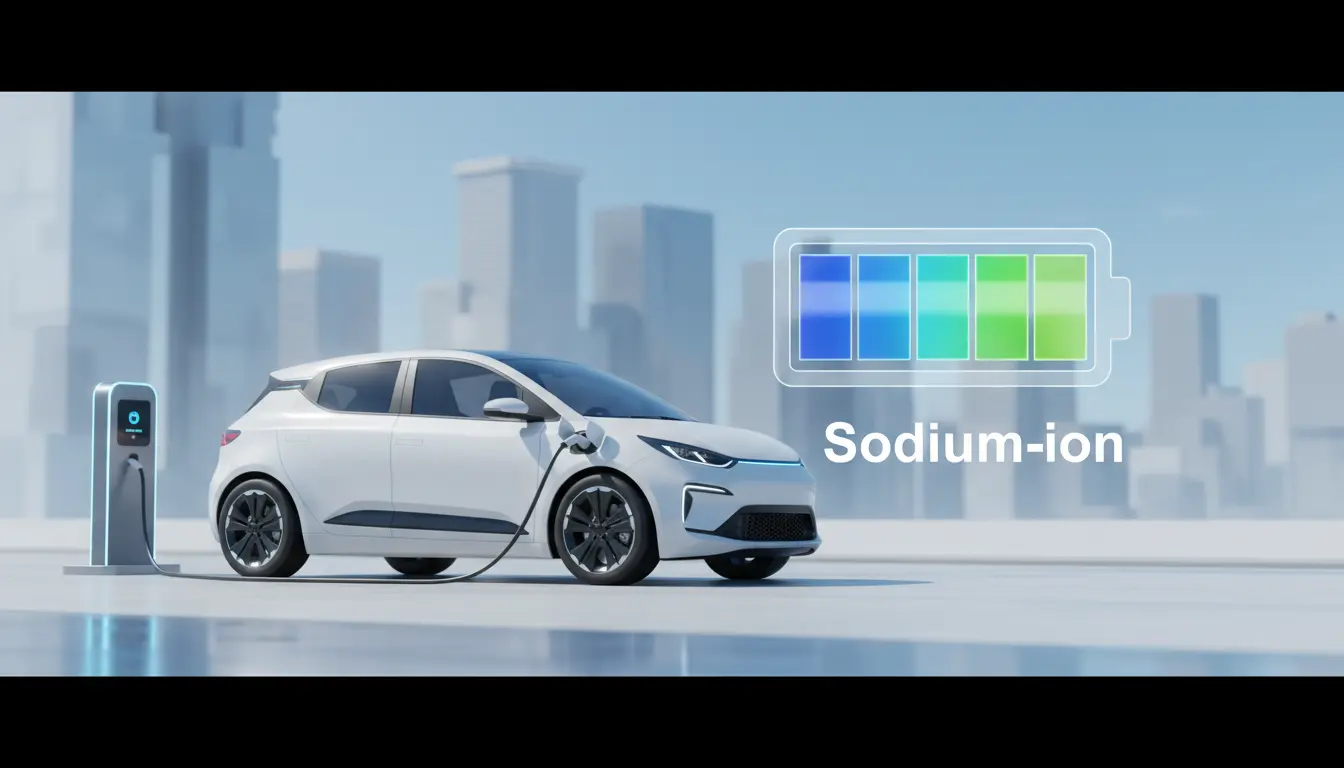

Sodium‑Ion Batteries: Will They Bring Ultra‑Cheap EVs to the US?
Sodium‑ion batteries are emerging as one of the most promising alternatives to today’s lithium‑ion technology. As electric vehicle (EV) adoption grows in the United States, rising battery costs and supply chain risks are pushing automakers and policymakers to look for new options. Sodium‑ion batteries could be the key to unlocking truly affordable EVs for everyday drivers, without sacrificing safety or performance for city and short‑range use.
In this article, we’ll explore what sodium‑ion batteries are, how they differ from lithium‑ion packs, why they might dramatically lower EV prices in the US, and what challenges still stand in the way of mass adoption.
What Are Sodium‑Ion Batteries?
Sodium‑ion batteries work on the same basic principle as lithium‑ion batteries. Ions move back and forth between the cathode and anode through an electrolyte during charging and discharging. The main difference is the type of ion used:
- Lithium‑ion batteries use lithium ions.
- Sodium‑ion batteries use sodium ions.
Sodium is abundant and widely available. It can be extracted from common salt and other natural resources found almost everywhere in the world. This contrasts with lithium, which is concentrated in specific regions and can require environmentally sensitive mining.
Because of this abundance, sodium‑ion battery materials are generally cheaper and less vulnerable to geopolitical disruptions. That cost advantage is one of the main reasons the technology is gaining attention for low‑cost EV manufacturing.
Key Advantages of Sodium‑Ion Batteries for EVs
1. Lower Raw Material Costs
Lithium, cobalt, and nickel prices can swing wildly, making lithium‑ion batteries expensive and unpredictable in cost. Sodium‑ion chemistries often use:
- Sodium instead of lithium
- Iron and manganese instead of more expensive nickel and cobalt
- Graphite or hard carbon for the anode
These choices significantly reduce material costs. For entry‑level EVs aimed at price‑sensitive US consumers, this lower bill of materials can translate to more affordable sticker prices.
2. Better Safety Profile
Sodium‑ion batteries typically operate at slightly lower energy density and can have more stable cathode materials. While they are not completely immune to thermal issues, many lab tests show a lower risk of thermal runaway compared to some high‑nickel lithium‑ion chemistries.
A safer pack allows:
- Simpler cooling systems
- Potentially lower insurance and warranty costs
- Increased consumer confidence, especially for first‑time EV buyers
3. Strong Performance in Cold Temperatures
Cold weather performance remains a concern for EV owners in northern US states. Some sodium‑ion chemistries show better behavior at low temperatures, maintaining more of their usable capacity when the thermometer drops.
Improved cold‑climate performance could make sodium‑ion EVs attractive in regions like the Midwest and Northeast, where drivers are cautious about winter range loss.
4. More Sustainable and Scalable Supply Chains
Because sodium is abundant, sodium‑ion battery production can scale without the same resource bottlenecks that affect lithium, nickel, and cobalt. That scalability makes it easier for US manufacturers to:
- Diversify supply chains
- Reduce dependence on a small number of lithium‑rich countries
- Align with sustainability and ESG goals
As the US pushes to reshore battery manufacturing, a chemistry that uses abundant, lower‑impact materials is highly attractive.
The Main Drawback: Lower Energy Density
The biggest technical challenge for sodium‑ion batteries is energy density. Simply put, they store less energy per kilogram than most lithium‑ion EV packs on the market today.
This has direct implications:
- Shorter driving range for the same battery size
- Heavier battery packs if automakers want to match current ranges
Because American drivers often prioritize long‑range capability, sodium‑ion EVs may be best suited for:
- City cars and subcompact vehicles
- Fleet vehicles and delivery vans on predictable routes
- Ride‑share and car‑sharing vehicles
- Second cars used mainly for commuting and errands
If US consumers accept smaller, purpose‑built EVs for daily use—similar to trends in some European and Asian cities—sodium‑ion batteries can be a perfect fit.
How Sodium‑Ion Batteries Could Enable Ultra‑Cheap EVs in the US
To understand the impact on EV pricing, it helps to look at where costs come from. The battery pack is usually the most expensive component in an electric vehicle. If sodium‑ion technology manages to cut battery costs by a meaningful margin, automakers can:
- Offer entry‑level EVs at prices closer to small gasoline cars
- Target sub‑$25,000 EVs without heavy subsidies
- Maintain margins while expanding into lower‑income segments
Some projected benefits include:
- Cheaper Small and Compact EVs
Lightweight city cars and compact crossovers can use sodium‑ion packs without needing extreme range. For many American households, a 150–200‑mile EPA range is enough for daily use, especially if they have home or workplace charging. - More Affordable Fleet Electrification
For last‑mile delivery fleets, municipal vehicles, campus shuttles, and corporate fleets, operating costs matter more than maximum range. Sodium‑ion batteries could lower upfront costs and make total cost of ownership even more attractive. - Lower Dependence on Incentives
As US tax credits and incentives evolve, sodium‑ion EVs can help keep prices attractive even if subsidies are reduced over time. This supports a more organic, market‑driven adoption curve.
When Could Sodium‑Ion EVs Arrive in the US?
Some battery makers and automakers are already piloting sodium‑ion batteries in small vehicles and energy storage systems in other regions. For the US market, the timeline will depend on:
- Scaling up commercial sodium‑ion cell production
- Validating long‑term durability and safety in real‑world conditions
- Integrating new pack designs on US‑compliant EV platforms
- Meeting US regulatory and safety standards
Initially, sodium‑ion batteries may appear in:
- Stationary energy storage (home batteries, grid storage)
- Low‑speed vehicles and micro‑mobility devices
- Specialized commercial fleets
Once these early deployments prove the technology, mainstream US EV models could follow, especially at the budget end of the market.
Challenges and Open Questions
Despite the promise, several challenges must be addressed before sodium‑ion batteries fully reshape the US EV landscape:
- Improving Energy Density
Ongoing R&D aims to narrow the energy density gap with lithium‑ion. Any improvement here instantly makes sodium‑ion more attractive for a broader range of EVs. - Establishing Manufacturing Ecosystems
The US battery industry has heavily invested in lithium‑ion gigafactories. Manufacturers need new tooling, supplier networks, and standards to produce sodium‑ion cells at scale. - Consumer Perception and Education
Many consumers only know “lithium‑ion.” Educating them about sodium‑ion advantages—especially safety, cost, and environmental aspects—will be crucial. - Policy and Incentive Structures
US policy frameworks, such as tax credits and domestic content rules, will influence how quickly sodium‑ion manufacturing ramps up domestically. Supportive policies can speed adoption, while unclear rules could slow it down.
The Likely Future: Coexistence, Not Replacement
Sodium‑ion batteries are unlikely to completely replace lithium‑ion technology. Instead, they will probably occupy specific, high‑value niches:
- Sodium‑ion for low‑cost, short‑ to mid‑range EVs, fleets, and stationary storage
- Lithium‑ion for long‑range premium EVs, performance cars, and heavy‑duty applications
This complementary approach lets the US EV ecosystem optimize for both cost and performance. If sodium‑ion battery technology continues to mature, it can absolutely help bring a new generation of ultra‑cheap EVs to American drivers who prioritize affordability and practicality over maximum range.