
Tesla Supercharger Network Opening to Non‑Tesla EVs in the US: Pros and Cons
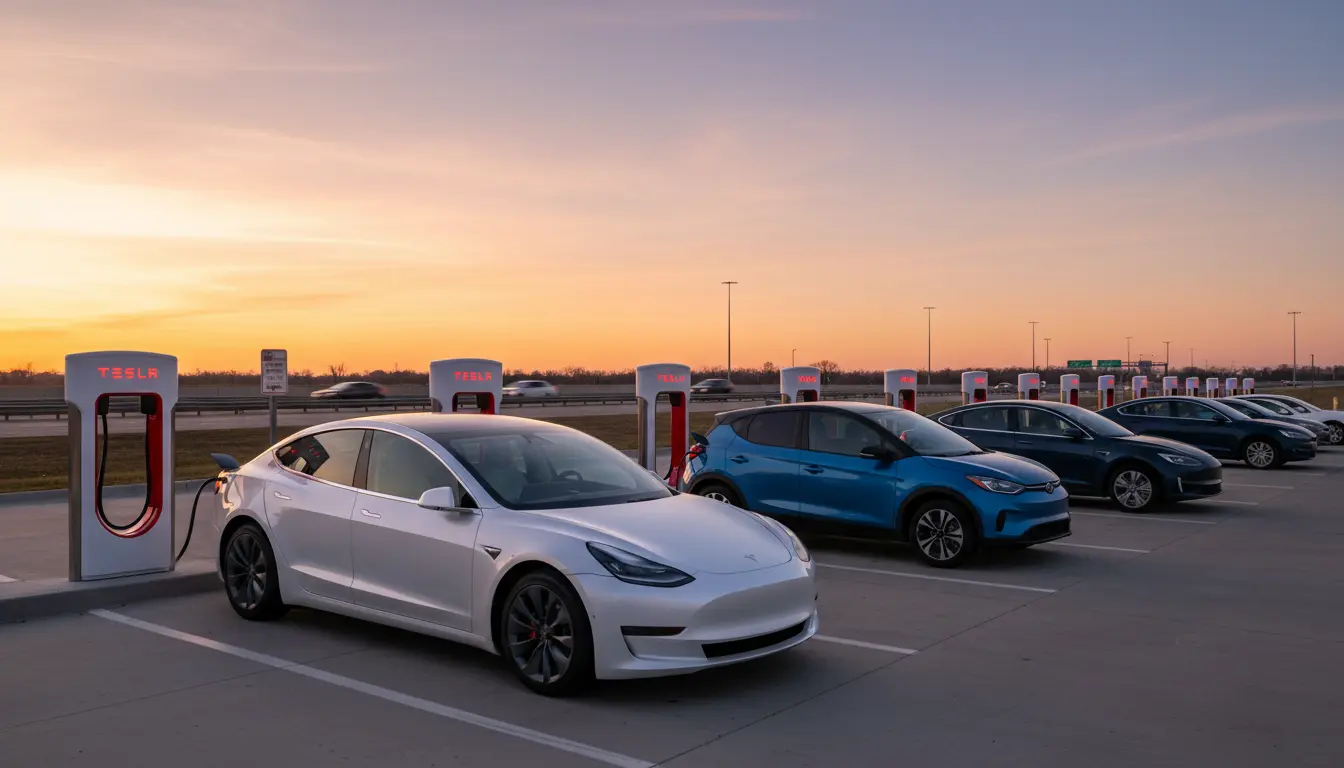
The decision to open the Tesla Supercharger network to non‑Tesla electric vehicles is one of the most significant developments in the US EV market. For years, Tesla owners enjoyed a fast, reliable and widespread fast‑charging network that was essentially exclusive. Now, with more automakers adopting the North American Charging Standard (NACS) and gaining access to Superchargers, the entire charging landscape is changing.
In this article, we’ll explore the main advantages and disadvantages of this shift, what it means for EV drivers, and how it may influence the future of electric mobility in the United States.
What Is the Tesla Supercharger Network?
The Tesla Supercharger network is a nationwide (and global) fast‑charging infrastructure originally built specifically for Tesla vehicles. Superchargers are high‑power DC fast chargers that can add hundreds of miles of range in a relatively short time.
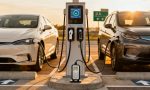
Key characteristics include:
- High charging speeds: Many Superchargers can deliver up to 250 kW, enabling rapid top‑ups on long trips.
- Strategic locations: Stations are typically near highways, major routes, shopping centers and amenities.
- Integrated user experience: For Tesla drivers, route planning, payment and station availability are seamlessly integrated in the in‑car navigation system and Tesla app.
By opening this network to non‑Tesla EVs, Tesla is transitioning from a closed ecosystem to a more open, interoperable charging model.
Why Is Tesla Opening Superchargers to Non‑Tesla EVs?
There are several strategic reasons behind Tesla’s move:
- Regulatory and incentive pressures
US federal and state programs increasingly favor chargers that are accessible to multiple brands. Opening the network allows Tesla to qualify for public funding and incentives for expanding charging infrastructure. - Market leadership and standardization
As more automakers adopt the NACS connector, Tesla’s standard could become the dominant plug type in North America. Allowing other brands to use Superchargers accelerates this trend and reinforces Tesla’s influence over charging standards. - Revenue diversification
Non‑Tesla drivers paying to charge at Superchargers create an additional, recurring revenue stream. As EV adoption grows, charger utilization rises and network profitability improves. - Supporting EV adoption overall
A more convenient and reliable charging experience for all drivers reduces range anxiety and encourages more people to switch from gasoline vehicles to EVs, expanding the total market that benefits Tesla indirectly.
Pros for Non‑Tesla EV Owners
Opening the Tesla Supercharger network brings major benefits for drivers of other EV brands.
1. Better Charging Coverage
Many regions in the US still lack dense fast‑charging coverage from other networks. Tesla Superchargers often fill in these gaps, especially along long‑distance highway routes.
Non‑Tesla drivers gain:
- Access to more stations in rural or less‑served areas
- More options during road trips
- Shorter detours off the main route to charge
2. Improved Reliability and Uptime
A common complaint about some third‑party fast‑charging networks is broken chargers or unreliable operation. Tesla has built a strong reputation for high uptime and relatively consistent performance.
By tapping into this network, non‑Tesla EV drivers often experience:
- Fewer instances of non‑functional chargers
- More consistent charging speeds
- Better station maintenance and monitoring
3. Faster Charging at Many Locations
Depending on the vehicle’s capability and adapter availability, many non‑Tesla EVs can benefit from high‑power charging at Tesla stations. While actual speeds vary by model and battery technology, access to a high‑power network can significantly reduce charging times compared to slower alternatives.
4. Reduced Range Anxiety
Knowing that there is a large, established network of fast chargers adds a sense of security:
- Drivers can plan trips with more confidence
- They have backup options if another network is busy or offline
- They are more likely to consider an EV as a primary vehicle
Cons and Challenges for Non‑Tesla EV Owners
The transition is not without complications. Several potential downsides and challenges exist.
1. Adapter and Compatibility Issues
Not all non‑Tesla EVs can immediately plug in to every Tesla Supercharger. Many vehicles initially rely on adapters or must wait for hardware and software updates from their automaker. This can lead to:
- Additional costs for purchasing adapters
- Confusion over which stations and plugs are compatible
- Slower rollout of full access in some regions
2. User Experience Differences
Tesla owners enjoy a deeply integrated experience that non‑Tesla drivers may not fully replicate:
- Route planning and payment may rely on the Tesla app instead of the vehicle’s built‑in navigation
- Vehicle‑to‑charger communication may not be as seamless
- Some advanced features, like automatic preconditioning of the battery for fast charging, might be limited or brand‑specific
3. Potential Pricing Disadvantages
Pricing structures may differ for non‑Tesla users:
- Non‑Tesla drivers might pay slightly higher per‑kWh or per‑minute rates
- Membership or subscription options could differ
- Dynamic pricing based on time of day or congestion might affect the total cost of charging
Over time, competition and regulation may narrow these gaps, but early adopters must pay close attention to pricing terms.
Pros for Tesla Owners
Opening the network is not only about non‑Tesla drivers. Tesla owners may also see benefits.
1. Stronger, More Sustainable Network
With more paying users, Tesla can justify:
- Faster expansion of the Supercharger footprint
- More investment in maintenance and upgrades
- Higher utilization that makes the network more financially sustainable
In the long run, this can mean more stations and shorter distances between them for everyone.
2. Greater Standardization and Resale Value
If NACS becomes the dominant standard, Tesla vehicles enjoy compatibility with an even wider range of chargers beyond the Tesla ecosystem. This can:
- Improve convenience for owners
- Enhance long‑term resale value
- Reduce fragmentation in the charging market
Cons and Concerns for Tesla Owners
However, current Tesla drivers have raised some valid concerns.
1. Increased Congestion at Stations
One of the biggest fears is that popular Supercharger locations will become crowded:
- Longer wait times during peak travel periods
- More frequent queues on holidays and weekends
- Higher pressure on high‑traffic corridors
Tesla will need to carefully manage capacity through expansion, dynamic pricing and smart software to keep wait times under control.
2. Wear and Tear on Infrastructure
Higher utilization means more wear on connectors, cables and stalls. If Tesla does not keep up with maintenance, Tesla owners might experience:
- More frequent issues with faulty stalls
- Greater competition for working chargers
- Increased frustration during critical trips
Tesla’s track record suggests active maintenance, but the scale of usage will grow substantially.
Impact on the US EV Market
The opening of the Tesla Supercharger network has broader implications beyond individual drivers.
1. Faster EV Adoption
A reliable, widely available fast‑charging network is one of the biggest enablers of mass EV adoption. When prospective buyers see that long‑distance travel is practical and convenient, they are more likely to choose an electric vehicle instead of sticking with gasoline.
2. Competitive Pressure on Other Networks
Third‑party charging providers will need to improve to stay competitive:
- Higher uptime and better maintenance
- More transparent and consistent pricing
- Enhanced customer support and user experience
Ultimately, competition can lead to better service and innovation for all EV drivers.
3. Policy and Infrastructure Planning
Public agencies and regulators may increasingly view NACS and Tesla’s infrastructure as central to their long‑term transport electrification plans. This could influence:
- Which projects receive public funding
- Interoperability requirements for future stations
- Long‑term standardization of connectors and communication protocols
Practical Tips for Non‑Tesla EV Drivers Using Superchargers
If you drive a non‑Tesla EV and plan to use the Tesla Supercharger network, consider the following:
- Check compatibility first: Confirm that your vehicle supports NACS directly or via an approved adapter.
- Install and set up the Tesla app: Create an account, add a payment method and learn how to start and stop charging sessions.
- Plan your route: Use a combination of your vehicle’s navigation, third‑party apps and the Tesla app to locate compatible stations.
- Respect etiquette: Move your car as soon as charging is complete, avoid blocking stalls and follow posted rules to keep the network efficient for everyone.
Product Recommendation: Tesla Wall Connector – Level 2 Home Charger
For daily charging at home, pairing public fast‑charging access with a reliable Level 2 home charger is a powerful combination. On Amazon.com, one highly regarded option is the Tesla Wall Connector – Electric Vehicle (EV) Charger – Level 2 – up to 48A with 24′ Cable.
This home charger offers:
- Up to 48 amps of power for faster overnight charging
- A long 24‑foot cable for flexible parking positions
- A sleek, compact design that integrates well into garages or outdoor parking spaces
Most EV owners rely on home charging for the majority of their miles, and a robust Level 2 charger significantly improves convenience, reduces daily range anxiety and complements occasional fast‑charging sessions at public networks like Tesla Superchargers.