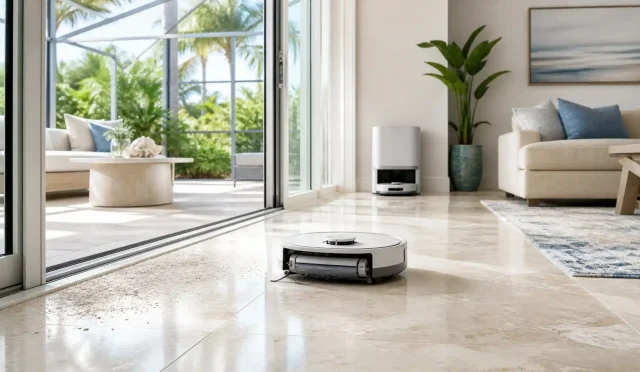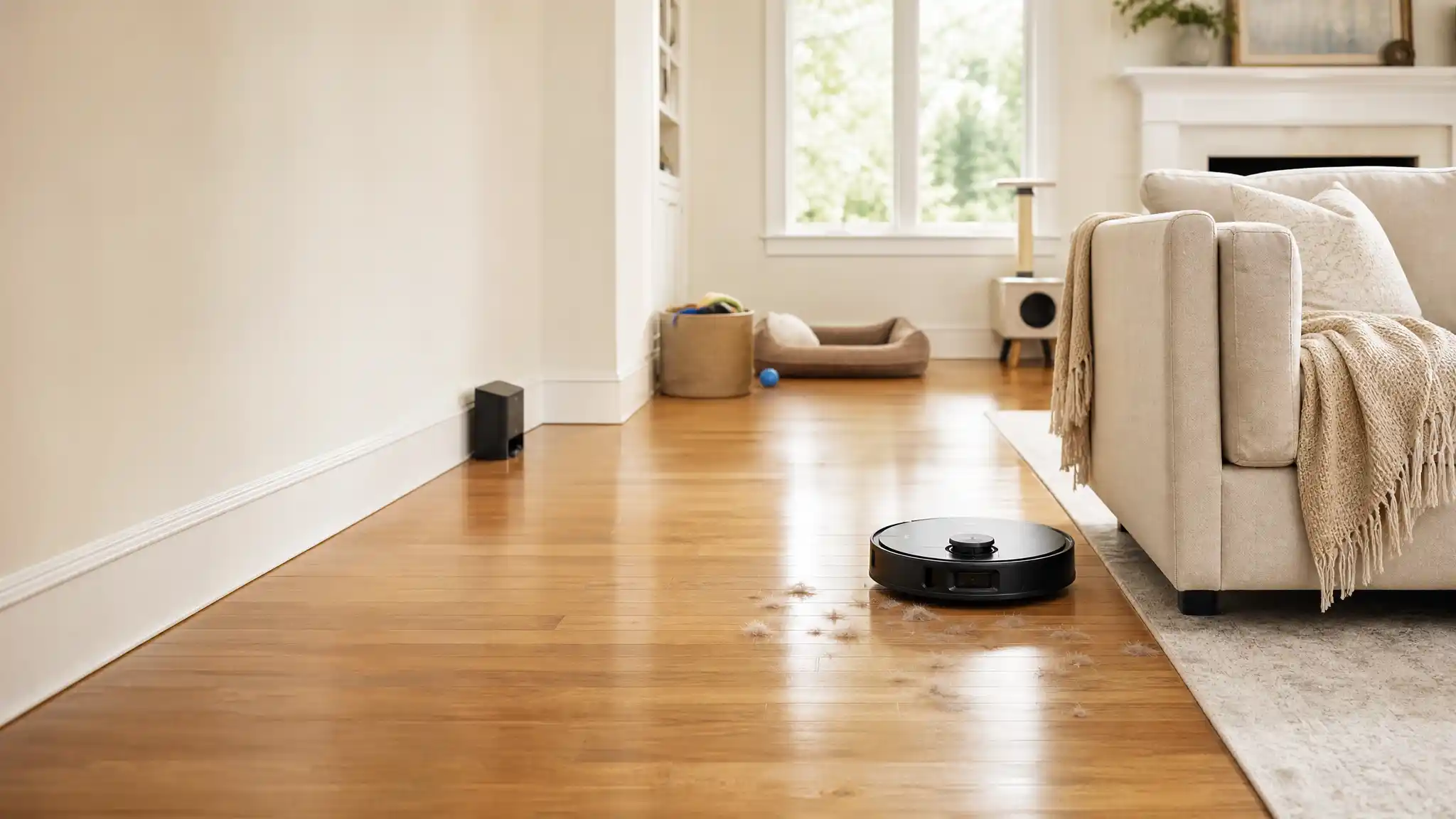

Virginia pet owners know that pet hair has a way of reaching every corner of the home. Whether you live in a historic Richmond townhouse, a suburban Fairfax property, or a coastal home near Virginia Beach, keeping hardwood floors clear of fur, dust, and tracked-in debris requires consistent care. The right robot vacuum for pet hair and hardwood floors can make that daily routine much easier.
Unlike traditional upright vacuums, a robotic cleaner can run on a schedule, reach beneath furniture, and maintain cleaner floors between deeper cleaning sessions. However, not every model suits homes with shedding dogs, long-haired cats, area rugs, and natural wood surfaces. Virginia homeowners should choose a robot vacuum that combines reliable suction, smart navigation, gentle floor contact, and low-maintenance pet-hair handling.
Why Virginia Homes Need a Pet-Focused Robot Vacuum
Virginia’s changing seasons can create extra cleaning challenges. In spring, pollen often enters through open windows. Rainy periods may bring mud, leaves, and grit inside. In winter, pets can track small particles across entryways and hallways. Add everyday shedding, and hardwood floors can quickly lose their clean appearance.
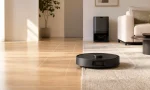
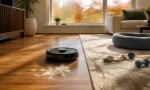
A high-quality robot vacuum for dog hair helps homeowners manage this buildup before it becomes visible. Rather than waiting for fur to gather under sofas or along baseboards, you can set automated cleaning schedules for busy areas. This approach is especially useful for multi-pet households and homes with open-plan living spaces.
For homes with real hardwood, engineered wood, or laminate flooring, the goal is not only strong cleaning. The vacuum must also move smoothly without aggressive brushes or excess moisture that could affect the floor finish.
Essential Features for Pet Hair and Hardwood Floors
The best robot vacuum for hardwood floors should offer more than high suction numbers. Look closely at its cleaning system, navigation technology, and maintenance requirements.
Strong, Adjustable Suction
Pet fur varies widely. Fine cat hair can float into corners, while heavy dog hair may collect in dense clumps near furniture. A robot vacuum with adjustable suction gives you flexibility. You can use a quieter standard setting for everyday dust and increase power in pet-heavy rooms or near rugs.
Strong suction also helps collect crumbs, dirt, and dander without repeatedly passing over the same area. Still, raw power alone does not guarantee good results. The brush design and air path matter just as much.
Anti-Tangle Brush System
Long pet hair often wraps around roller brushes and side brushes. This reduces cleaning performance and creates frequent maintenance. A robot vacuum with anti-tangle brush technology can reduce the time you spend cutting and pulling hair from the roller.
For homes with Golden Retrievers, Huskies, German Shepherds, Maine Coons, or other heavy-shedding pets, this feature can be a meaningful advantage. Look for rubberized rollers, comb-style brush designs, or dual anti-tangle systems that actively direct hair into the dustbin.
Smart Mapping and LiDAR Navigation
A LiDAR robot vacuum maps rooms with laser-based navigation, allowing it to clean in organized paths rather than moving randomly. This feature benefits larger Virginia homes because it improves coverage, reduces missed spots, and supports room-specific cleaning.
Smart mapping also lets you create no-go zones around delicate pet bowls, charging cables, fireplaces, or areas where a vacuum could get stuck. You can tell the robot to focus on the kitchen after feeding time or clean the entryway after a wet walk.
Gentle Performance on Wood Floors
Hardwood needs regular cleaning, but it also deserves careful treatment. Choose a model with soft wheels, responsive sensors, and controlled brush pressure. A reliable hard floor robot vacuum should collect dust and hair without scattering debris or scraping the surface.
If you select a robot vacuum and mop combination, use the mopping function carefully. A lightly damp microfiber pad can help with dried paw prints, but homeowners should avoid leaving standing water on wood. Set low water flow levels and check your flooring manufacturer’s care recommendations before routine mopping.
Self-Emptying Convenience
A self-emptying robot vacuum transfers collected debris from the robot into a larger base station. This is particularly helpful for pet owners because hair can fill a small onboard dustbin quickly. Instead of emptying the robot after every run, you may only need to manage the larger base periodically.
This feature also reduces direct contact with dust, dander, and pet hair, which can benefit households sensitive to indoor allergens. Consider a model with a sealed base and HEPA-style filtration if cleaner indoor air is a priority.
Best Cleaning Strategy for Homes with Pets
Even the best robotic vacuum performs better when you use it strategically. Start by running the vacuum daily in high-shedding zones such as living rooms, hallways, bedrooms, and pet sleeping areas. Daily short runs usually prevent visible fur buildup more effectively than a single long cleaning session each week.
Before each run, pick up cords, pet toys, socks, and small objects. Modern smart robot vacuum models offer obstacle avoidance, but clear floors still produce more efficient and reliable results. You should also clean the roller and side brushes regularly, especially during seasonal shedding periods.
For hardwood floors, place washable rugs near exterior doors and pet entrances. These rugs capture dirt before paws reach the wood. Then use a robot vacuum with edge cleaning to remove fine debris near walls, cabinets, and baseboards.
What Virginia Buyers Should Consider Before Purchasing
Virginia homes range from compact apartments to large, multi-level residences. Before choosing a robotic vacuum, think about your floor plan, pet type, and cleaning habits.
A smaller apartment may only need a quiet, slim model with a reliable pet hair pickup system. A larger house with several pets may justify advanced mapping, multiple room controls, and a self-emptying dock. If your home has both hardwood and carpeted rooms, select a robot vacuum for mixed floors that automatically adjusts cleaning power when it reaches rugs.
Also consider noise. Some pets react to vacuum sounds, especially during the first few uses. Schedule cleanings while you are out, start with a lower suction level, or introduce the machine gradually so animals can become comfortable.
Recommended Amazon Product
For a strong balance of pet-hair performance, hard-floor versatility, mapping, and hands-free maintenance, consider the Shark AV2501AE AI Robot Vacuum with XL HEPA Self-Empty Base. Its Amazon listing highlights LiDAR navigation, a bagless self-emptying base with up to 60-day capacity, Wi-Fi connectivity, and compatibility with both carpet and hard floors. Availability, pricing, and delivery eligibility can vary by Virginia ZIP code, so verify the live listing before purchasing.
Final Thoughts
The best robot vacuum for Virginia pet owners should do more than collect visible fur. It should support a practical routine, protect hardwood surfaces, reach daily messes, and reduce the effort required to keep a pet-friendly home clean. Focus on anti-tangle brushes, controlled suction, smart mapping, soft wheels, and a self-emptying base if you want the most convenient experience.
A well-chosen robotic vacuum will not replace every deep-cleaning task, but it can dramatically reduce pet hair, dust, and daily floor maintenance throughout the year.