
Anti-cheat software has become a cornerstone of modern online gaming, protecting competitive integrity and ensuring fair play in esports and casual multiplayer alike. Yet as these tools grow more sophisticated, so do concerns about user privacy, data collection, and system-level access. This article explains how anti-cheat systems work, why some operate at kernel level, what data they typically collect, the legal and ethical frameworks that apply, and how developers can minimize privacy risks without compromising security. It also offers practical guidance for players who want to safeguard their privacy while enjoying a cheat-free experience.
What anti-cheat software does and why it’s necessary
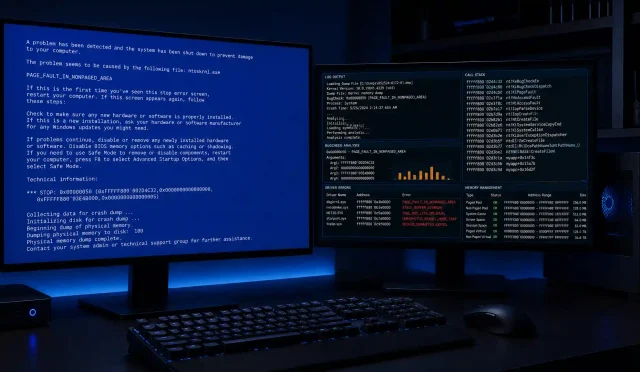
Cheating undermines player trust, destabilizes in-game economies, and can harm the reputations of studios and esports leagues. Anti-cheat solutions detect and deter tactics such as aim assistance, wallhacks, macro automation, or memory manipulation. To do this effectively, they often need deep visibility into the operating environment to spot suspicious drivers, tampered memory, injected DLLs, or anomalous process behavior that indicates cheating tools.
There are three broad layers at which anti-cheat tools operate:

- User-mode anti-cheat: Runs with standard application privileges. It scans game files, checks running processes, and verifies integrity. It’s less invasive but easier for sophisticated cheats to bypass.
- Driver-level (kernel) anti-cheat: Loads a driver with elevated privileges to monitor system calls, memory access, and low-level tampering. This offers stronger detection but raises the most privacy and security concerns if misused or compromised.
- Server-side anti-cheat: Uses telemetry, machine learning, and gameplay analytics to flag improbable inputs (non-human aim patterns, impossible movement) and validates game state against authoritative servers. It’s relatively privacy-friendly but may struggle against undetectable client-side assists without some local checks.
A layered approach is common: lightweight kernel protections for tamper resistance, user-mode checks for known signatures, and server-side analytics for behavior-based detection.
Privacy implications and common concerns
Because anti-cheat tools can access sensitive parts of a system, the main privacy issues include:
- Scope of data collection: What information is scanned or transmitted? Typical data includes process lists, driver signatures, system configuration, and game telemetry. Good practice is to avoid collecting personal files, content, or unrelated application data.
- Storage and retention: How long is data kept, where is it stored, and who can access it? Short retention windows and strict access controls reduce risk.
- Transparency and consent: Players want clear, readable disclosures about when drivers load, what is scanned, and why. Opt-in prompts and visible status indicators help build trust.
- Security of the anti-cheat itself: A kernel driver increases attack surface if poorly designed. Vendors must harden drivers, sign code, and promptly patch vulnerabilities.
Legal and regulatory context
Privacy regulations vary by region, but several principles are consistently relevant:
- Lawful basis and consent: Under frameworks like GDPR, developers need a lawful basis to process data and should obtain informed consent for invasive measures. Clear EULAs and privacy policies are essential.
- Data minimization and purpose limitation: Collect only what’s necessary to prevent cheating; don’t repurpose data for unrelated advertising or profiling.
- User rights: Provide avenues for data access, deletion requests, and appeal mechanisms for bans. Transparent ban reasons and evidence summaries can reduce false positives and disputes.
- Security safeguards: Implement encryption in transit and at rest, rigorous access control, and vendor audits. If third-party anti-cheat providers are used, data processing agreements should be in place.
Ethical design principles for privacy-preserving anti-cheat
Studios can significantly reduce privacy risks by adopting the following:
- Minimal privileges by default: Only load kernel drivers during gameplay sessions that require them; unload them on exit. Prefer user-mode and server analytics where feasible.
- On-device analysis with selective reporting: Perform most checks locally and transmit only lightweight signals or hashes rather than raw artifacts.
- Differential logging: Use summarized or anonymized telemetry for model training; keep identifiable data strictly limited to fraud investigations and purge it quickly after resolution.
- Independent audits and bug bounties: Invite external security reviews of drivers and data flows. Maintain a vulnerability disclosure program to rapidly remediate issues.
- Clear UX: Show when anti-cheat initializes, explain why elevated access is required, and link to a human-readable privacy summary.
Best practices for gamers who care about privacy
Players can protect themselves without compromising fair play:
- Read the privacy policy and EULA summaries: Look for data categories collected, retention periods, and whether kernel drivers are used.
- Isolate gaming environments: Consider a dedicated Windows user account for gaming, or even a separate machine if you’re highly sensitive to privacy risks.
- Keep systems updated: Many anti-cheat drivers rely on OS security features; timely updates reduce vulnerability exposure.
- Use official clients and stores: Avoid sideloaded launchers or unverified overlays that could trigger false positives or introduce malware.
- Manage startup services: Ensure anti-cheat drivers unload after gameplay. If a driver persists, check vendor documentation or support channels.
- Monitor network traffic if you’re advanced: Power users can inspect outbound connections to verify that telemetry aligns with published policies.
Balancing detection strength with user trust
Perfect detection with zero privacy trade-off is unrealistic, but thoughtful architecture can get close. Server-authoritative game logic, robust replay analysis, and anomaly detection can catch many cheats without deep client introspection. For high-stakes competitive titles, time-limited kernel monitoring during live matches may be justified if it’s transparent, audited, and strictly confined. Ultimately, studios that communicate clearly, minimize data collection, and provide fair appeal processes earn player trust—and that trust is as important to a healthy competitive ecosystem as any technical measure.
The future: privacy-by-design anti-cheat
Emerging techniques can further reduce intrusiveness:
- Hardware-backed attestation: TPM/secure enclave signals can prove integrity without scanning broad system state.
- Sandboxed input validation: Verifying device authenticity and timing patterns can reduce reliance on process scans.
- Federated learning and on-device models: Behavior models trained locally with privacy-preserving aggregation techniques help improve detection without centralizing raw player data.
- Zero-knowledge proofs (longer term): Research into proving client integrity without revealing underlying state may eventually allow strong guarantees with minimal exposure.
For developers, the goal is to move from “collect more to catch more” toward “prove what’s necessary, and nothing more.” For players, choosing titles and platforms that honor this principle is the most effective way to push the industry forward.
Practical checklist for studios
- Publish a concise privacy summary separate from the full policy.
- Explain when and why kernel privileges are required; load only during active sessions.
- Minimize data, encrypt aggressively, and rotate keys.
- Provide ban appeal documentation and response SLAs.
- Commission third-party audits and publish high-level findings.
- Maintain a public changelog for anti-cheat updates that affect privacy.
When thoughtfully implemented, anti-cheat can safeguard fair play without compromising personal privacy. The key is transparency, restraint, and continuous improvement guided by security best practices and user feedback.