
Best Desk Lamps for Chicago’s Seasonal Darkness: A Complete Guide
Why Chicago Winters Demand a Smarter Desk Lamp
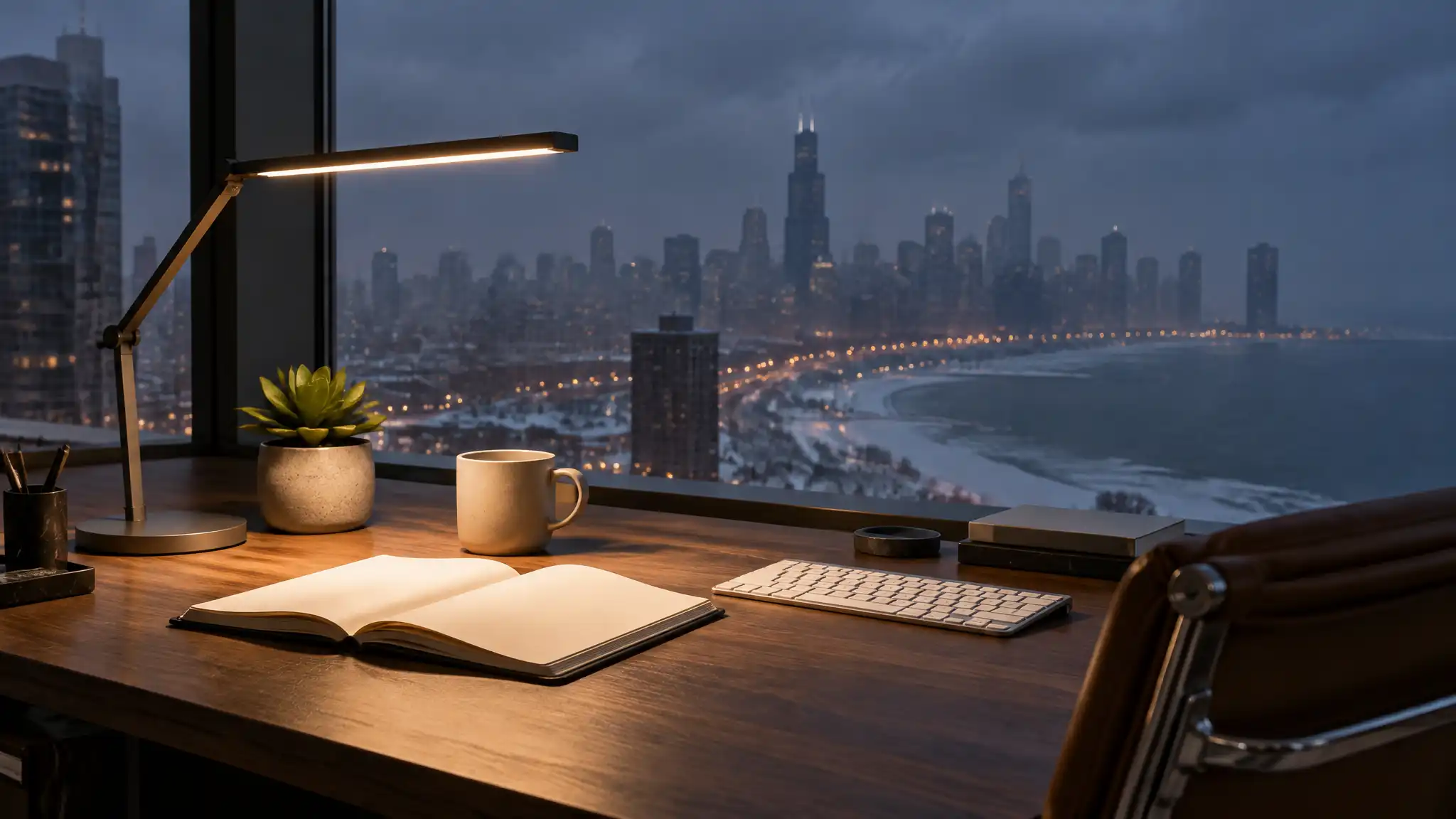
Chicago knows darkness. From late November through February, the city wakes to gray skies and loses the sun by late afternoon. On the shortest days, sunrise arrives after 7 a.m. and sunset lands before 4:30 p.m., leaving roughly nine hours of weak, filtered light. Add the lake-effect cloud cover that parks over the skyline for weeks, and many residents go days without seeing direct sunlight.
That shortage does not stay outside. It follows you to your desk, where a dim overhead fixture or a single lamp struggles to keep your workspace bright. Your eyes strain, your energy dips, and your focus wanders. The right desk lamp changes that equation. A well-chosen light source replaces the missing daylight, keeps your workspace crisp, and supports your mood through the darkest stretch of the year.
What Makes a Desk Lamp Winter-Ready?
Not every lamp earns a spot on a Chicago desk. Look for these features before you buy.
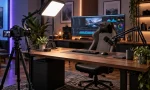
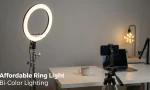
Brightness matters most. Measure it in lumens, not watts. A serious task lamp should deliver at least 800 lumens, while a light therapy lamp should reach 10,000 lux at a usable distance. Check the fine print, because lux drops fast as you move away from the panel.
Color temperature shapes how the light feels. Measured in Kelvin, it ranges from warm amber tones around 2700K to crisp daylight at 5000K and beyond. For winter mornings, cooler light mimics the sun and signals your brain to wake up. For evening work, warmer tones help you wind down.
A high CRI rating ensures colors look true. Choose a lamp with CRI 90 or higher so documents, photos, and video calls appear natural rather than washed out.
The Mood Connection: Light, Circadian Rhythm, and Seasonal Affective Disorder
Chicago’s winter darkness does more than dim your screen. Reduced daylight disrupts your circadian rhythm, the internal clock that governs sleep and wakefulness. When morning light never arrives, your body delays melatonin production, leaving you groggy and sluggish.
For many people, this pattern escalates into seasonal affective disorder, a form of depression that follows the seasons. Light therapy lamp use stands as one of the most studied remedies. Clinicians typically recommend 20 to 30 minutes of bright light within the first hour of waking. You do not stare at the lamp; you simply sit near it while you read, eat breakfast, or answer email.
A desk lamp that doubles as a light therapy lamp delivers a practical advantage. It occupies the same footprint as your regular task light, yet it floods your workspace with 10,000 lux of UV-free, full-spectrum light. That daily dose helps regulate serotonin, sharpens focus, and eases the winter slump without a separate device cluttering your desk.
Color Temperature Explained: Warm White vs. Cool White
Think of color temperature as the mood dial for your workspace. Warm white light, around 2700K to 3000K, feels cozy and inviting. It suits evening reading and relaxed tasks, but it can make you drowsy during a demanding workday.
Cool white and daylight settings, from 4000K to 6500K, mimic the midday sun. They boost alertness, improve contrast, and reduce the urge to squint at fine print. During Chicago’s gray months, a lamp with adjustable color temperature gives you both worlds. Crank it cool for the morning grind, then shift to warm tones as the evening settles in.
Flicker-Free Lighting and Eye Strain: The Hidden Specs That Matter
Cheap lamps hide a nasty secret: flicker. Many LED drivers pulse rapidly, often imperceptibly, and your eyes pay the price. Over a long winter workday, that invisible strobing triggers headaches, dry eyes, and fatigue. Flicker-free lighting eliminates the problem by using steady, high-frequency drivers.
Pair flicker-free output with adjustable brightness, and you protect your eyes further. Dim the lamp when ambient light is adequate, brighten it when the sky darkens at 4 p.m. A lamp with stepless dimming lets you fine-tune the light level instead of jumping between preset steps.
Types of Desk Lamps That Work Best in Chicago Winters
The market offers several shapes, and each fits a different routine.
LED task lamps lead the pack. They run cool, sip power, and last for years. Look for an adjustable arm or gooseneck so you can aim light exactly where you need it.
Light therapy lamps deserve serious consideration for winter. Models like the Verilux HappyLight series combine a bright therapy panel with a compact desk footprint. Use them for a morning session, then keep them on as task lighting.
Full-spectrum lamps claim to replicate natural sunlight more completely. While marketing hype runs high, a quality full-spectrum LED with a high CRI delivers genuinely pleasant, balanced light.
Architect lamps with swing arms suit drafting, crafting, and detail work. Their long reach covers a wide work surface, and their weighted bases keep them stable.
Smart lamps add another layer of convenience. Many pair with phone apps or voice assistants, letting you schedule a bright wake-up session or dim the light automatically as evening arrives. If you work odd hours, a lamp with a memory function remembers your favorite settings, so one touch restores your ideal winter setup.
Placement and Setup Tips for Maximum Benefit
Where you put the lamp matters as much as what you buy. Position the light source to the side of your monitor, never behind it, to avoid glare and screen reflections. Angle the head so light falls on your documents and keyboard, not into your eyes.
For light therapy sessions, place the panel 12 to 24 inches from your face, off to the side, and keep your eyes open without staring into the bulb. Run the session within an hour of waking for the strongest circadian rhythm benefits. Combine the lamp with your ambient room lighting; a single bright spot in a dark room creates harsh contrast that tires your eyes.
Also consider a second lamp for reading corners or side tables. Long Chicago winters keep people indoors, and a portable, rechargeable model lets you carry bright light from the home office to the couch without hunting for an outlet.
Energy Efficiency and Longevity
A winter-ready desk lamp should also be kind to your electric bill. Energy-efficient LED lamps consume a fraction of the power of older incandescent models while producing more light. Most quality LEDs last 25,000 to 50,000 hours, meaning a lamp bought this winter could still shine a decade from now.
Always check the driver quality and warranty before purchasing. A well-built lamp with a three-year warranty costs more upfront but avoids the cheap-lamp cycle of annual replacements.
Final Thoughts
Chicago’s seasonal darkness is predictable, but your response to it does not have to be passive. Choose a lamp with high brightness, adjustable color temperature, flicker-free lighting, and a high CRI. Add a light therapy lamp to your morning routine if the winter blues creep in. Position everything thoughtfully, and your desk becomes a bright, warm, productive refuge no matter what the sky does.
The best desk lamps for Chicago’s seasonal darkness do not just illuminate your work; they protect your eyes, steady your mood, and carry you through the gray months with energy intact.
Product Recommendation (Amazon.com): Verilux HappyLight Lucent Light Therapy Lamp – 10,000 Lux, UV-Free LED — Featuring an Amazon’s Choice badge, a 4.5/5 rating, and more than 9,000 reviews, this compact lamp delivers 10,000 lux of UV-free, full-spectrum light with a single touch. It serves as both a light therapy device and a desk lamp, making it a practical choice for Chicago’s dark winter mornings.