
Best Dash Cams for Rideshare Drivers (Uber & Lyft) in 2026
Rideshare driving has changed a lot in recent years. In 2026, drivers do more than pick up and drop off passengers. They manage ratings, protect their vehicles, handle customer disputes, and stay alert in busy city traffic for hours at a time. That is exactly why a reliable rideshare dash cam is no longer optional for many drivers. It has become a practical tool for safety, proof, and peace of mind.
If you drive for Uber or Lyft, the right camera setup can protect your income just as much as it protects your car. A good Uber dash cam records what happens on the road, while a solid Lyft dash cam setup also helps document what happens inside the vehicle. For rideshare work, that inside view matters more than many new drivers expect.
In 2026, the best dash cams for rideshare drivers focus on three things: clear footage, dependable storage, and complete coverage. According to current 2026 rideshare-focused buying guides from The Rideshare Guy and Nexar, interior recording, night clarity, and multi-angle coverage remain the most important features for active drivers. That trend makes sense. A rideshare driver faces traffic risks, passenger misunderstandings, and late-night trips far more often than the average commuter.

Why Rideshare Drivers Need a Different Type of Dash Cam
A standard dash cam may work fine for personal driving, but rideshare work demands more. When you drive strangers every day, you need evidence from more than one angle. A simple front-facing camera cannot tell the full story during a complaint, an accident, or a difficult interaction.
That is why many drivers now prefer an interior camera dash cam or a 3 channel dash cam. This type of setup records the road ahead, the cabin, and often the rear of the vehicle. It gives drivers broader protection during every shift.
For example, if another car cuts you off and causes a crash, a front and rear dash cam setup can show the event from multiple angles. If a passenger makes a false accusation, in-cabin recording can protect you. If something happens while your car is parked, parking mode can capture motion or impact before you even return to the vehicle.
A dash cam also changes behavior. Many passengers act more respectfully when they know a camera is present. Drivers feel more confident. Disputes become easier to resolve. In a job where ratings and reports can affect your earnings, that confidence matters.
The Features That Matter Most in 2026
Not every camera deserves a place in a rideshare vehicle. If you want a smart purchase, focus on features that solve real driving problems.
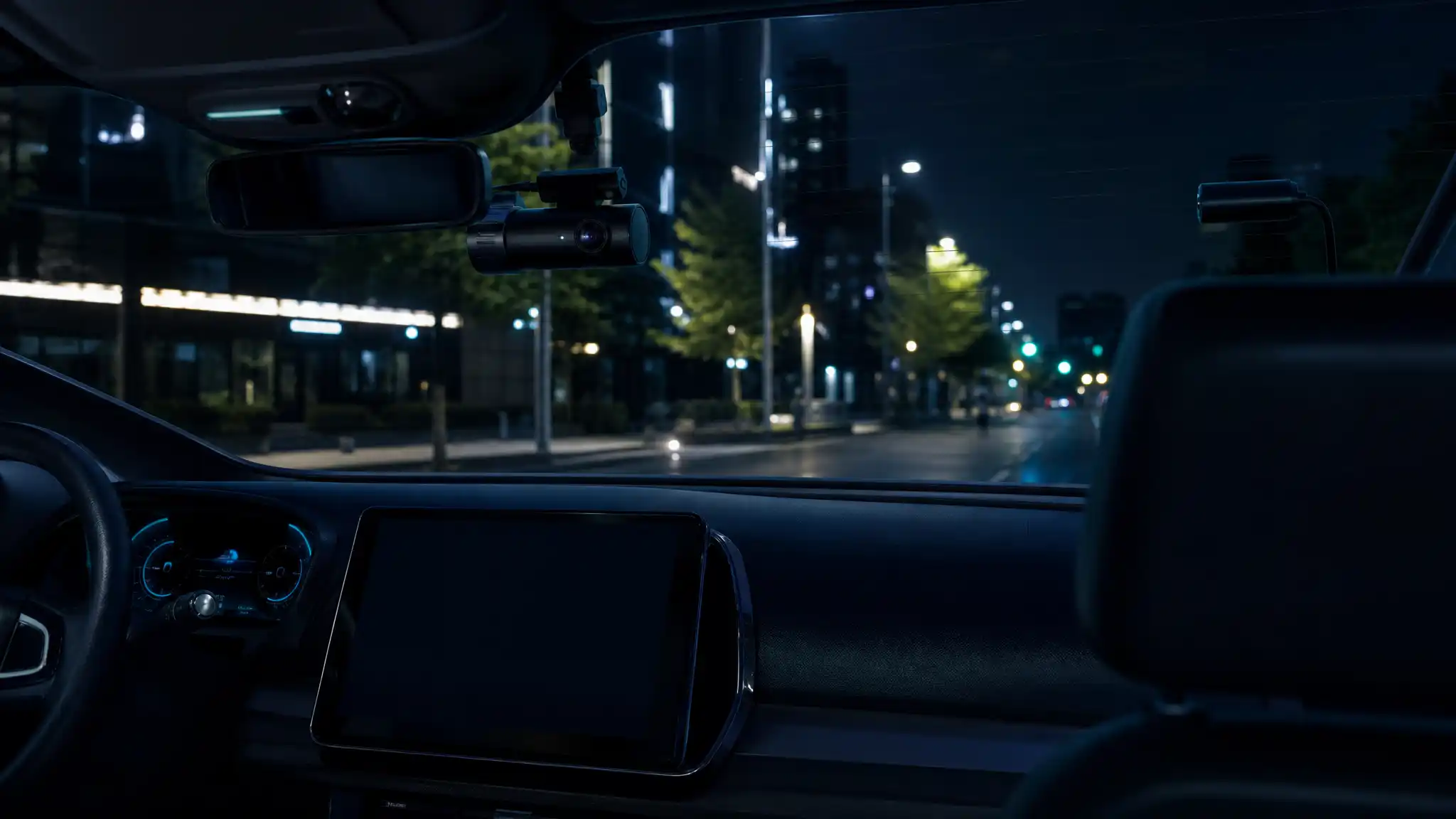
First, look for strong low-light performance. A quality night vision dash cam makes a huge difference because rideshare demand often peaks in the evening, on weekends, and after events. Clear night footage helps you read movement, identify passengers, and preserve useful evidence.
Second, choose a system with reliable loop recording. Continuous recording keeps the camera working without manual effort. The oldest files get overwritten automatically, so the camera stays ready throughout long shifts.
Third, make sure the camera includes a G-sensor dash cam function. This feature detects sudden impact or hard braking and locks the relevant file so it does not get erased. That can save critical footage after an accident or aggressive encounter.
Fourth, a GPS dash cam adds another layer of proof. It can log route data, speed, and time, which helps verify where an event occurred. For rideshare drivers, that extra context can strengthen a case during insurance disputes or platform reviews.
Fifth, many drivers now want a Wi-Fi dash cam for convenience. Fast wireless access makes it easier to review, download, and share footage from your phone. You do not have to remove the memory card every time you need a clip.
Finally, some premium drivers prefer cloud backup dash cam options. Cloud features can protect footage even if the device is damaged, stolen, or disconnected. While not every driver needs cloud storage, it can be a strong advantage for those who want immediate remote access to recordings.
Best Dash Cam Setups for Uber and Lyft Drivers
The best setup depends on your driving style, shift hours, and budget.
If you drive occasionally and mostly during the day, a dual camera may be enough. A front-facing road camera plus an interior lens can cover the basics. This option works well for part-time rideshare drivers who want protection without a premium price.
If you drive nights, airports, bar zones, or high-traffic downtown areas, a triple-camera setup makes more sense. A 3 channel dash cam records the front, the cabin, and the rear. This is often the most balanced solution for serious rideshare drivers because it covers the most common risks in one system.
If you park on the street, leave your car unattended between trips, or work in high-risk areas, invest in advanced parking surveillance. A system with parking mode, impact alerts, and reliable storage can document hit-and-runs, vandalism, and suspicious activity.
As 2026 product trends show, more drivers also care about heat resistance, supercapacitor power design, app support, and strong sensors. On current Amazon rideshare dash cam results, the most competitive models increasingly combine GPS, Wi-Fi, night vision, and multi-channel recording. That combination reflects what modern rideshare work actually demands.
How Dash Cams Protect Your Ratings, Time, and Income
Dash cams do more than record accidents. They help drivers defend their professional reputation.
Imagine a passenger claims you drove recklessly. Video can show the traffic conditions. Imagine a rider says you made an inappropriate comment or refused a stop unfairly. Interior footage can provide context. Imagine someone damages your interior, leaves a mess, or acts aggressively. Recorded evidence can support your report.
Without footage, a complaint often becomes your word against someone else’s. With footage, you shift the conversation from opinion to proof.
That matters because every rideshare driver depends on access to the platform. False reports, low ratings, and unresolved disputes can reduce trip volume or trigger account issues. A dash cam acts like an impartial witness. It does not get emotional, forget details, or change its version of events.
Drivers also save time when they have clear evidence. Instead of writing long explanations, they can provide accurate clips with timestamps. That makes communication faster with insurance companies, law enforcement, or platform support when needed.
What Most Drivers Get Wrong When Buying a Dash Cam
Many new drivers buy the cheapest camera they can find. That often leads to disappointment. A low-cost model may look fine on paper, but weak night performance, poor app support, overheating, or unreliable storage can make it useless when you actually need it.
Another common mistake is buying a camera without an interior lens. That works for regular commuting, but rideshare work is different. A dash cam built for Uber and Lyft should account for passenger interaction, not just road footage.
Some drivers also ignore storage quality. Even the best camera will fail if paired with a weak memory card. Long hours of daily recording create heavy wear. Use a high-endurance card designed for constant writing.
Placement is another issue. If the camera blocks too much of your view or misses the cabin angle, you lose important detail. Mount the unit carefully and test it before starting a shift.
Finally, drivers sometimes forget local recording laws. Rules vary by location, especially for audio. It is smart to check your area’s requirements and post visible notice if needed. A short disclosure can protect both you and your passengers.
So, What Is the Best Choice in 2026?
The best dash cam for rideshare drivers in 2026 is not simply the most expensive one. It is the model that matches your real working conditions.
If you want the safest all-around option, choose a triple-channel model with interior infrared recording, strong night clarity, GPS, Wi-Fi, and dependable parking protection. That setup gives most full-time Uber and Lyft drivers the best balance of coverage and usability.
If you drive part-time, a front-and-inside dual camera may be enough, especially if you work in daylight and lower-risk areas. If you want extra peace of mind, step up to a rear camera as well.
In practical terms, the best dash cam is the one that records clearly every day without demanding your attention. It should start automatically, store footage reliably, and help you retrieve clips quickly. Rideshare drivers already manage enough during a shift. Your camera should reduce stress, not add to it.
Final Verdict
Rideshare driving in 2026 requires more protection than ever. Traffic is denser, customer expectations are higher, and disputes can happen fast. The right dash cam does not just record your day. It protects your side of the story.
A strong rideshare setup should help you in four key moments: when an accident happens, when a passenger disputes something, when your car is parked, and when you need fast proof. That is why features like interior recording, night vision, GPS, parking mode, and app access matter so much.
If you drive for Uber or Lyft regularly, a quality dash cam is one of the smartest upgrades you can buy. It supports your safety, protects your earnings, and helps you drive with confidence every single shift.
Amazon.com Product Recommendation
Recommended product: Vantrue New N4S 3 Channel Dash Cam
Why this one stands out: it fits rideshare needs well because it offers front, rear, and inside coverage, plus Wi-Fi, GPS, and night-vision-focused features.