
Best Robot Vacuums for Pet Hair and Dust in Georgia
Keeping a home clean becomes more challenging when pets shed daily. Dog hair, cat fur, tracked-in dirt, fine dust, and allergens can quickly collect on carpets, hardwood floors, rugs, and beneath furniture. For busy pet owners in Georgia, a high-quality robot vacuum can make regular floor care easier, faster, and more consistent.
The best robot vacuums for pet hair and dust in Georgia do more than move randomly around a room. They use smart navigation, strong suction, anti-tangle brushes, filtration systems, and app controls to clean high-traffic areas efficiently. Many advanced models also empty their own dustbins, which reduces the amount of direct contact you have with pet fur and dust.
This guide explains what makes a robotic vacuum suitable for homes with pets, which features matter most, and how to choose a reliable model for your household.
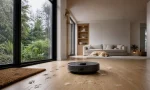
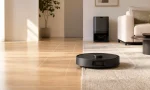
Why Pet Owners in Georgia Benefit from a Robot Vacuum
Pets bring joy, companionship, and energy into a home, but they also bring fur, dander, litter debris, and outdoor dirt. Even short-haired pets can leave a noticeable layer of hair on floors and furniture. During shedding seasons, the cleaning workload can increase dramatically.
A robot vacuum for pet hair helps you stay ahead of this daily buildup. Instead of waiting until visible fur gathers in corners, you can schedule the vacuum to clean every day or several times per week. This routine prevents hair from becoming embedded in rugs and carpets.
Robot vacuums also work well for households that need a practical daily cleaning routine. They can clean while you work, run errands, prepare meals, or relax at home. Many models return to their charging dock automatically when their battery runs low, so they require less manual attention than traditional vacuum cleaners.
For homes with multiple pets, robotic cleaning can reduce the time spent sweeping. It will not completely replace deep cleaning, but it can make your regular vacuuming schedule much more manageable.
The Most Important Features for Pet Hair and Dust
Not every robot vacuum performs equally well with fur, dust, and carpets. Before buying one, focus on the following features.
Strong Suction Power
Suction power matters because pet hair can cling to carpet fibers and settle inside cracks along hard floors. A robot vacuum with powerful suction can lift loose debris, fine dust, and embedded hair more effectively.
However, suction ratings alone do not determine cleaning quality. Brush design, airflow, navigation, and carpet detection also affect results. Look for a machine that combines strong suction with a brush system designed for mixed surfaces.
A good carpet cleaning robot should automatically increase power when it moves from hard flooring onto a rug or carpet. This feature helps the device collect hair that sits deeper in carpet piles.
Anti-Tangle Brush Design
Long pet hair and human hair can wrap around traditional roller brushes. This causes reduced performance and forces you to cut or pull hair off the brush manually.
An anti-tangle brush or dual rubber brush system can make a big difference. These designs reduce hair wrapping and guide fur into the dustbin more efficiently. Pet owners with long-haired cats, Golden Retrievers, Huskies, or similar breeds should prioritize this feature.
Even the best hair-resistant brush needs occasional maintenance. Check the brush weekly, remove trapped debris, and clean the side brush when necessary.
HEPA-Style or High-Efficiency Filtration
Pet dander and fine dust can affect indoor air quality, especially for people with allergies. A robot vacuum with a HEPA filtration system or high-efficiency filter can capture smaller particles before the air leaves the machine.
This feature is especially valuable in homes with allergy-sensitive family members. While no robot vacuum can eliminate every allergen, consistent cleaning and effective filtration can reduce the dust and dander that settle on floors.
Replace filters according to the manufacturer’s guidance. A clogged filter can lower suction and reduce the vacuum’s overall effectiveness.
Self-Emptying Dock
A self-emptying robot vacuum automatically transfers collected dirt, hair, and dust from its onboard bin into a larger station. This feature is one of the most useful upgrades for pet owners.
Instead of emptying a small dustbin after every cleaning cycle, you may only need to empty the larger base periodically. This saves time and helps the vacuum maintain strong suction during longer cleaning sessions.
Self-emptying systems are ideal for multi-pet households, larger homes, and people who want a more hands-free cleaning experience. They also reduce the chance that a full robot bin will stop cleaning halfway through a scheduled run.
Smart Mapping and Navigation
Random-navigation models may work in smaller spaces, but they can miss areas or spend too much time revisiting the same spot. A LiDAR navigation system or smart mapping feature allows a robot vacuum to create an organized layout of your home.
Smart mapping helps the robot clean rooms in efficient rows, avoid repeated paths, and return to areas it missed. You can often label rooms in the app and send the robot to clean specific places, such as the kitchen, entryway, or pet feeding area.
For homes with several rooms, a multi-room mapping feature offers more control. It allows you to create schedules for individual spaces and customize cleaning intensity where pet hair collects most often.
Best Floor Types for a Pet Hair Robot Vacuum
Hardwood, Tile, and Laminate Floors
Hard flooring makes pet hair easy to see, but it can still gather under sofas, beds, dining tables, and cabinets. A hard floor robot vacuum can sweep loose fur, dust, and crumbs from these areas every day.
Look for strong edge cleaning and a reliable side brush. These features help the vacuum reach along baseboards and into corners where fur tends to collect.
If you choose a vacuum-and-mop combination, use the mopping feature thoughtfully. Vacuuming should remain the priority for pet hair, while mopping can help manage dried paw marks and fine dust on sealed hard floors.
Rugs and Carpets
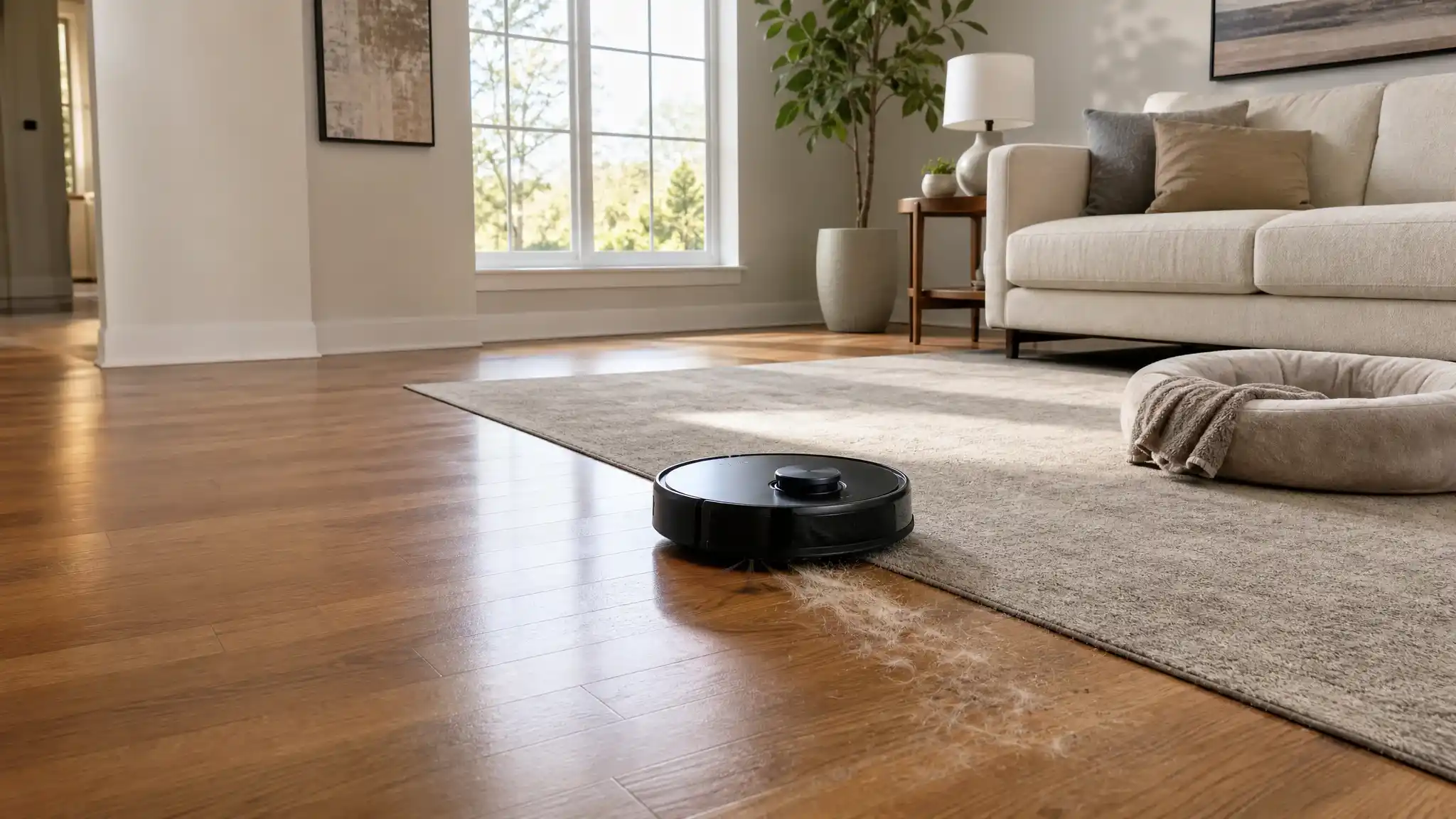
Carpets can trap fur, dirt, and dander more deeply than hard floors. Pet owners should choose a model with strong suction, carpet boost, and a brush roll that agitates the carpet surface.
A robot with an automatic carpet boost can increase its power when it detects carpet. This prevents the robot from using the same low-power setting across every surface.
If your home has thick rugs or high-pile carpeting, check the robot’s wheel design and clearance. Some models struggle to climb onto taller rugs or may become stuck on loose fringe.
Smart Features That Make Cleaning Easier
Modern robot vacuums can do much more than clean on demand. App-connected models let you create a robot vacuum cleaning schedule that matches your lifestyle.
For example, you can schedule the robot to clean the living room each morning after the dog’s walk, then clean the kitchen in the evening. You can also run an extra cleaning cycle during heavy shedding periods.
Many devices support no-go zones. These virtual boundaries tell the vacuum where it should not travel. You can block pet bowls, charging cords, play areas, litter boxes, or fragile furniture.
Obstacle avoidance also matters in pet-friendly homes. Advanced models can detect objects such as shoes, cables, and some pet-related items before they collide with them. Still, you should remove small toys, cords, and accidents from the floor before starting a cleaning cycle.
Voice control can add convenience if you already use a compatible smart-home system. However, app controls, mapping, and cleaning reliability should matter more than voice commands when choosing a model.
How to Choose the Right Robot Vacuum for Your Home
Start by evaluating your floors, pets, home size, and cleaning expectations.
If you live in a smaller apartment with hard flooring, a slim robot vacuum with good suction and a washable filter may be enough. If you have multiple pets, carpeted rooms, and a larger home, invest in a model with smart mapping, anti-tangle brushes, and a self-emptying base.
Consider these questions before buying:
- Does your pet shed lightly, moderately, or heavily?
- Do you have carpet, rugs, hardwood, tile, or mixed flooring?
- Do you need help managing allergy-related dust and dander?
- Will the vacuum clean one room or an entire home?
- Do you want to empty the dustbin manually, or do you prefer a self-emptying base?
- Are there cords, pet toys, thresholds, or furniture legs that may affect navigation?
Do not choose a vacuum based only on the highest advertised suction figure. A reliable pet hair vacuum cleaner needs balanced performance: strong pickup, good brushes, smart navigation, dependable filtration, and easy maintenance.
Maintenance Tips for Better Performance
A robot vacuum performs best when you maintain it consistently. Empty the dustbin or self-emptying base before it becomes overfilled. Clean the roller brush, side brush, sensors, and wheels regularly.
Wash or replace filters according to the manufacturer’s instructions. Dirty filters reduce airflow and can limit the machine’s ability to collect fine dust.
You should also inspect the charging dock area. Keep it clear, place it against a wall, and give the robot enough open space to return home successfully.
For homes with heavy shedding pets, run the vacuum daily. Short, frequent cleanings generally work better than one long weekly cleaning session. This approach keeps pet fur from building up in corners and along furniture edges.
Final Thoughts
The best robot vacuum for pet hair and dust should fit your home rather than simply offer the most features. Pet owners in Georgia should prioritize suction performance, anti-tangle technology, filtration, mapping, and easy dust disposal.
A well-chosen robotic vacuum can keep floors visibly cleaner, reduce daily sweeping, and make pet ownership easier to manage. Use it as part of a regular cleaning plan, maintain the brushes and filters, and schedule frequent runs in the rooms where your pets spend the most time.
Amazon.com Product Recommendation
Shark AV2501AE AI Robot Vacuum with XL HEPA Self-Empty Base is a practical option for pet households because it offers LiDAR navigation, a bagless self-emptying base with up to 60-day capacity, HEPA filtration, and cleaning support for carpet and hard floors. Check current pricing, delivery availability, and listing specifications directly on Amazon.com.