
Best Power Products for Disaster Preparedness Kits
Disasters strike without warning. Earthquakes, hurricanes, floods, wildfires, and prolonged blackouts can instantly cut access to electricity. In these moments, power becomes more than a convenience—it becomes a lifeline. Disaster preparedness kits often focus on food, water, and first aid, but reliable power solutions deserve equal attention.
This in-depth guide explains the best power products for disaster preparedness kits, how they work, and how to choose the right combination for your needs. The goal is to help you stay informed, connected, and safe when the grid goes down.
Why Power Is Critical in Disaster Preparedness
Electricity supports nearly every aspect of modern survival. During emergencies, power products allow you to:

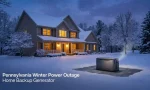
- Charge phones for emergency calls and alerts
- Power radios to receive official instructions
- Run medical devices such as CPAP machines
- Use lighting to prevent injuries at night
- Keep small appliances and tools operational
Without backup power, even well-prepared households can become vulnerable. That’s why emergency power planning should be proactive, not reactive.
Key Factors When Choosing Emergency Power Products
Before diving into product categories, consider these essential criteria:
Capacity and Output
Measure power in watt-hours (Wh) and output in watts (W). Small devices need low wattage, while appliances require higher output.
Portability
Disaster kits must remain mobile. Lightweight and compact power solutions work best for evacuation scenarios.
Recharge Options
The best emergency power products offer multiple charging methods such as solar, wall outlets, and car chargers.
Durability and Safety
Shock resistance, temperature tolerance, and battery management systems matter during harsh conditions.
Portable Power Stations: The Backbone of Emergency Power
Portable power stations have transformed disaster preparedness. Unlike traditional generators, they operate silently and produce no fumes.
Why They Matter
Portable power stations store energy in lithium-based batteries and deliver AC and DC power through multiple ports. They can power phones, laptops, medical equipment, and even small refrigerators.
Advantages
- Zero emissions and indoor-safe
- Low maintenance
- Instant startup
- Multiple device compatibility
For most households, a mid-capacity power station is the most versatile emergency power solution.
Solar Chargers: Renewable Power When the Grid Fails
When outages last longer than expected, solar chargers become invaluable.
How Solar Power Supports Disaster Kits
Solar panels convert sunlight into usable energy, allowing you to recharge batteries and power stations without fuel.
Best Use Cases
- Extended blackouts
- Remote or rural areas
- Post-disaster recovery periods
Foldable solar chargers pair exceptionally well with portable power stations, creating a renewable energy loop that boosts long-term resilience.
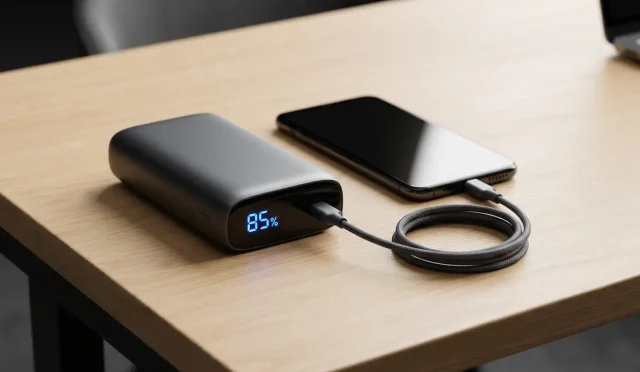
Power Banks: Compact and Essential
Power banks are small, affordable, and easy to include in any emergency kit.
Why Power Banks Still Matter
While they lack the capacity of power stations, power banks provide fast, reliable charging for phones and small devices.
Ideal Scenarios
- Short-term outages
- Evacuation kits
- Personal emergency bags
Choose models with high mAh ratings, fast charging, and rugged casings for maximum reliability.
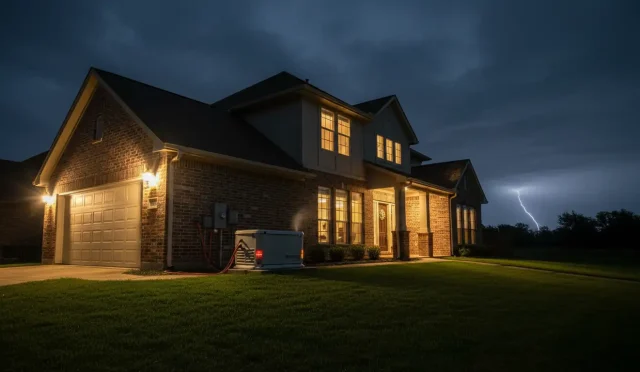
Emergency Generators: High Output for Critical Needs
For households with higher energy demands, emergency generators still play a role.
Generator Strengths
- High wattage output
- Can power large appliances
- Suitable for whole-home backup
Limitations
- Require fuel
- Produce noise and emissions
- Need outdoor operation
In disaster kits, generators work best as a secondary or home-based solution rather than a portable option.
Hand Crank and Multi-Function Chargers
When all else fails, manual power sources provide a last line of defense.
Why Hand Crank Chargers Matter
They generate power through physical motion, ensuring you can charge radios or phones even without sunlight or fuel.
Best Applications
- Emergency radios
- Flashlights
- Minimal phone charging
These devices won’t power appliances, but they offer peace of mind in worst-case scenarios.
Battery-Powered Lighting Solutions
Lighting is often overlooked, yet it’s essential for safety and morale.
Recommended Options
- LED lanterns
- Headlamps
- Motion-sensor emergency lights
LED lighting consumes very little power, making it ideal for prolonged outages.
Power Solutions
Households with medical requirements need extra planning.
Critical Considerations
- Battery capacity for extended use
- Pure sine wave output for sensitive devices
- Redundant charging methods
Portable power stations with medical-grade output stability are strongly recommended for these situations.
Building a Balanced Disaster Power Strategy
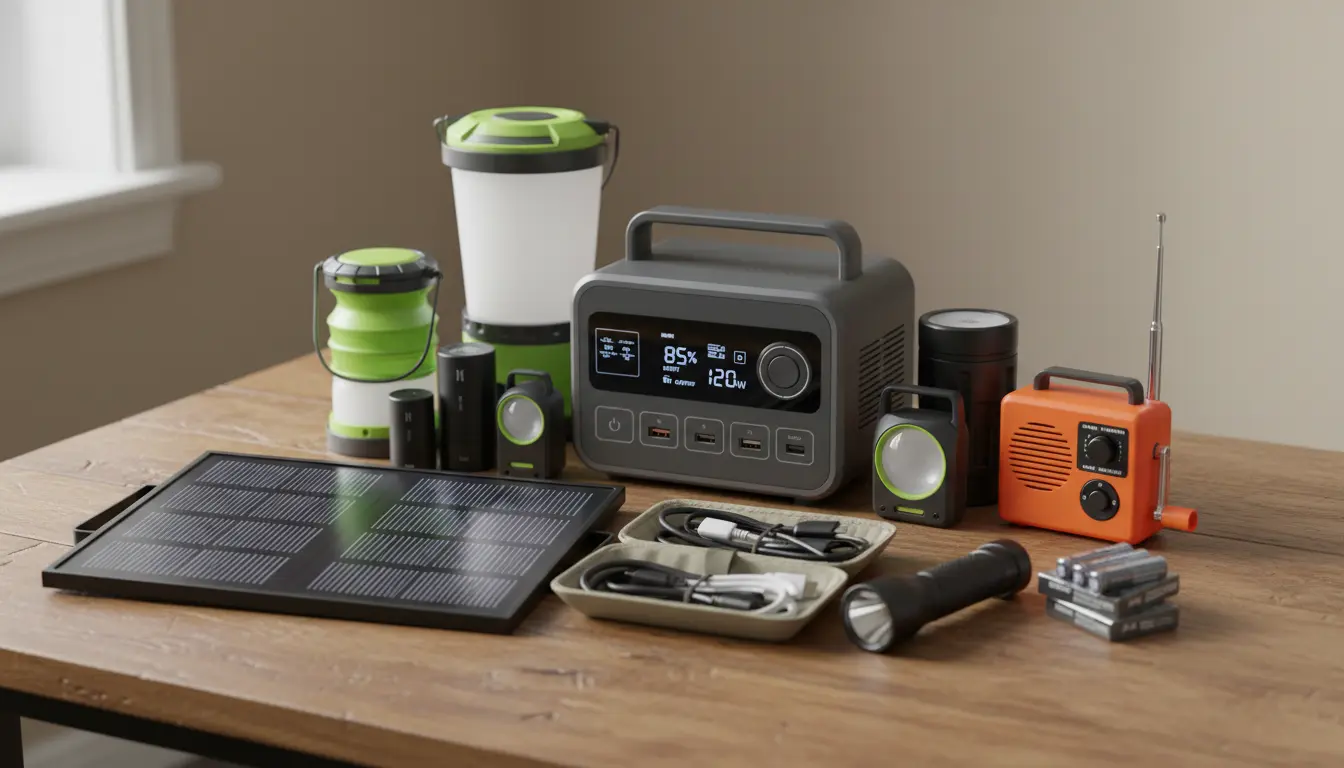
The most effective disaster preparedness kits use layered power solutions. Instead of relying on a single product, combine several tools:
- Portable power station for core needs
- Solar charger for long-term sustainability
- Power banks for personal devices
- Manual chargers for emergencies
This diversified approach ensures adaptability under unpredictable conditions.
Maintenance and Storage Best Practices
Even the best power products fail if neglected.
Maintenance Tips
- Recharge batteries every 3–6 months
- Store in cool, dry environments
- Test devices regularly
Consistent upkeep extends battery life and ensures readiness when disaster strikes.
Common Mistakes to Avoid
Many people underestimate power needs. Avoid these common errors:
- Choosing insufficient capacity
- Ignoring solar compatibility
- Relying on a single power source
- Forgetting charging cables and adapters
Preparation succeeds through attention to detail.
The Future of Emergency Power Technology
Battery technology continues to evolve. Lighter lithium iron phosphate (LiFePO4) batteries, higher efficiency solar panels, and smarter energy management systems are shaping the future of disaster preparedness.
Investing in modern power products today increases long-term security and adaptability.
Recommended Amazon Product
Jackery Explorer 1000 Portable Power Station
This model stands out for disaster preparedness due to its reliable lithium battery, multiple AC outlets, solar compatibility, and user-friendly design. It balances portability with enough capacity to power essential devices during extended outages.
Conclusion
Power is the backbone of modern disaster preparedness. From portable power stations to solar chargers and compact power banks, the right combination of products transforms uncertainty into confidence. By planning ahead and investing in reliable emergency power solutions, you protect not only devices but also communication, health, and peace of mind.
Preparedness is not fear-driven—it’s empowerment.