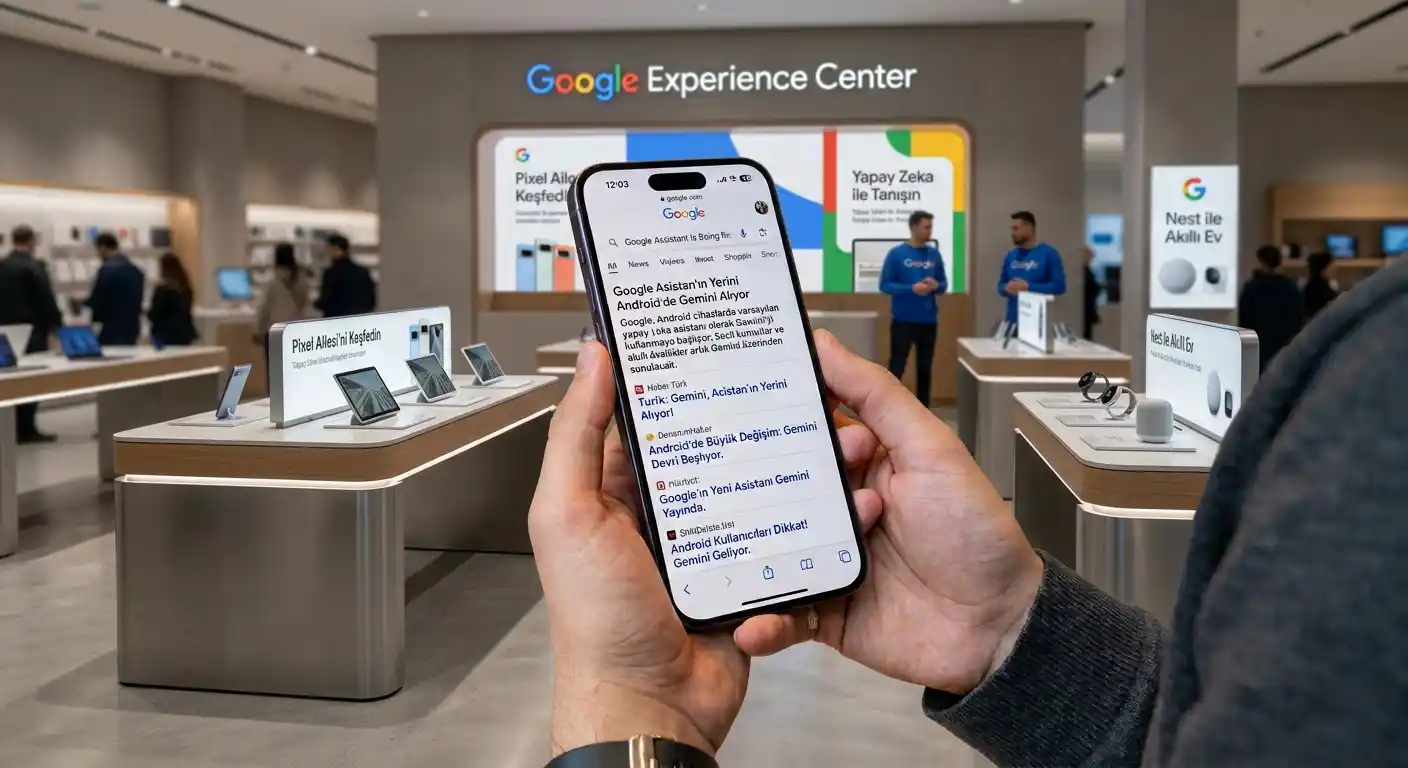

Google is moving Android users into a new era of AI-powered assistance. According to a September 28, 2026 report from 9to5Google, Gemini is now replacing Google Assistant across phones and tablets in the United States and Europe. The change marks a major step in Google’s plan to make Gemini the primary voice assistant on Android.
What Is Changing for Android Users?
The biggest change is the removal of the option to switch back to Google Assistant. In recent Gemini app versions, the familiar “Switch to Google Assistant” shortcut no longer appears in the account menu. This means users cannot choose between the two assistants through the normal settings experience.
Gemini now opens when users long-press the power button or swipe inward from a corner of the screen. These gestures now bypass the classic Google Assistant interface. Instead, they launch Google’s generative AI assistant, which is designed to understand more natural requests and provide conversational answers.
The rollout appears to affect devices and accounts checked in both the United States and Europe. Google began moving Assistant users to Gemini earlier in September, after extending the original transition timeline. The company had initially planned to retire mobile Assistant sooner, but the final migration took longer than expected.
A Wider Ecosystem Transition
This change reaches beyond the Android phone. The reported transition also covers tablets, Wear OS devices, headphones, and Android Auto. For people who use voice commands while driving or wear a smartwatch throughout the day, the change may alter familiar routines.
The move also highlights Google’s effort to build one connected Gemini experience across its hardware ecosystem. Rather than maintaining separate assistant technologies, Google can now focus development on a single AI platform. That approach could make features more consistent, although the experience may vary by device, region, language, and software version.
What Has Not Changed Yet?
Google Nest and Google Home speakers and displays are not included in this mobile transition. These products can still use Google Assistant, so the retirement of mobile Assistant does not mean that every Google smart-home product has immediately moved to Gemini.
That distinction matters for households with several Google devices. A user may interact with Gemini on an Android phone while continuing to use Google Assistant on a Nest speaker. The two experiences may therefore coexist for some time, even as Android becomes increasingly centered on Gemini.
Potential Benefits of Gemini
Gemini offers a more conversational approach to voice assistance. It can handle follow-up questions, summarize information, help draft text, and respond to broader requests than a traditional command-based assistant. For users who want an AI chatbot and personal assistant in one place, that integration may feel more flexible.
Gemini also gives Google a foundation for connecting assistance with services such as Gmail, Google Calendar, Google Maps, and Google Drive. When supported, these integrations could help users plan tasks, find information, or organize their day with fewer separate commands.
However, capability does not always equal convenience. Many people use a voice assistant for simple jobs: setting a timer, controlling music, checking the weather, or sending a message. A successful replacement must perform these tasks quickly and reliably, without forcing users into a longer conversation.
The User Experience Question
Removing the switch-back option creates a decisive transition, but it may frustrate people who prefer the older interface. Some users have built habits around Google Assistant, particularly with hands-free commands, connected headphones, navigation, and Android Auto. Any inconsistency between Gemini and older Assistant behavior could make the change feel disruptive.
The transition also raises questions about accessibility and privacy. Voice assistants can help users control a device without touching the screen, while AI systems process more complex requests and context. Google will need to communicate clearly about permissions, data handling, offline behavior, and supported commands as Gemini becomes the default Android assistant.
What This Means for Android’s Future
The replacement signals that Google sees generative AI as the future of mobile assistance. Gemini is no longer simply an optional app competing with Assistant; it is becoming part of the basic Android interaction model. That shift could influence how manufacturers, app developers, and accessory makers design their products.
For Android users, the best next step is to review Gemini’s settings, permissions, connected apps, and voice features. It is also useful to test common commands before relying on Gemini during driving or other hands-free situations. Software updates may continue changing how the assistant works across phones, earbuds, watches, and cars.
Overall, Google’s move is significant because it changes the default assistant rather than merely adding another AI option. Gemini promises richer conversations and deeper integration, while the loss of Google Assistant may require an adjustment period. The result will depend on whether Gemini can combine intelligence with the speed, reliability, and simplicity that made Assistant useful in everyday life.