
Best Smart Bulbs That Don’t Need a Hub: Complete 1300-Word Guide
Smart lighting has become one of the easiest ways to start building a smart home. However, many people don’t want to invest in an additional hub or bridge just to turn lights on and off. The good news is that hub-free smart bulbs solve this problem. These bulbs connect directly to your Wi‑Fi or Bluetooth, so you can control them with your phone or voice assistant without extra hardware.
In this guide, you’ll learn what to look for in the best smart bulbs that don’t need a hub, how they work, and which features actually matter. At the end, you’ll also find a specific product suggestion available on Amazon.com to help you get started quickly.
What Is a Hub-Free Smart Bulb?
A hub-free smart bulb is an LED bulb that can connect directly to your Wi‑Fi or Bluetooth network without using an additional hub, bridge, or gateway. Traditional smart lighting systems (like some Zigbee-based ones) require a separate box connected to your router. With hub-free bulbs, you simply screw in the bulb, power it on, install the app, and connect.


These bulbs are perfect for:
- Renters who can’t rewire or install extra hardware
- Beginners who want a simple, low-cost smart home setup
- People who live in smaller apartments where a full hub system is unnecessary
Because they skip the hub, setup is usually faster, and you don’t have to worry about compatibility with a separate base station.
Key Benefits of Smart Bulbs Without a Hub
Choosing smart bulbs that don’t need a hub brings several advantages:
1. Easy Setup
You can install and configure most hub-free bulbs in a few minutes. The typical process looks like this:
- Screw the bulb into a lamp or ceiling socket.
- Turn the light switch on.
- Download the manufacturer’s app.
- Follow the on-screen instructions to connect the bulb to Wi‑Fi or Bluetooth.
You avoid extra steps like pairing with a hub, firmware updates on the hub, or dealing with separate pairing modes.
2. Lower Upfront Cost
A smart hub can add a noticeable cost to your setup. If you only want to automate a few lights, buying a hub often doesn’t make sense. Hub-free bulbs allow you to purchase only what you need:
- One or two bulbs to test smart lighting
- A few bulbs for key areas like the living room and bedroom
- The ability to expand slowly, one bulb at a time
This approach keeps your smart lighting budget under control while still giving you advanced features.
3. Direct App and Voice Control
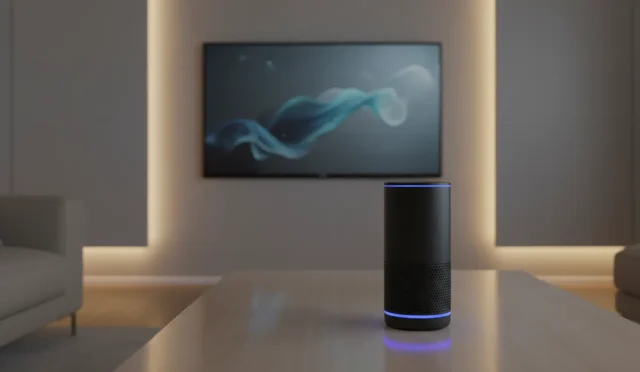
Most Wi‑Fi smart bulbs that don’t require a hub integrate with major voice assistants, such as:
- Amazon Alexa
- Google Assistant
- Sometimes Apple HomeKit (depending on the brand)
This means you can:
- Turn lights on/off with your voice
- Dim or change colors without touching the switch
- Create scenes like “Movie Night” or “Reading Mode” directly in the app
Because the bulbs connect to Wi‑Fi, you can usually control them even when you are away from home, as long as your phone has an internet connection.
Important Features to Look For
When comparing hubless smart bulbs, several features can significantly affect your experience. Paying attention to these points will help you choose a bulb that fits your lifestyle and your home.
1. Connectivity Type: Wi‑Fi vs. Bluetooth
- Wi‑Fi smart bulbs:
- Best for full remote control and integration with voice assistants
- Ideal if you plan to control lights from outside your home
- Can be affected by weak Wi‑Fi in far rooms
- Bluetooth smart bulbs:
- Great for small spaces or single rooms
- Don’t rely on home Wi‑Fi, but range is limited
- Some newer bulbs support both Bluetooth and Wi‑Fi for flexibility
If you want to automate your whole apartment and use Alexa or Google Assistant, Wi‑Fi smart bulbs are usually the better choice.
2. Brightness and Color Options
Not every bulb produces the same light. When selecting a bulb, check:
- Lumen output: A standard living room bulb is usually around 800 lumens (similar to a 60W incandescent).
- Color temperature:
- “Soft white” (2700–3000K) is warm and cozy.
- “Cool white” (4000–5000K) is clearer and better for workspaces.
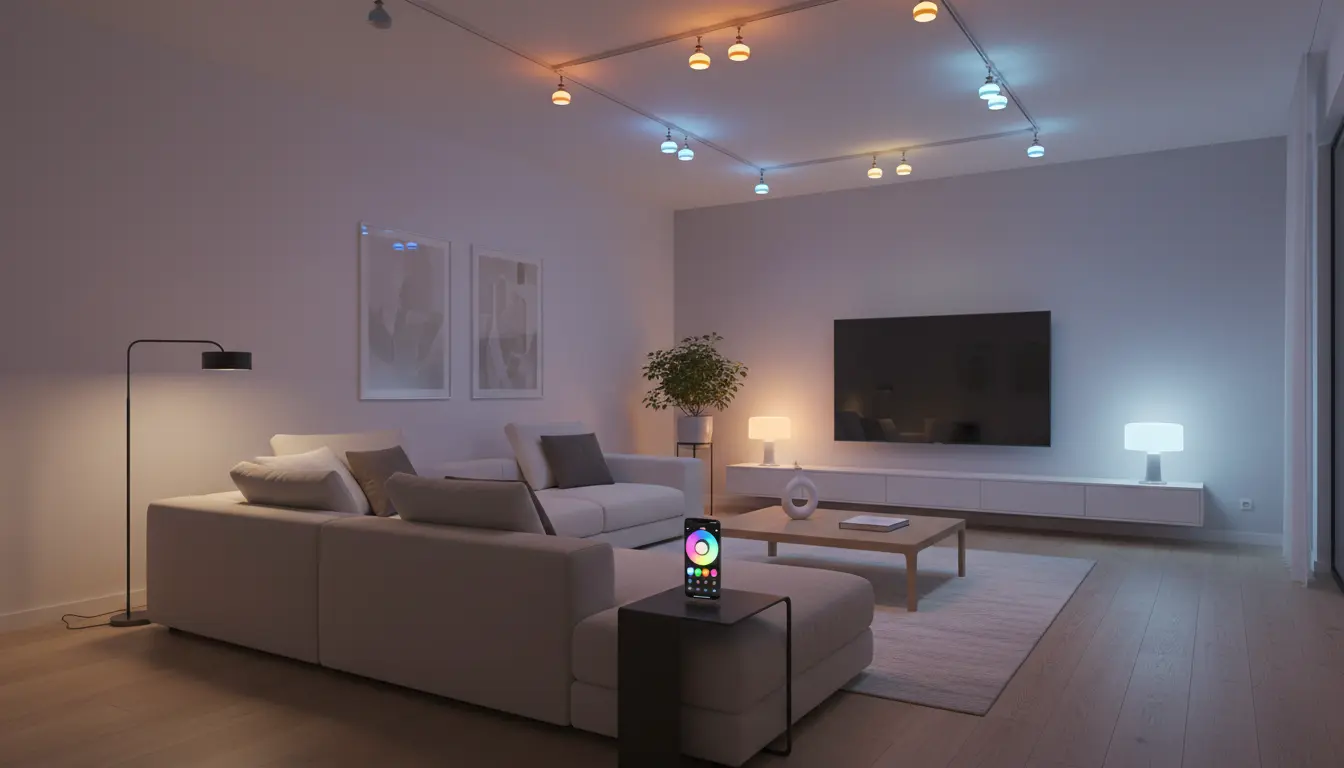
- Full color (RGB):
- Allows millions of colors and dynamic scenes
- Perfect for mood lighting, gaming rooms, or parties
If you mostly want everyday lighting, dimmable white smart bulbs should be enough. For more creative setups, choose color-changing smart bulbs without a hub.
3. App Quality and Automation
The app experience can make or break a smart bulb. A good app should let you:
- Schedule lights to turn on or off at specific times
- Create scenes with different brightness or colors
- Group multiple bulbs to control them as a single unit
- Use features like sunrise/sunset automation
Before you buy, it helps to check recent app reviews on the app store to ensure the brand is actively maintained and easy to use.
4. Voice Assistant and Ecosystem Compatibility
Even if you do not use a voice assistant today, you might add one later. Look for bulbs that support:
- “Works with Alexa” badges
- “Works with Google Assistant” labels
- Optional: “Works with Apple HomeKit,” if you’re deep in the Apple ecosystem
This ensures your hub-free smart bulbs can grow with your smart home over time.
When Are Hub-Free Smart Bulbs the Best Choice?
Hub-free bulbs shine in several common scenarios:
- You live in a rental apartment and want non-permanent smart upgrades.
- You are just starting out and want a simple, low-commitment smart home project.
- You prefer to avoid extra boxes, cables, and configuration steps.
- You are mainly interested in controlling a few key lights, not an entire house.
If you plan to connect dozens of bulbs and lots of sensors, a more advanced ecosystem with a hub might be better. But for most beginners and average households, smart bulbs without a hub provide more than enough flexibility and convenience.
Tips for Getting a Reliable Hubless Smart Lighting Setup
To keep your system working smoothly, consider these practical tips:
- Check Wi‑Fi Coverage
Make sure your router covers all the rooms where you’ll install bulbs. Dead zones can lead to bulbs dropping offline. - Use Consistent Brands When Possible
While you can mix different brands, using the same ecosystem often simplifies grouping, scenes, and app control. - Keep the Physical Switch On
Smart bulbs need constant power. Avoid turning them off with the wall switch; use the app, voice commands, or smart buttons instead. - Update Firmware Regularly
Most apps let you update bulb firmware. This can improve stability, security, and add new features over time.
Recommended Hub-Free Smart Bulb on Amazon
If you want a quick, reliable option available on Amazon.com, consider:
Kasa Smart Light Bulb, WiFi, Multicolor (KL125)
- Connects directly to Wi‑Fi – no hub required
- Works with Amazon Alexa and Google Assistant
- Offers millions of colors plus tunable white
- Includes schedules, scenes, and remote control through the Kasa Smart app
You can find it by searching for “Kasa Smart KL125 multicolor WiFi bulb” on Amazon.