
Best Documentary & Short Film Cameras for Run‑and‑Gun Filmmaking
Creating impactful documentaries or short films often depends more on your camera choice than on your budget. Run‑and‑gun filmmaking is all about moving fast, reacting to real life, and capturing authentic moments with minimal crew and gear. In this context, the best documentary and short film cameras combine reliability, strong image quality, great autofocus, and ease of use.
In this guide, you’ll learn what to look for in a run‑and‑gun camera and see which current models stand out for documentary and short film creators.
What Is Run‑and‑Gun Filmmaking?
Run‑and‑gun filmmaking refers to fast‑paced, highly mobile shooting where you often have:
- Little or no control over locations
- Limited lighting equipment
- Minimal crew or solo operation
- Tight schedules and unpredictable events
You move quickly, change angles constantly, and react to reality instead of staging scenes. Because of this style, your camera must be:
- Lightweight and easy to carry all day
- Reliable in mixed or low light
- Fast to set up and operate
- Capable of delivering high‑quality video that can hold up in post‑production and color grading
Key Features of a Great Run‑and‑Gun Camera
1. Compact Size and Ergonomics
For documentary and short film work, you often shoot handheld. A compact camera body helps you:
- Stay discreet in public or sensitive situations
- Reduce fatigue during long handheld shoots
- Move quickly between locations or angles
Mirrorless cameras and some cinema compacts hit the sweet spot between size and performance.
2. Strong Autofocus Performance
You rarely have time to pull focus manually, especially if you are working alone. Reliable autofocus is critical. Look for:
- Face and eye detection
- Good subject tracking for people in motion
- Consistent performance in low light
Cameras with sophisticated AF systems help you keep interviews, street scenes, and verité footage sharp without constant micro‑adjustments.
3. Low‑Light Capability and Dynamic Range
Documentary situations often push you into less‑than‑ideal lighting: interiors, night streets, or poorly lit events. A strong run‑and‑gun camera must offer:
- Clean high ISO performance
- Good dynamic range to protect highlights and shadows
- Log or flat profiles for color grading flexibility
This combination lets you capture more detail and adjust the look of your film in post.
4. Codec, Bitrate, and Color Profiles
Image quality goes beyond resolution. For serious documentary and short film work, look for:
- 10‑bit 4:2:2 internal recording when possible
- High bitrate codecs for cleaner images
- Log profiles such as S‑Log, V‑Log, C‑Log, F‑Log, or similar
These features help you handle challenging lighting conditions and maintain a cinematic look in the edit.
5. Stabilization
You often shoot handheld or while walking, so image stabilization makes a big difference. You benefit from:
- In‑body image stabilization (IBIS)
- Lens stabilization (OIS)
- Digital stabilization options for extra smoothing
Stabilization helps you achieve watchable footage without always needing a gimbal or rig.
6. Audio Connectivity
Documentary storytelling relies heavily on clear dialogue and ambient sound. A good camera for run‑and‑gun work should provide:
- A 3.5mm mic input for shotgun or lavalier microphones
- Headphone output for monitoring
- Optional XLR adapters for professional microphones
Audio quality is just as important as image quality when you plan to release your film on streaming platforms or in festivals.
Top Cameras for Run‑and‑Gun Documentary and Short Films
Below are some of the most respected options among modern filmmakers. Availability and exact specs may vary slightly, but their core strengths remain consistent.
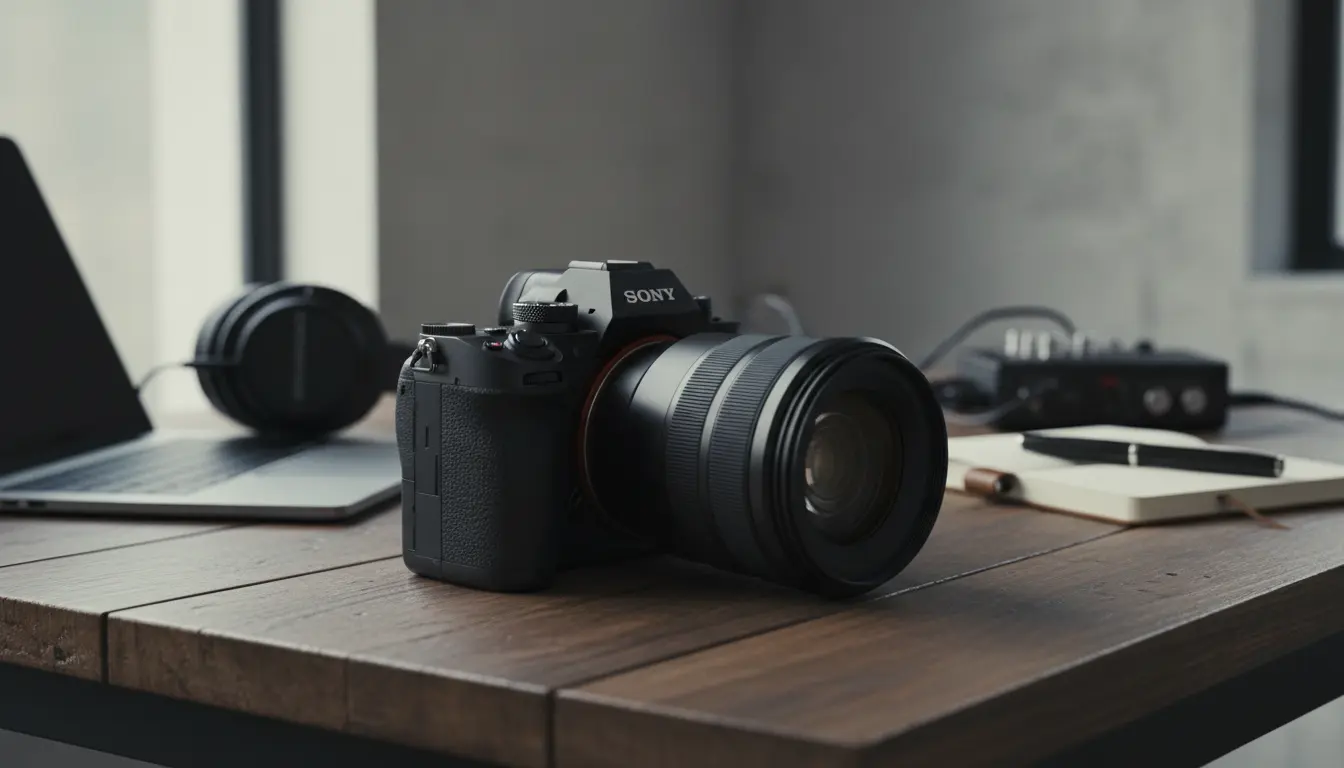
1. Sony FX3
The Sony FX3 is a compact cinema camera designed specifically with solo shooters in mind. It offers:
- Full‑frame sensor with excellent low‑light performance
- 10‑bit 4:2:2 internal recording and strong dynamic range
- S‑Cinetone and S‑Log3 for a cinematic look
- Phase‑detection autofocus with reliable face/eye tracking
- Compact body with multiple mounting points and active cooling
For documentary filmmakers, the FX3 combines true cinema‑grade image quality with the practical ergonomics of a mirrorless camera. You can shoot handheld all day, attach a small shotgun mic, and still remain lightweight and mobile.
2. Sony A7S III
The Sony A7S III shares many features with the FX3 but in a more traditional mirrorless form factor. It’s ideal for run‑and‑gun creators who also shoot stills or want a very flexible hybrid system.
Key strengths include:
- Exceptional high‑ISO performance for night and interior scenes
- Fast, accurate autofocus with eye tracking
- Internal 10‑bit recording with All‑Intra and Long‑GOP codecs
- Fully articulating screen for self‑shooting or tight spaces
The A7S III excels when you need a versatile camera that can handle everything from sit‑down interviews to fast, reactive street sequences.
3. Canon EOS R5 C
For filmmakers who prefer Canon’s color science, the EOS R5 C bridges the gap between a mirrorless camera and a cinema body.
Highlights:
- 8K recording options and oversampled 4K for crisp detail
- Canon Log profiles for flexible grading
- Dual‑purpose design that supports both still photography and cinema video
- Strong Dual Pixel autofocus with human tracking
The R5 C gives you high resolution and rich color, making it suitable for documentary projects that might also require high‑end stills or archival‑quality footage.
4. Panasonic Lumix GH6
The Panasonic GH6 is a Micro Four Thirds camera that appeals to filmmakers who prioritize internal recording options and robust video tools.
It offers:
- A wide range of internal codecs, including ProRes in some modes
- Strong IBIS for stable handheld footage
- V‑Log for professional color grading
- Compact lenses thanks to the Micro Four Thirds mount
For run‑and‑gun shooters, the GH6’s stabilization and extensive video toolset help maintain professional quality without requiring heavy rigs.
5. Blackmagic Pocket Cinema Camera 6K Series
The Blackmagic Pocket Cinema Camera 6K line targets filmmakers who value cinema‑style workflows and color grading above all else.
Key benefits:
- Super 35 sensor with cinematic depth of field
- Blackmagic RAW and ProRes options for robust post‑production
- High dynamic range and filmic color science
- Intuitive touch‑screen interface
While the body is slightly bulkier and autofocus is less advanced than some competitors, many documentary and short film directors appreciate the cinematic image and flexible RAW workflow.
Practical Tips for Choosing Your Run‑and‑Gun Camera
Define Your Shooting Style
Before investing in a camera, analyze how you typically shoot. Ask yourself:
- Do you work mostly handheld or use a tripod and gimbal?
- Are you often in low light, or mostly in daylight exteriors?
- Do you travel frequently and need a compact kit?
Your answers will guide whether you prioritize stabilization, low‑light performance, battery life, or body size.
Consider Lens Ecosystem
Lenses shape your visual style and affect how fast you can work. For run‑and‑gun films, many filmmakers rely on:
- A fast standard zoom (e.g., 24‑70mm equivalent)
- A wide‑angle zoom for tight interiors and establishing shots
- A fast prime for interviews or dramatic portraits
Check lens availability and price in the system you’re considering. A strong, affordable lens lineup will support you for years.
Plan for Audio and Accessories
Even the best camera is only one part of your kit. To get professional results, also plan for:
- An external microphone (shotgun or lavalier)
- Extra batteries and memory cards
- A compact shoulder bag or backpack
- A small LED light for quick fill or interviews
These accessories transform a good camera body into a complete documentary toolkit.
Recommended Amazon Product for Run‑and‑Gun Filmmakers
A widely recommended option for run‑and‑gun documentary and short film work, available on Amazon, is the Sony FX3 Full‑Frame Cinema Line Camera. It offers a powerful mix of:
- Compact form factor for handheld shooting
- Outstanding low‑light performance
- Professional codecs and log profiles
- Reliable autofocus and image stabilization
Paired with a versatile zoom lens and an on‑camera microphone, the FX3 provides a flexible, cinema‑grade solution for filmmakers who need to move fast and stay discreet while capturing real‑world stories.