
What Is the Software Development Life Cycle (SDLC)? Global Approaches Explained
The Software Development Life Cycle (SDLC) is a structured, repeatable process used to plan, design, build, test, deploy, and maintain software systems. Rather than writing code in an ad‑hoc way, development teams follow SDLC to reduce risk, control costs, and deliver higher quality products. Today, SDLC is not just a technical framework; it is a strategic approach that supports global collaboration, regulatory compliance, and fast‑changing business needs.
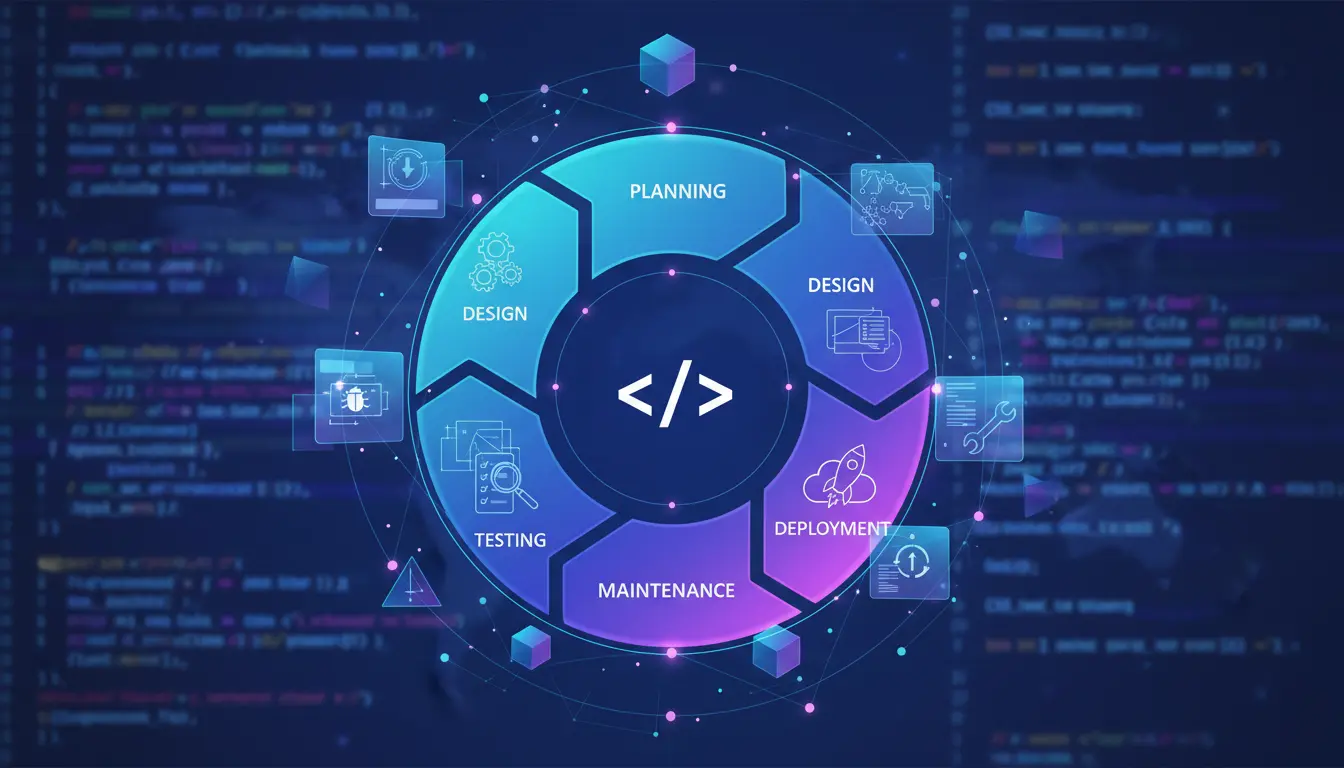
At its core, SDLC breaks a software project into clearly defined phases. Each phase has specific goals, deliverables, and stakeholders. By understanding these phases and how they are applied in different regions and cultures, organizations can align technical work with global standards and market expectations.
Key Phases of the SDLC
While each organization tailors its own process, the classic SDLC includes the following stages:


- Requirement Analysis
In this phase, business analysts, product owners, and stakeholders gather and document what the system should do. They identify functional and non‑functional requirements, regulatory constraints, and user expectations. Clear requirements are critical for distributed teams working across regions, where cultural and legal differences can significantly influence the final product. - System Design
Architects and senior developers convert requirements into a technical blueprint. This includes system architecture, technology stack selection, database design, integration points, and security models. In global projects, design decisions also consider data residency rules, latency between regions, and integration with local services such as payment gateways or identity providers.
Other
- Implementation (Development)
During this stage, developers write the actual code based on the agreed design. Code reviews, pair programming, and continuous integration pipelines are common practices. For globally distributed teams, code standards, shared repositories, and well‑defined branching strategies help maintain consistency and reduce integration issues. - Testing
Testing validates that the software meets requirements and is reliable, secure, and performant. Organizations use a mix of unit testing, integration testing, system testing, and user acceptance testing. When working in multiple countries, testing must also cover localization, time zones, languages, currencies, and varying security regulations such as GDPR in Europe or CCPA in California. - Deployment
The deployment phase moves the software into a production environment. Today, cloud platforms and container orchestration tools have made global rollout more manageable. Blue‑green deployments, canary releases, and feature flags allow teams to gradually expose functionality to different regions and minimize downtime and risk. - Maintenance and Support
After release, teams monitor, support, and enhance the system. Bug fixes, performance optimization, and new features are planned and prioritized. Globally distributed support centers, 24/7 monitoring, and incident response processes ensure that customers in different time zones receive a consistent level of service.
Global Approaches to SDLC Models
Different international organizations adopt SDLC models that reflect their culture, risk appetite, and regulatory environment. Although the fundamental phases remain similar, execution varies across regions.
- Waterfall: Traditional but Still Relevant
The Waterfall model is a linear approach in which each phase must be completed before the next begins. It is still used in highly regulated industries worldwide, such as aerospace, defense, and healthcare, where documentation, approvals, and traceability are essential. In many European and government projects, Waterfall or V‑Model variants are often mandated by standards and procurement rules. - Agile: The Global Default for Modern Teams
Agile methodologies like Scrum and Kanban dominate software development in North America, Europe, and many parts of Asia. Instead of planning everything upfront, Agile teams work in short iterations, deliver incremental value, and adapt to change quickly. This approach reduces time to market and fits well with globally distributed product teams that require frequent feedback loops and continuous collaboration. - DevOps: Integrating Development and Operations
DevOps is not a separate SDLC model but an evolution that integrates development, operations, and quality assurance. It emphasizes automation, continuous integration and delivery (CI/CD), infrastructure as code, and real‑time monitoring. Global companies adopt DevOps to maintain consistent environments across multiple regions and to release features simultaneously around the world. - Hybrid and Scaled Approaches
Large multinational organizations often choose hybrid approaches that blend Waterfall governance with Agile delivery. Frameworks like SAFe (Scaled Agile Framework) or LeSS are used to align dozens of teams across multiple countries. For example, high‑level requirements and regulatory documentation may follow a staged process, while individual Agile teams iterate quickly within those constraints.
Global Considerations in Modern SDLC
As software products target international markets, SDLC must be adapted to global realities:
- Regulatory Compliance
Different countries have different regulations regarding data privacy, encryption, accessibility, and industry‑specific standards. Modern SDLC processes incorporate compliance checks from the requirement phase onward, ensuring that applications are legally deployable in every target region. - Localization and Internationalization
From early design, global SDLC must consider multiple languages, cultural formats (dates, numbers, currencies), accessibility guidelines, and right‑to‑left scripts. Testing strategies must validate that localized versions behave correctly across all markets. - Distributed Teams and Collaboration
Global development teams operate across time zones, languages, and cultures. Effective SDLC integrates collaboration tools, clear documentation, shared coding standards, and asynchronous communication patterns. This avoids misunderstandings and keeps projects aligned. - Security by Design
With cyber threats crossing borders, security is now built into every SDLC phase. Threat modeling, secure coding guidelines, automated security scans, and penetration testing are integrated into pipelines. Compliance with international standards like ISO 27001 or SOC 2 is often a prerequisite for doing business globally.
Benefits of a Structured SDLC in a Global Context
When organizations implement a robust SDLC aligned with global best practices, they gain several advantages:
- Predictable Delivery: Clear phases, roles, and checkpoints reduce uncertainty and help manage international stakeholder expectations.
- Higher Quality Software: Continuous testing and code quality practices improve reliability and reduce production incidents.
- Lower Overall Costs: Early detection of defects and risks is much cheaper than fixing issues after deployment in multiple regions.
- Better Risk Management: Legal, security, and operational risks are addressed proactively, preventing costly compliance violations.
- Scalability and Reusability: Standardized processes and components make it easier to expand to new markets and integrate with global partners.
Choosing the Right SDLC Approach for Your Organization
There is no single “universal” SDLC model that fits every organization. The optimal approach depends on:
- Industry and regulatory complexity
- Size and distribution of the development organization
- Risk tolerance and release frequency
- Customer expectations and competitive pressure
Many companies adopt a flexible mindset: they maintain a core SDLC framework but allow teams to adapt methods and tools as long as they satisfy governance, quality, and compliance requirements. In a global environment, this balance between structure and agility is what enables sustainable, long‑term success.